


Feature by Nathan Cho
Photos by Colson Struss
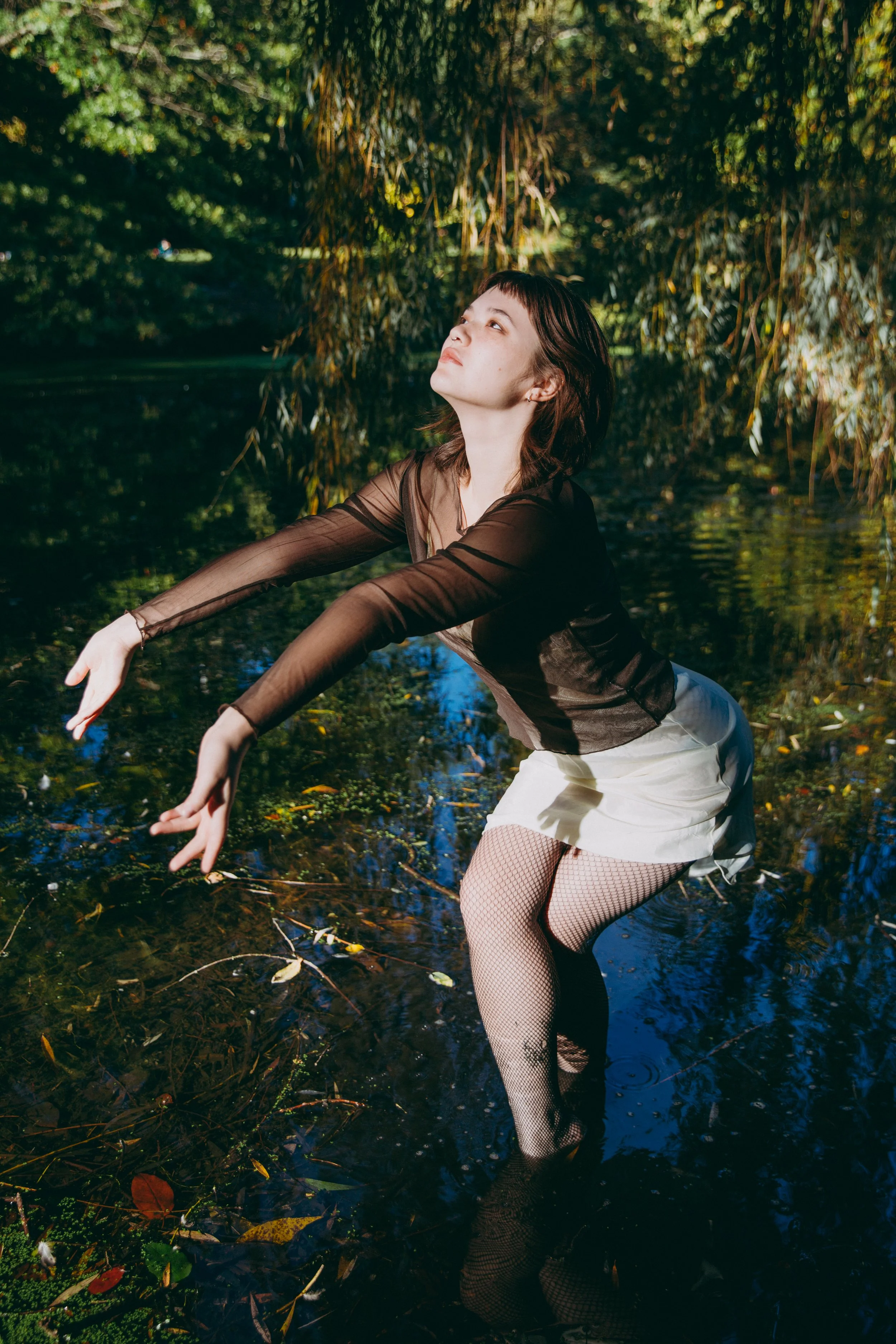
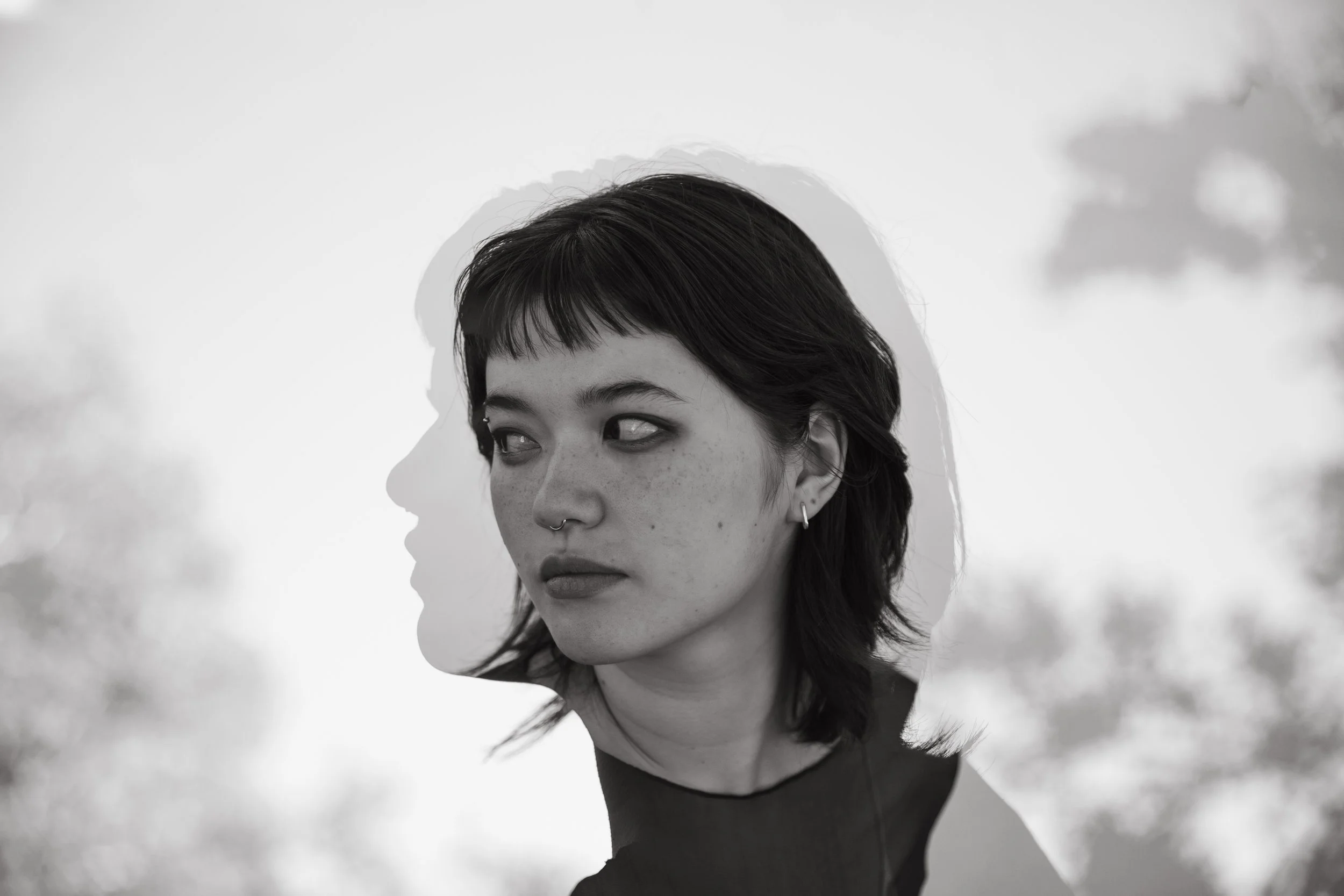
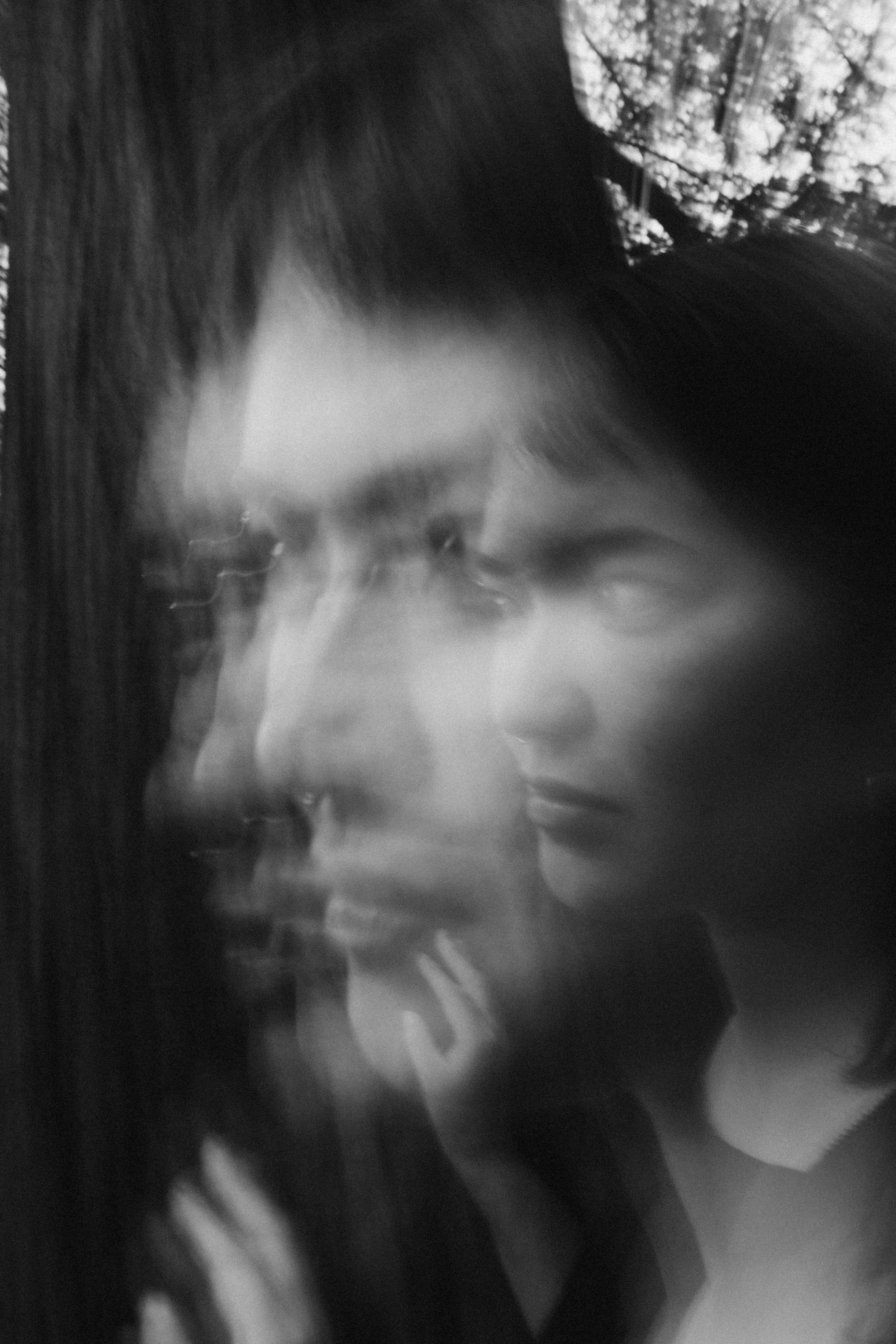
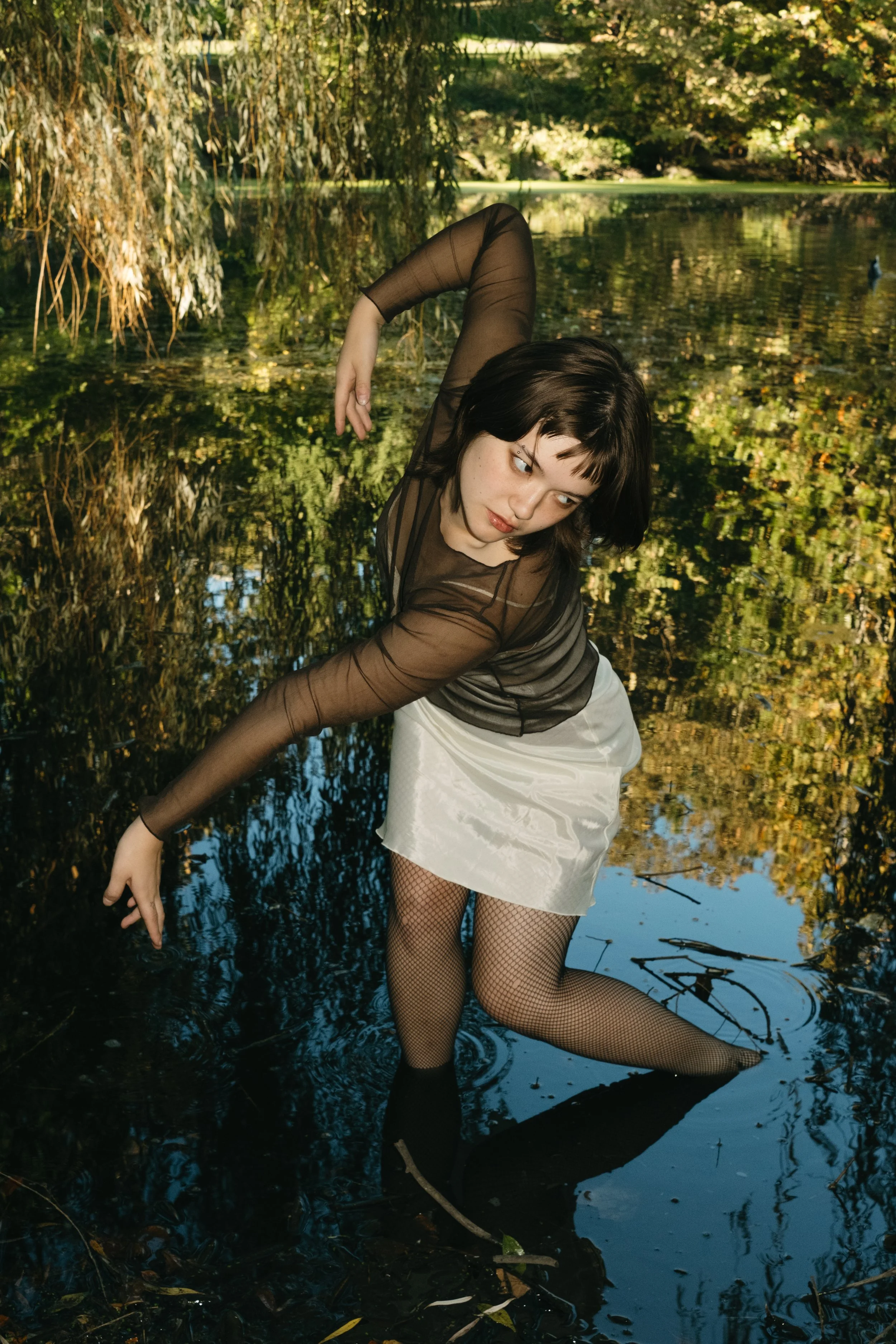
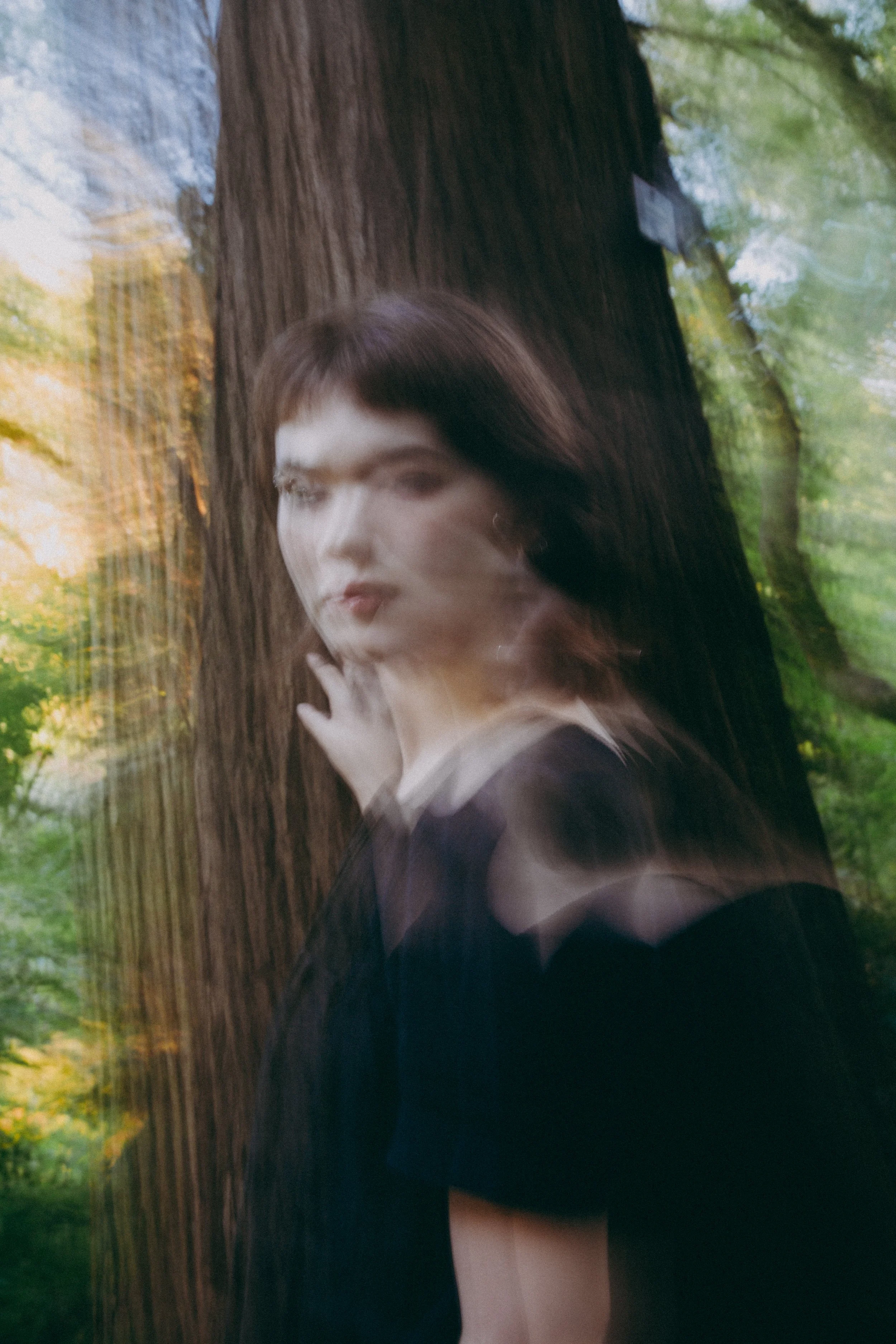
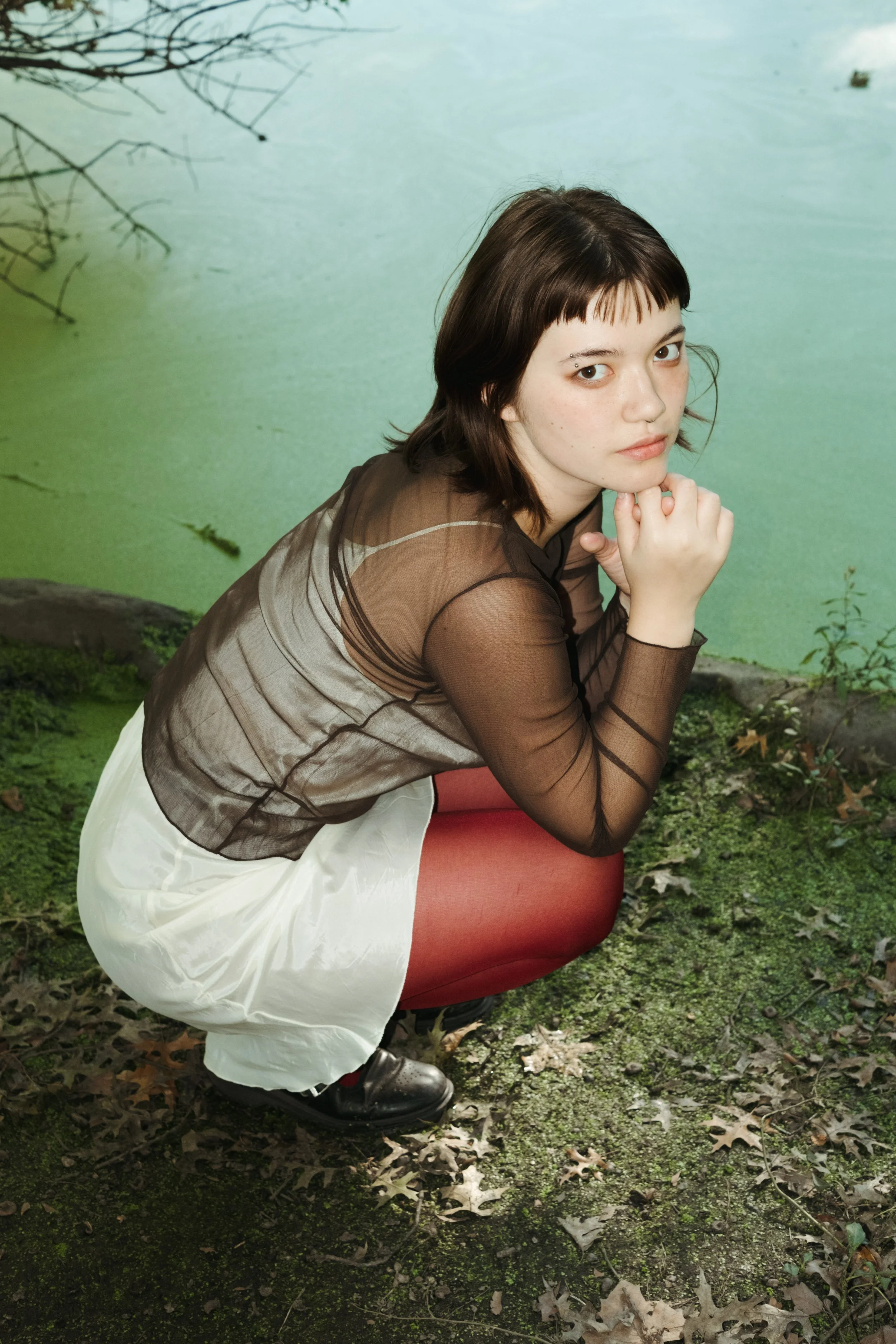
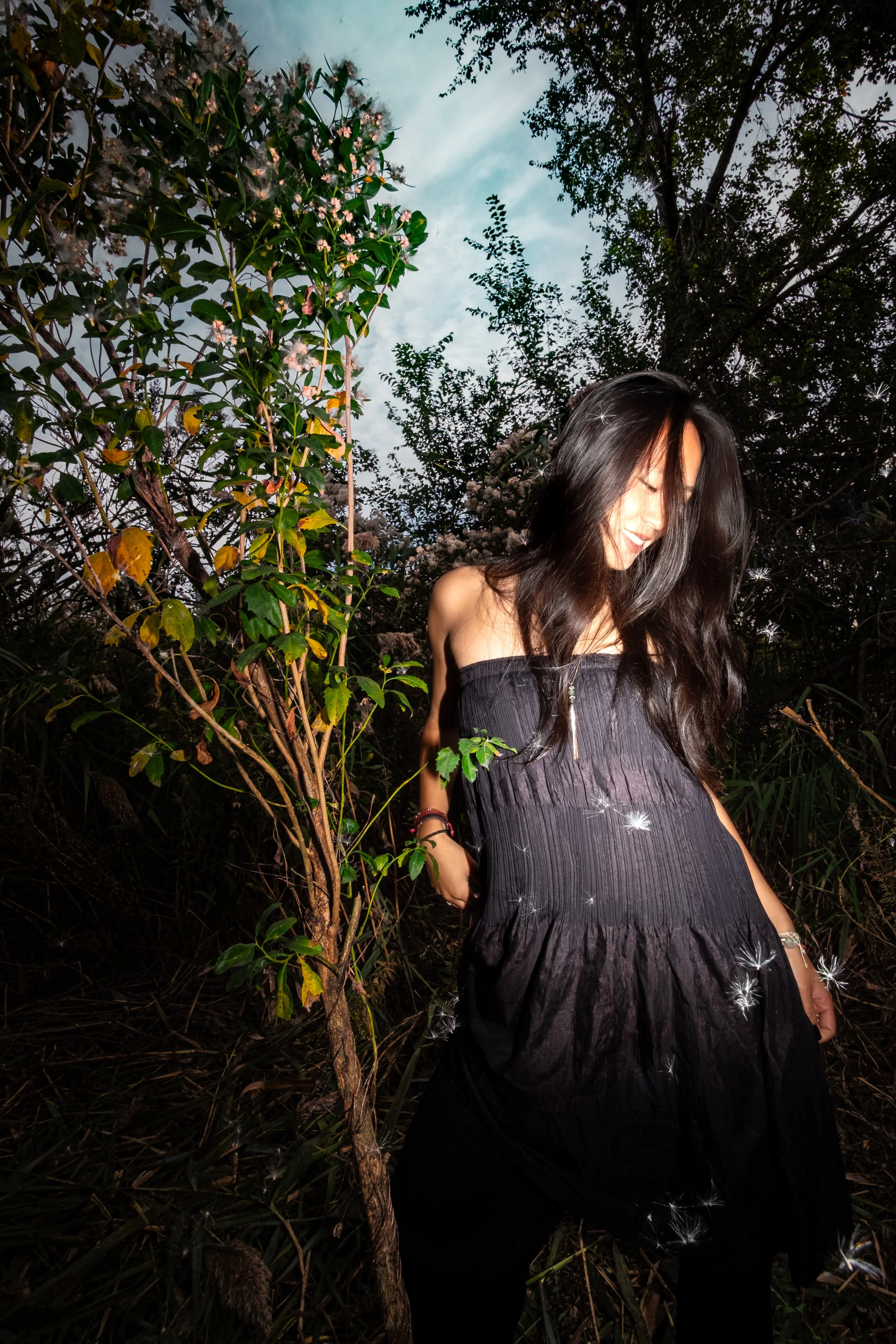
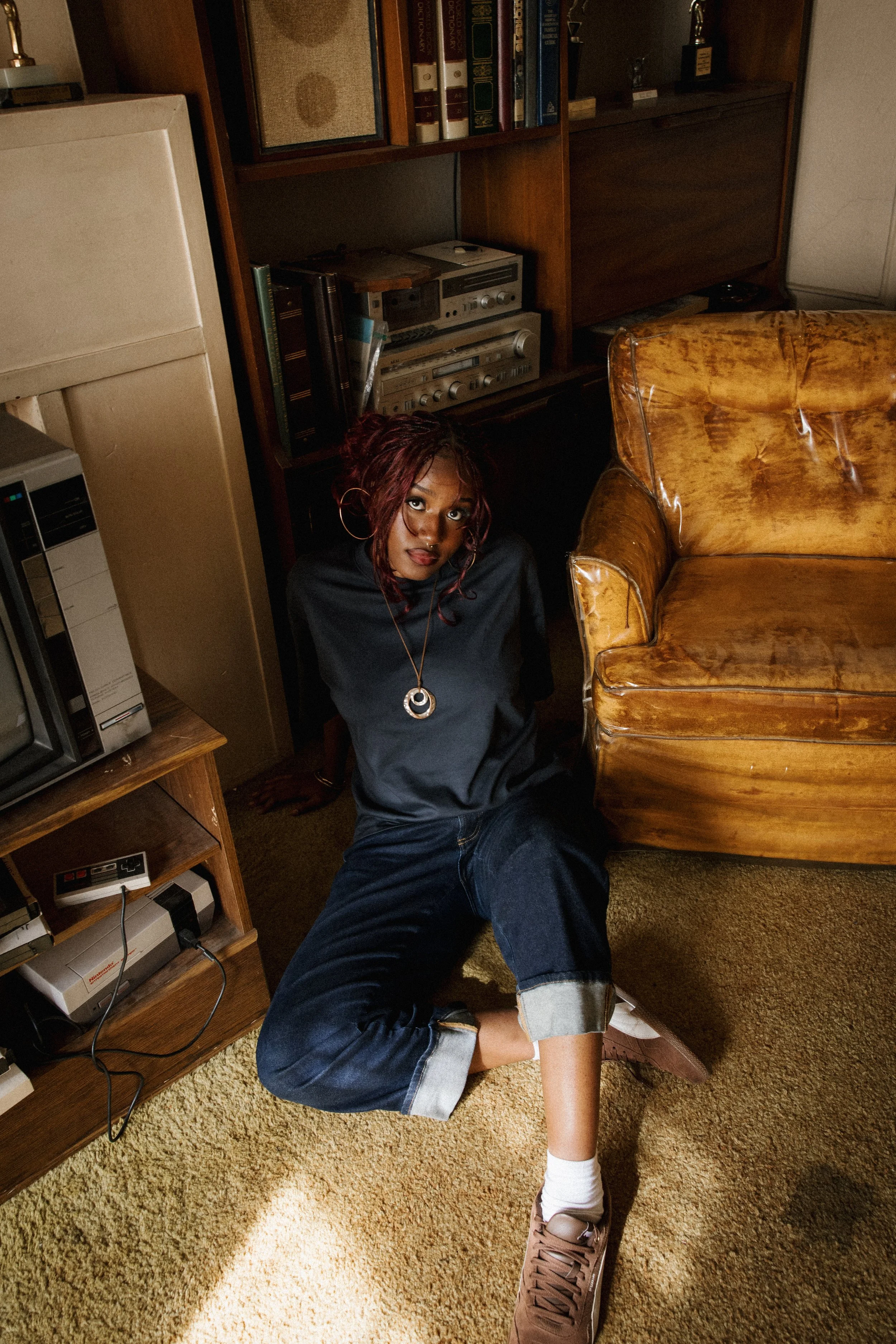
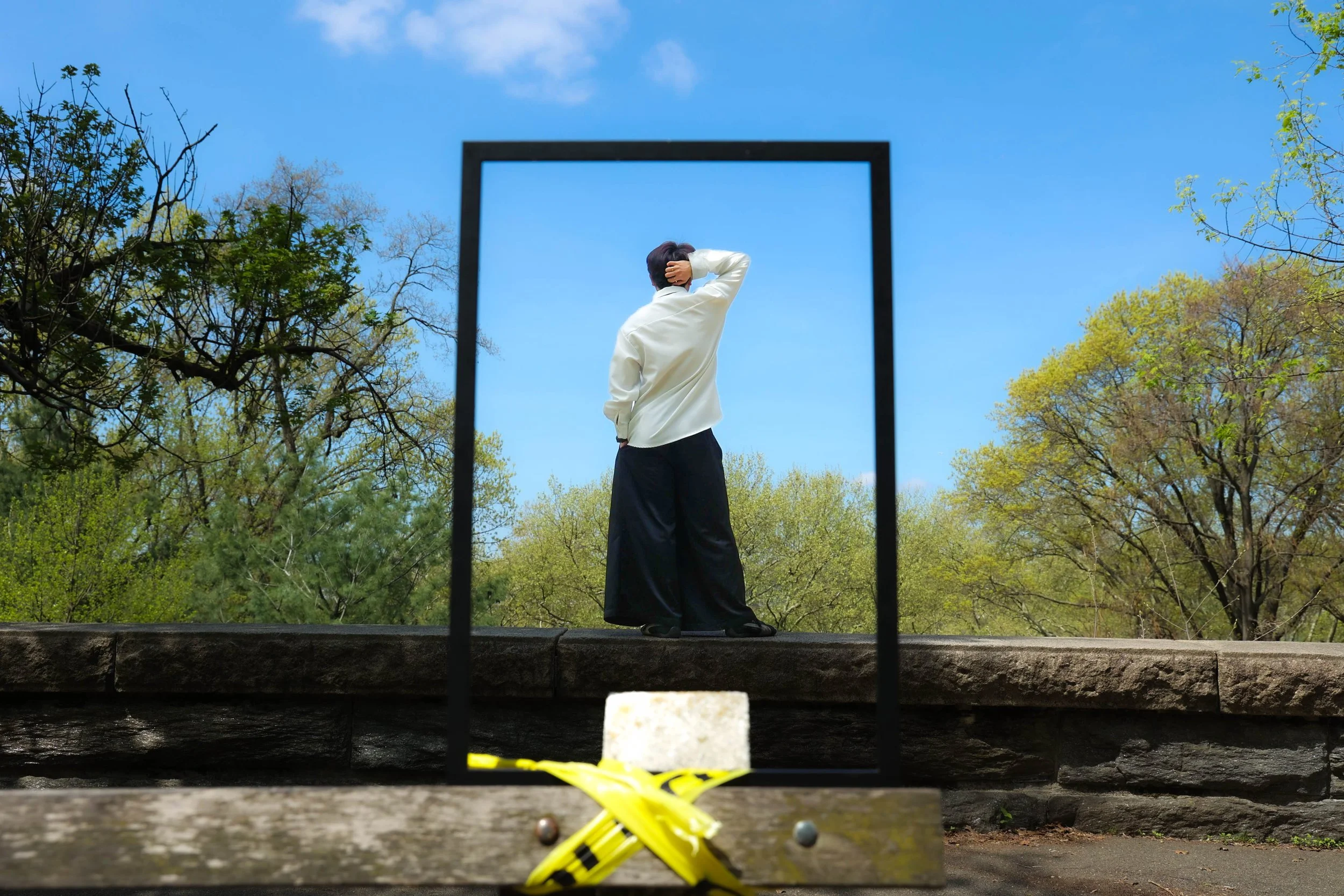
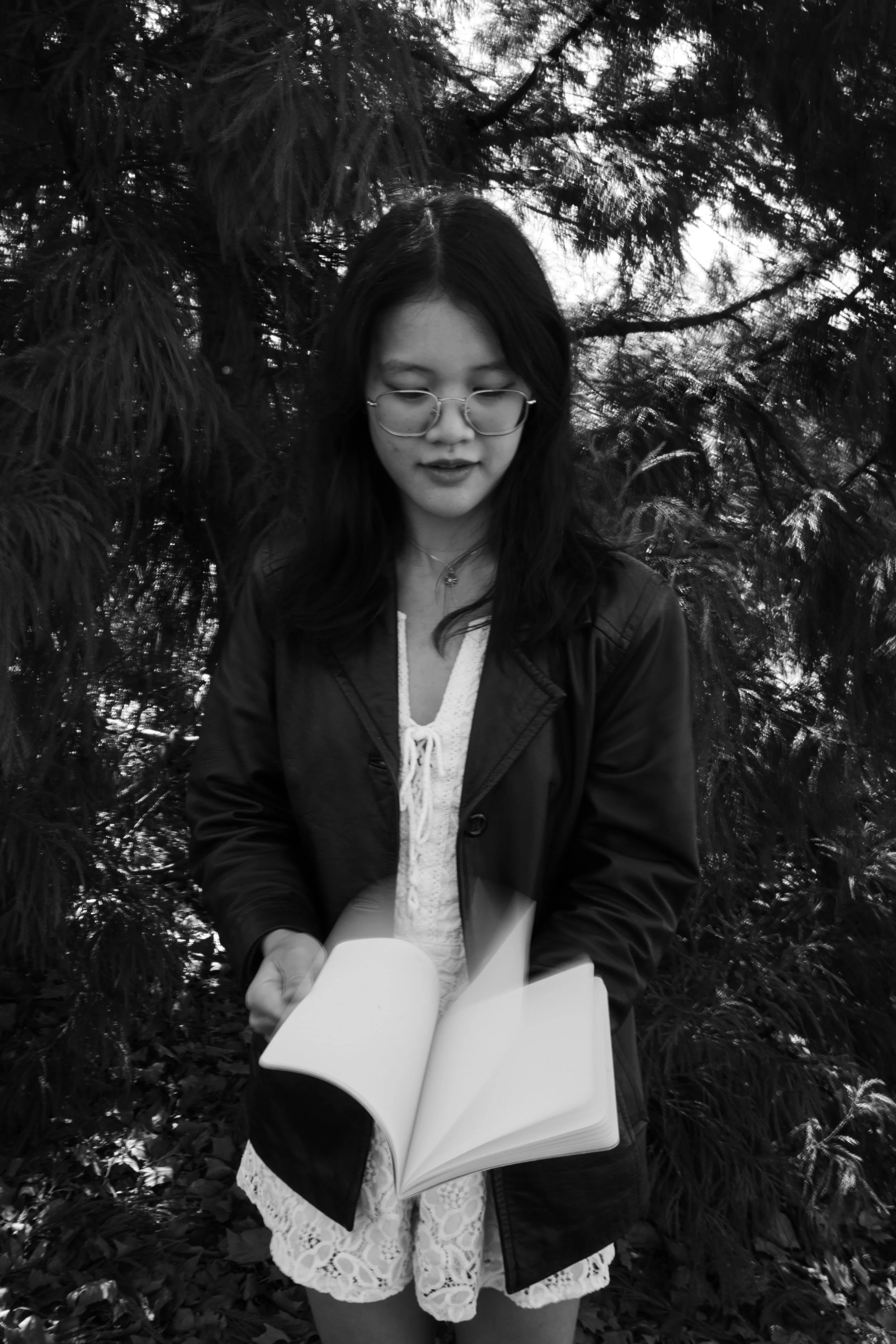
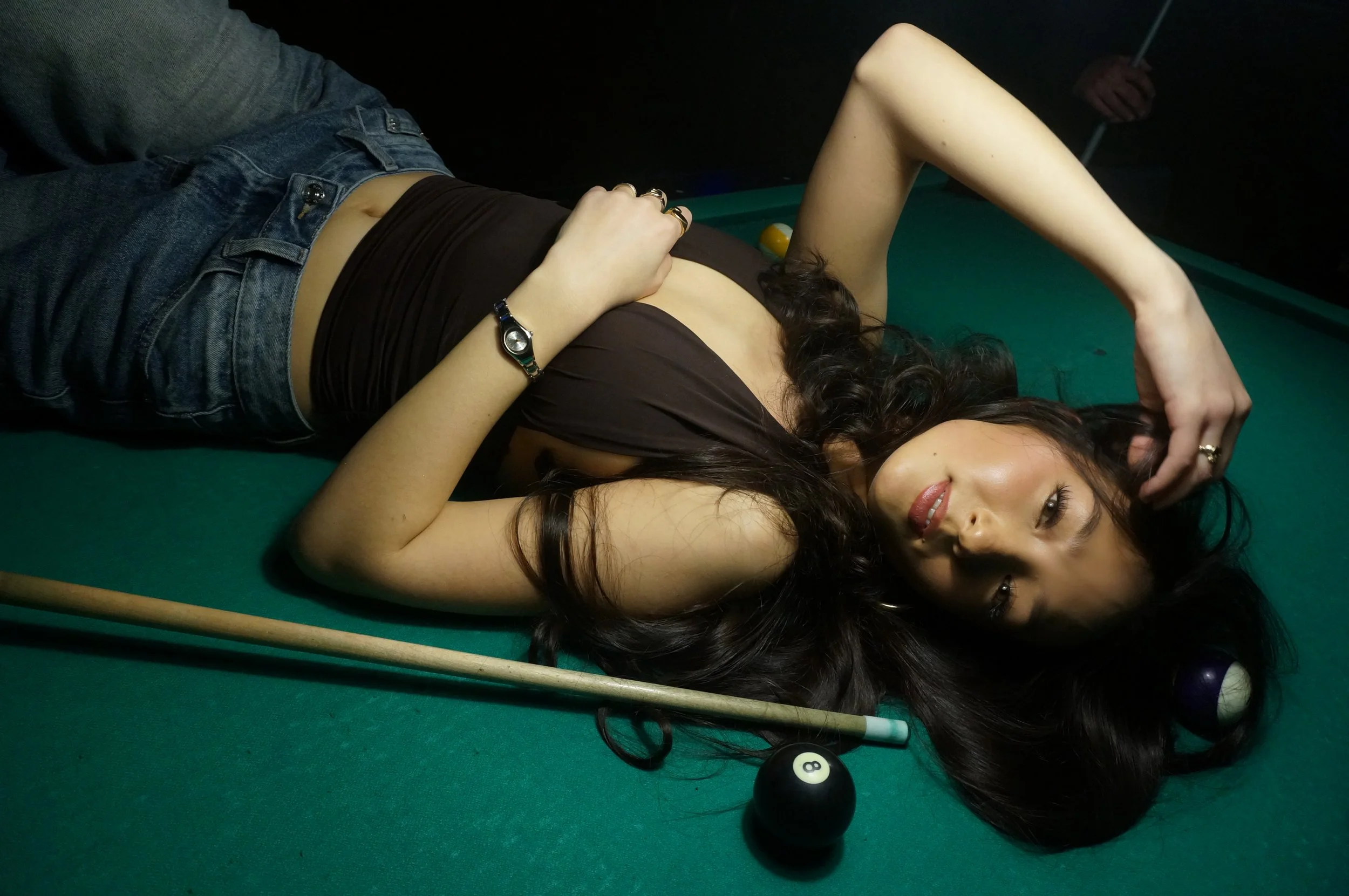
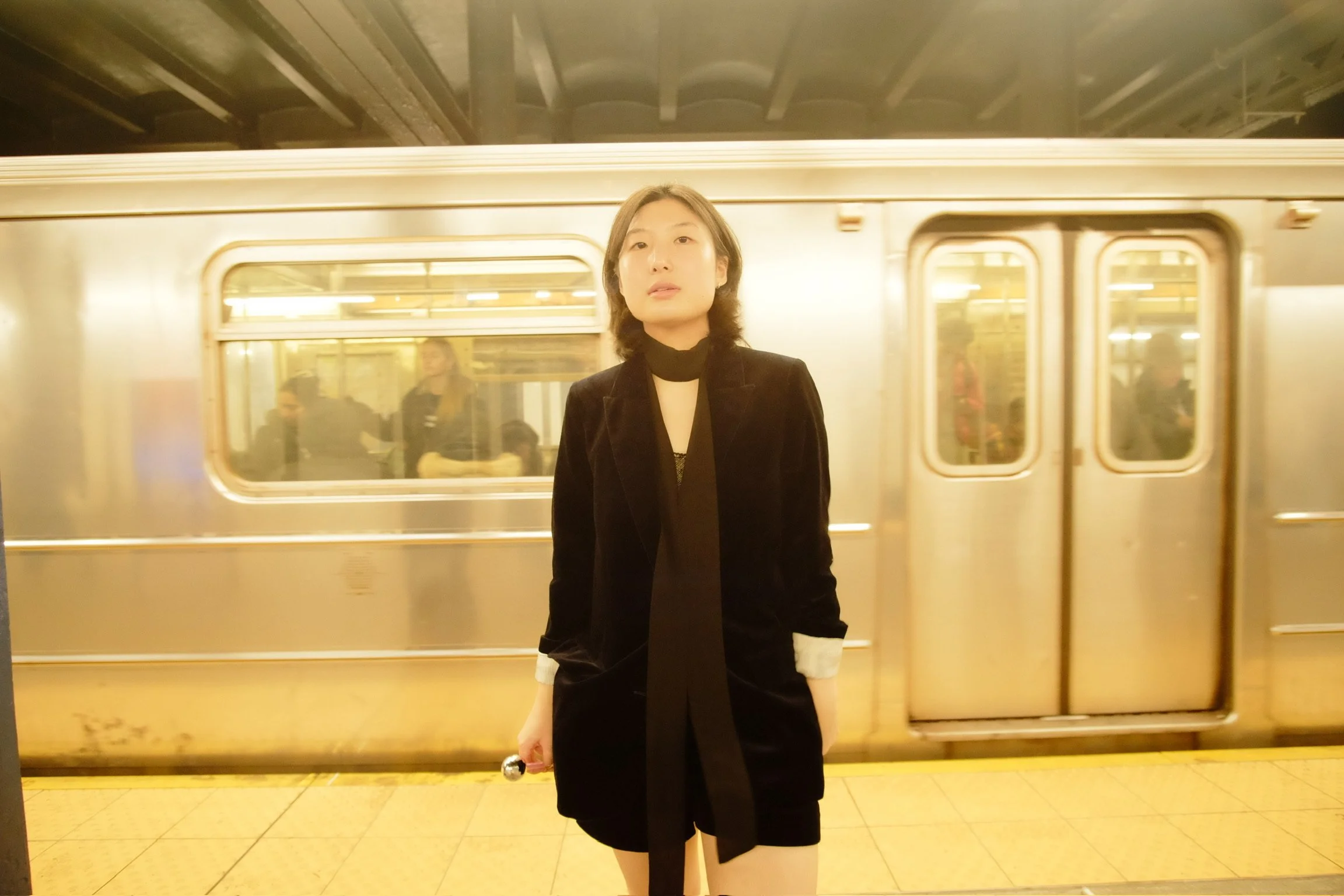
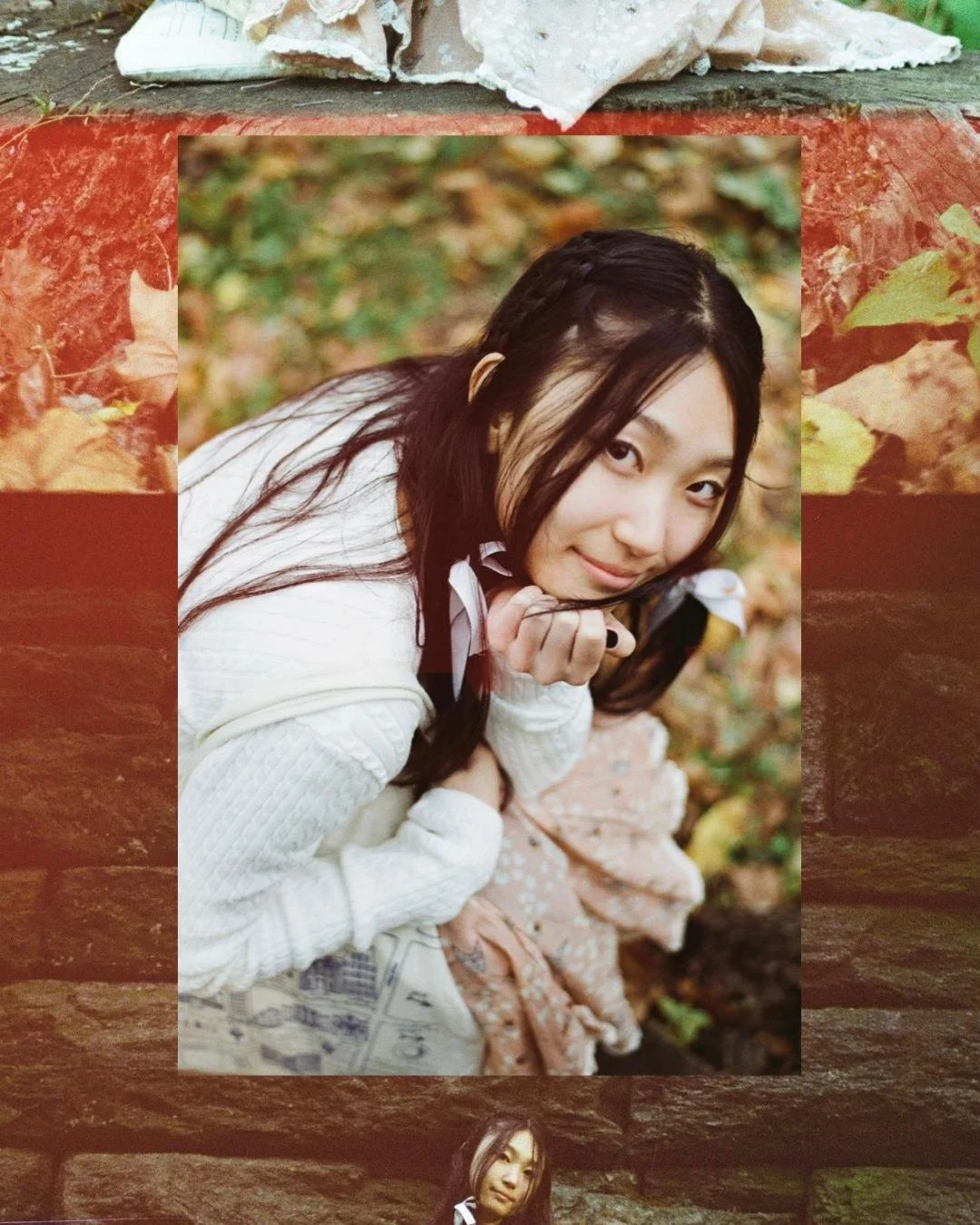
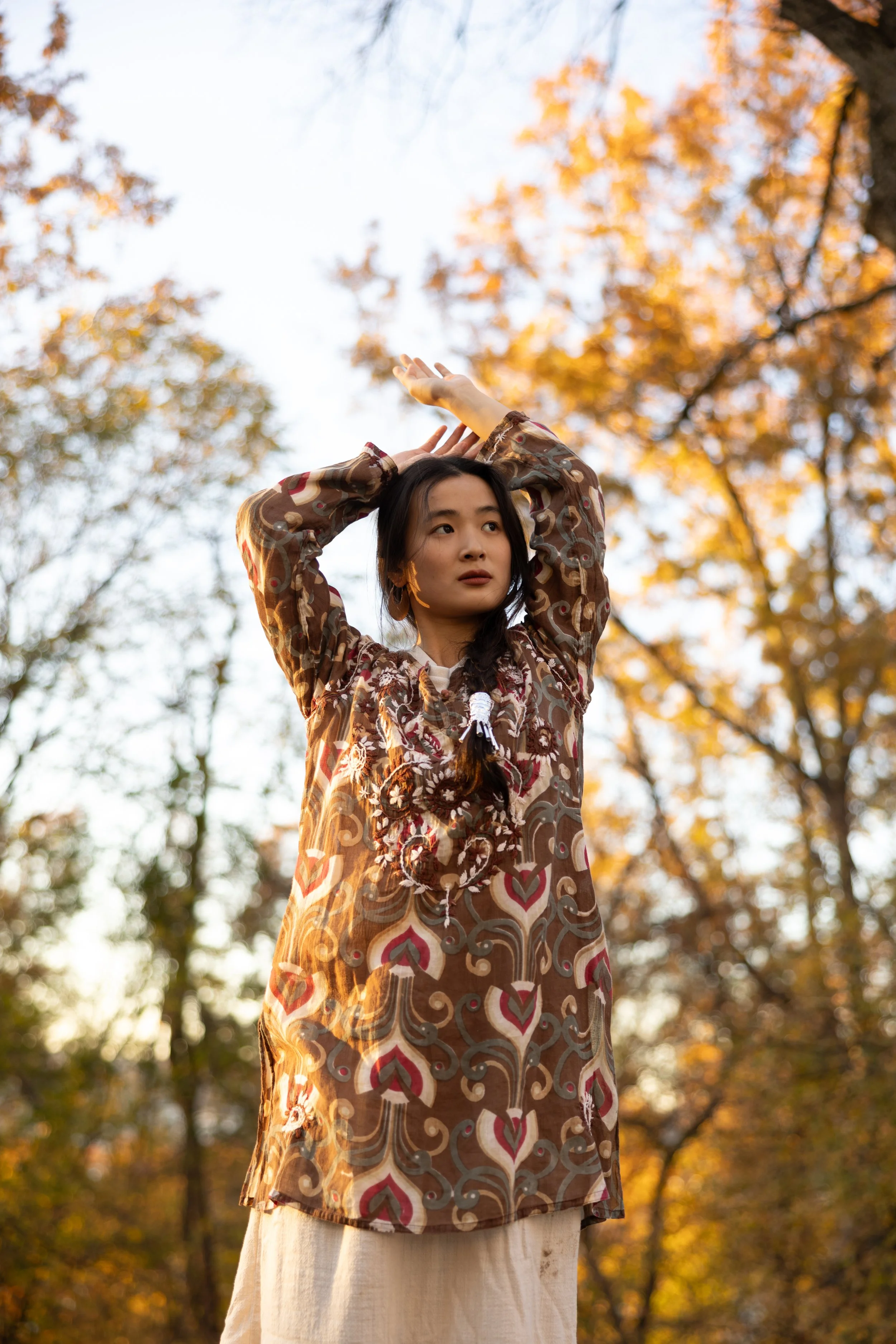
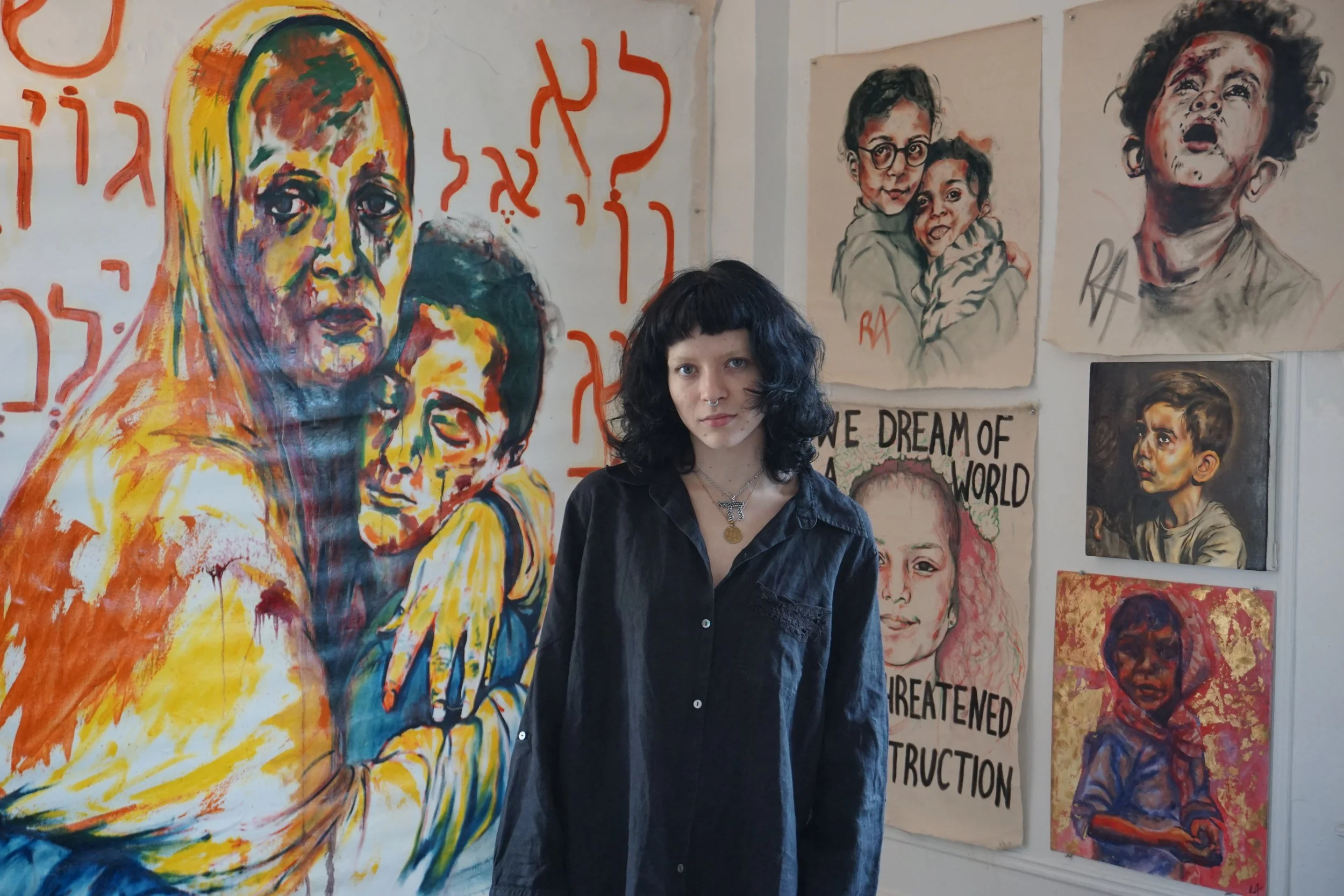
Lynn Niu Wilcox (she/any pronouns) is a senior at Barnard majoring in Dance and English with a Creative Writing Concentration. Perhaps obviously, she is a dancer and poet, and she most recently served as an Artist-in-residence at the Movement lab for the 2025-26 school year. Born in Minnesota, she has long searched for the answer of home, a question she volleys back and forth between her dance and poetry.
During our interview, Lynn found herself forgetting a word. She sputtered out approximations, but she ended up defeated, unable to conjure up one that truly fit. We moved on, and I didn’t think much of it after we departed. Then, at 10:30 PM my phone buzzed awake, and, in all caps, EPHEMERAL flashed across my screen.
Lynn chose a bench for us to sit in Morningside Park. To our left, a baseball game was dying out, shouts pitched into the air. As day turned to night and the air went from warm to cold, Lynn told me about both her dance and poetry. Whether in improvisational choreography or the liminal drive through the night, the spontaneous and, yes, ephemeral, is of chief importance. It is this moment, singular, that Lynn carves into. It is the question she attempts to answer, whittling it to the precise point, the space of a single word: EPHEMERAL.
Lynn’s relationship with dance goes back much further than university. Her own mother was a dancer, and was the person who first introduced Lynn to the artform. Though, now, her practice differs much from that of her childhood. Lynn started out her formal training in traditional Chinese and Indian dance forms. At this stage, dance wasn’t necessarily known to her as her “calling” just yet. Dance as bonafide artistic practice truly came to Lynn in her second year at Columbia University where she started investigating modern and contemporary styles. Here, she got the opportunity to work with a postmodern choreographer, beginning to reformulate her dance training against what became comforting and challenging within the the limits of her body. As she pursued these new forms, she identified a specific shift into a Western pedagogy that she both problematizes and accepts. It is within this framework that Lynn really found a passion for dance. Though her dance practice has moved away from the traditionally Indian and Chinese styles of her youth, she still sees those experiences as essential movement vocabularies that supplement the “kinesthetic context” of her body.
Lynn’s writing follows a similar evolution. It was also a passion she stumbled upon very young. It was a place to channel and materialize her imagination. As she began to define her dance practice in her own terms, her passion for writing reawakened in step. While she understands dance as a mode of expression, Lynn sees her writing as a form of communication. This is abundantly clear when reading her poetry where she is constantly negotiating and reframing relationships between the “I” and the “You.” The abstraction of poetry allows Lynn to metabolize the events of the everyday and the mundanity of daily life. These ideas and events break down and reconfigure in Lynn’s mind. She describes it as a constant humming in the background, always observing, always collecting, and always piecing together.
Besides her creative writing, Lynn is also an avid writer and enjoyer of dance writing, a specific genre of writing centered around the description and criticism of dance, performance, and movement. Here, her writing and dance practices intertwine. In the dance world, Lynn has been able to find a community of writers with which she can get into skin-to-skin contact with, both literally in dance but also figuratively in writing (something she found difficult to find in a larger literary community).
This community is something Lynn leans on heavily for her works. Lynn recently served as a Barnard Movement Lab Artist-in-Residence where, in collaboration with the other artists-in-residence, she created, organized, and put on a creative performance showcasing her choreography and dance. Lynn describes the other artists as indispensable to the creation of her work. From providing technical support with lights and production to artistic feedback and inspiration, Lynn’s reliance on her community is evident. She even names them (Riley Gabriel, Eliza Voorhees, Ty Nagvajara, Jodi Melnick, Daniella Schmody, etc.), finding it necessary to give them space and explicit recognition in this interview. She treasured her time as an artist-in-residence because of the amount of time she got to work on a single project. It was an important space for her to grow, especially because she initially found it difficult to be respected as a student artist. The space felt hampered by many parameters, and she experienced self-doubt as a result of her age and inexperience in technical production. Through this residency, she gained confidence in her ideas and was able to dedicate time and energy to a structured creative research process.
Lynn’s central question throughout her residency at the Movement Lab was “How can one fill the gaps of things forgotten in old homelands, physical or abstract?” Her answer is the body. The body, she finds, is the most constant homeland there is. As a result of lifelong feelings of alienation, she has always searched for a place amidst disorientation in the conception of place and the sense of home. To ground herself, Lynn taps into what she calls her “somatic memories”. For her, they are the truest. In the shifting sands and geographies of home, true reconciliation isn’t possible. Rather than drown in the uncertainty, Lynn finds a home in her own body as it experiences these changes.
As Lynn looks forward, she does so with inspiration. Her friends constantly push her in her craft, and she specifically cites them as helping her return to writing as a passion, especially in the wake of spending so much formal time developing her dance practice. She is currently working on two projects: one poetry and one choreography. This will culminate in a show for CoLAB as a result of her Choreography Residency.
In both Lynn’s dance and poetry, more questions are asked than answered. But, oftentimes, the answers are not needed. They are asked for the sake of expansion, of opening her and our minds to new possibilities and ideas. They are improvised, and they are relational. They are, in Lynn’s words, ephemeral. Watch as they rise and dissipate into the air. Watch what they leave behind. Watch what they change.