





Feature by Kayly Nguyen
Photos by Maggie Zhang
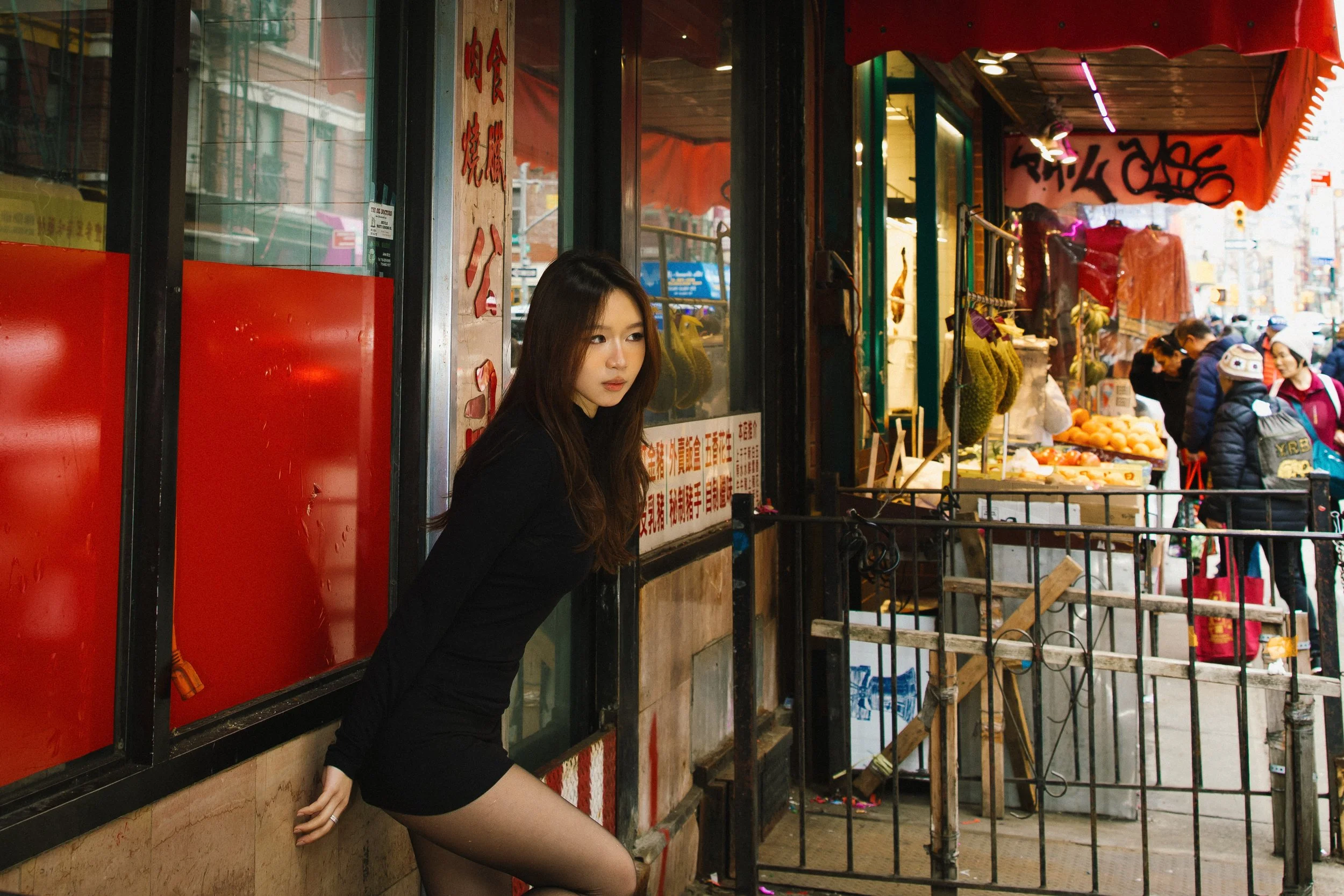
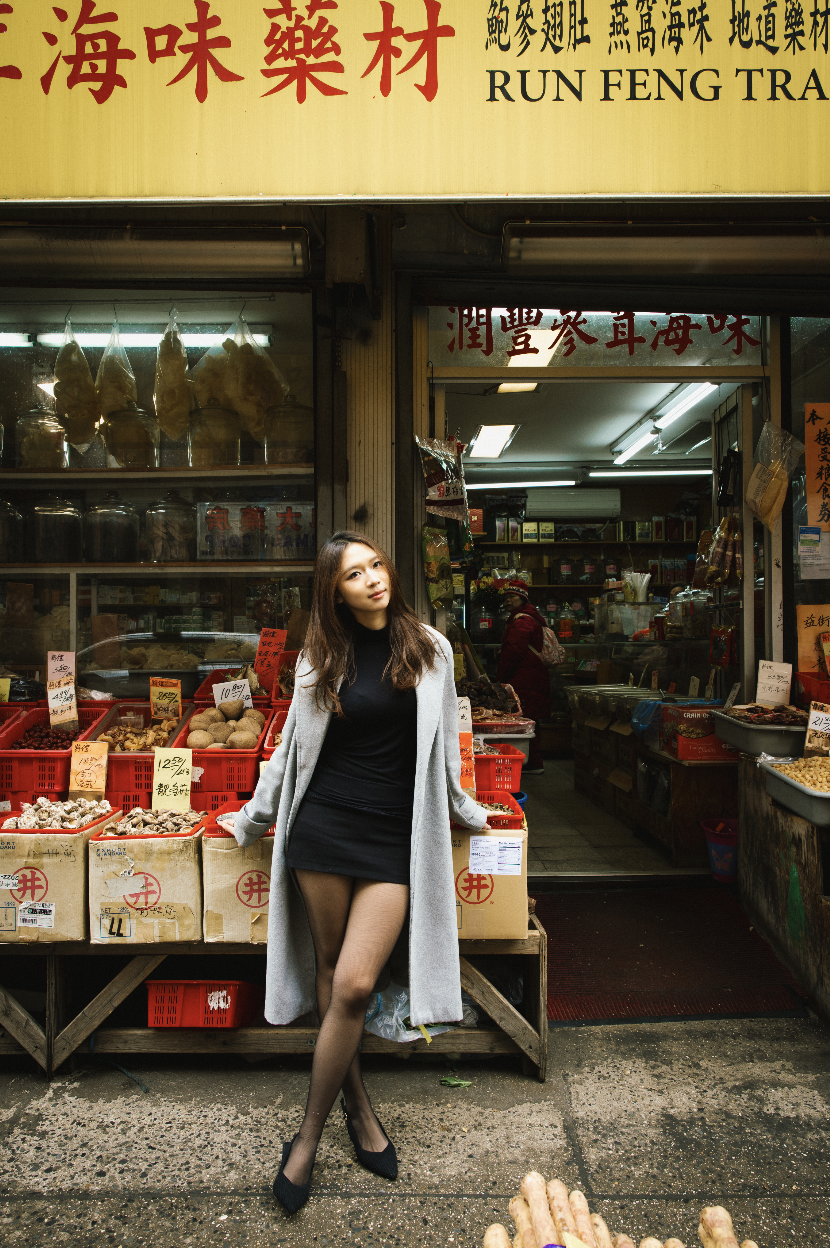
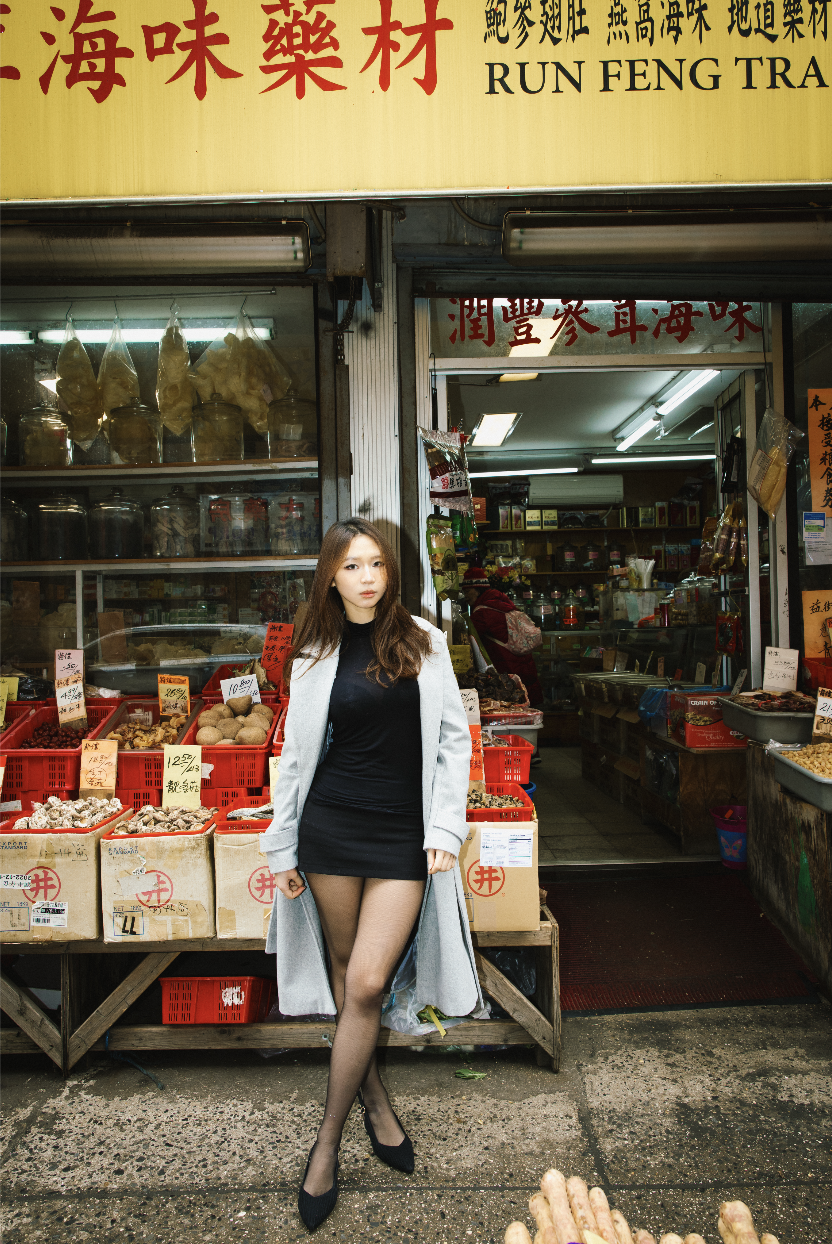
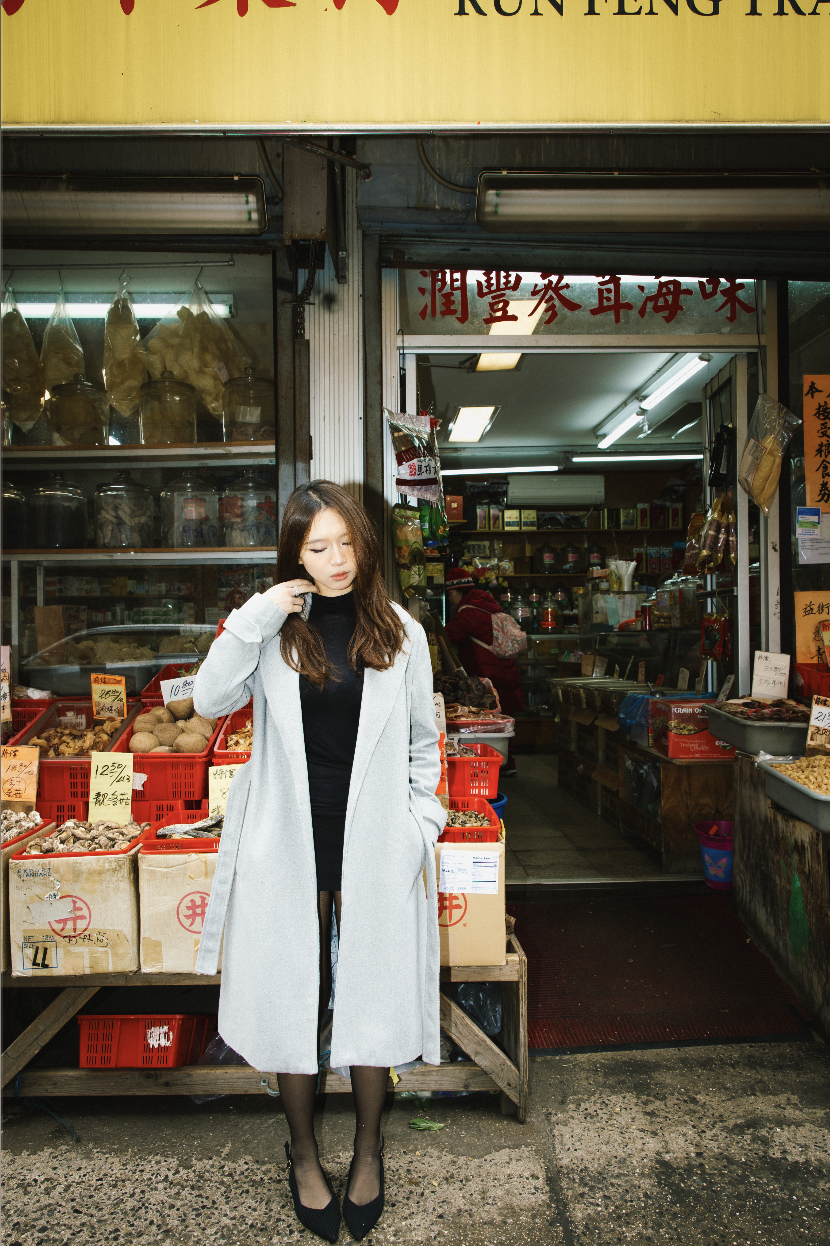
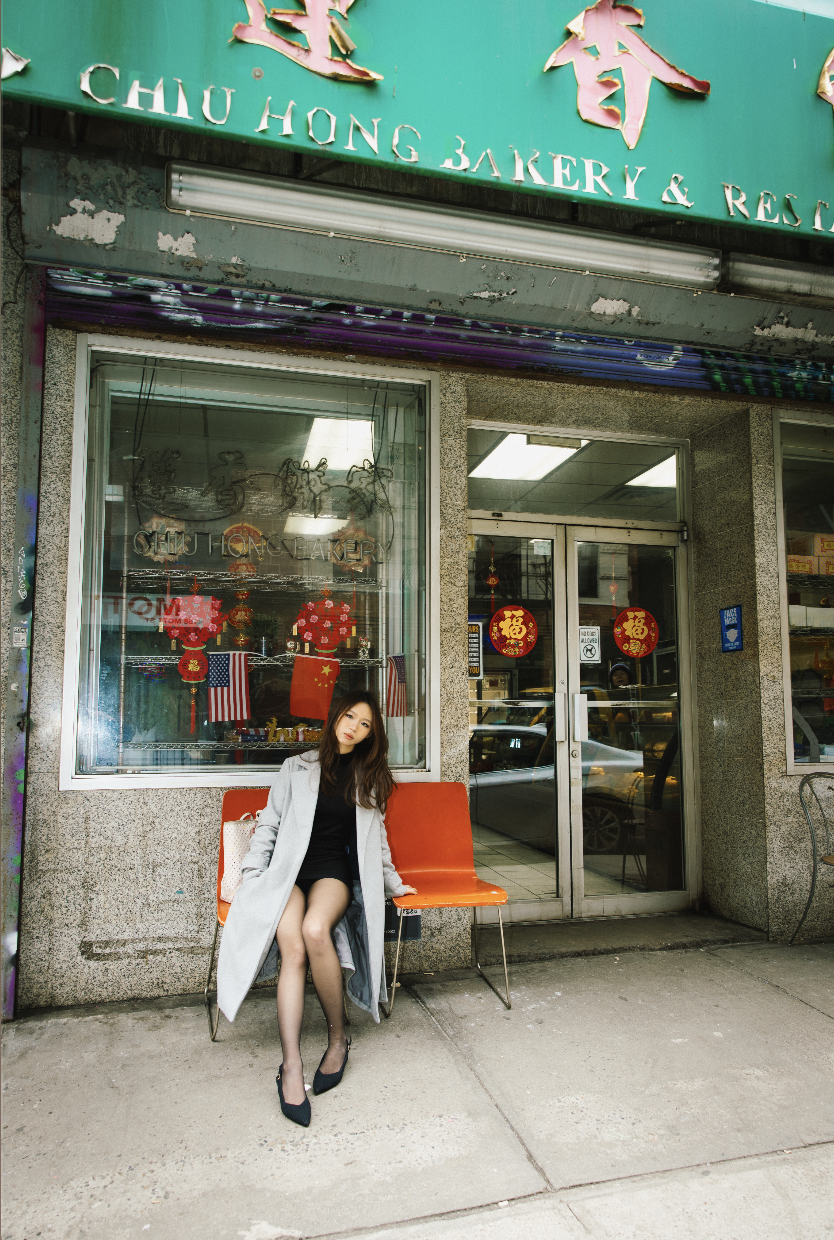
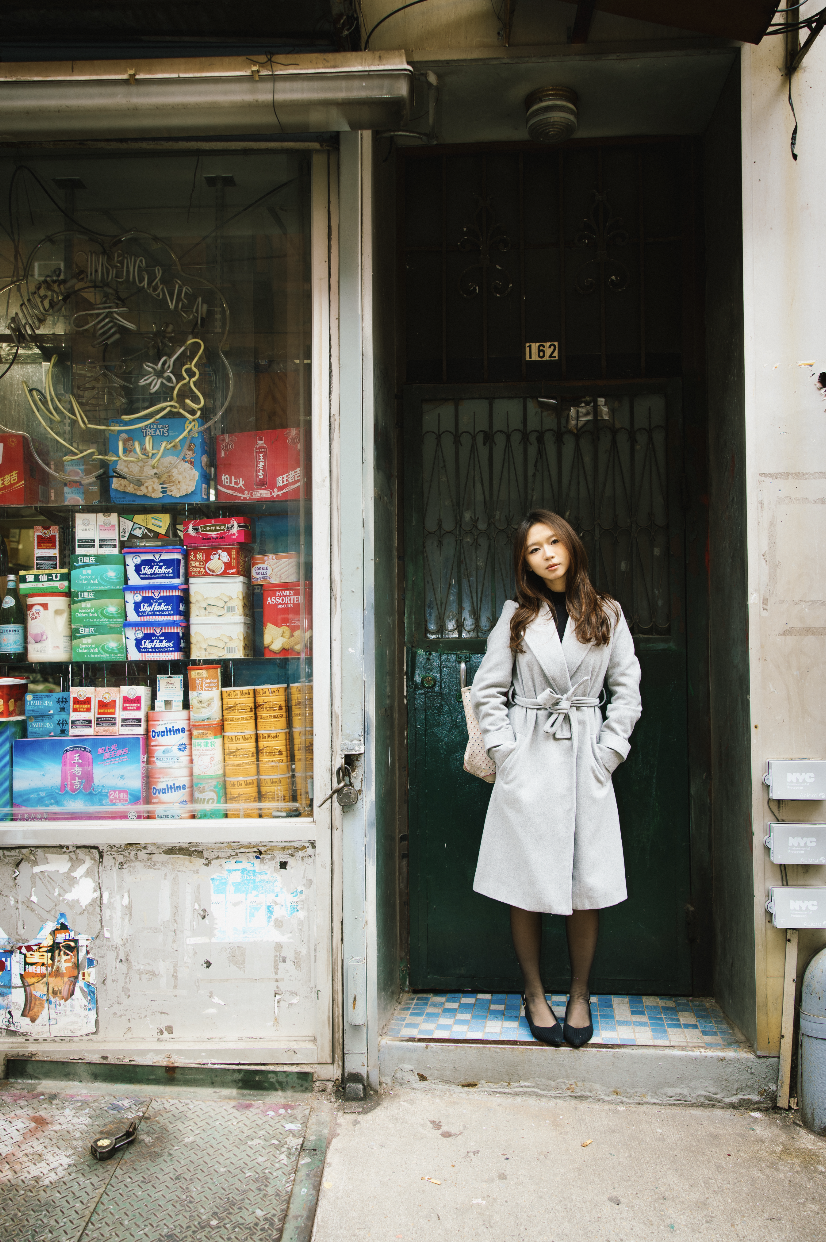
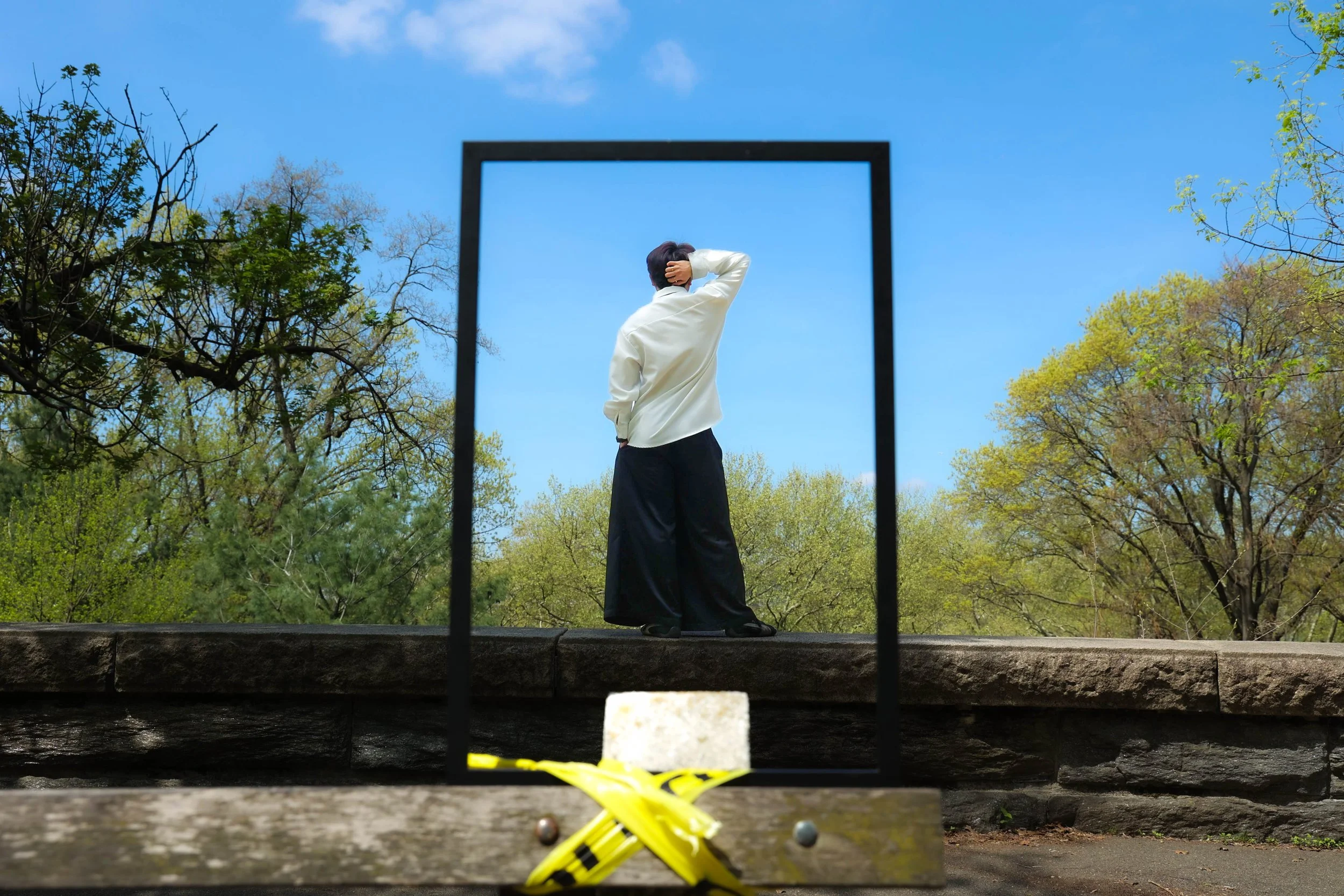
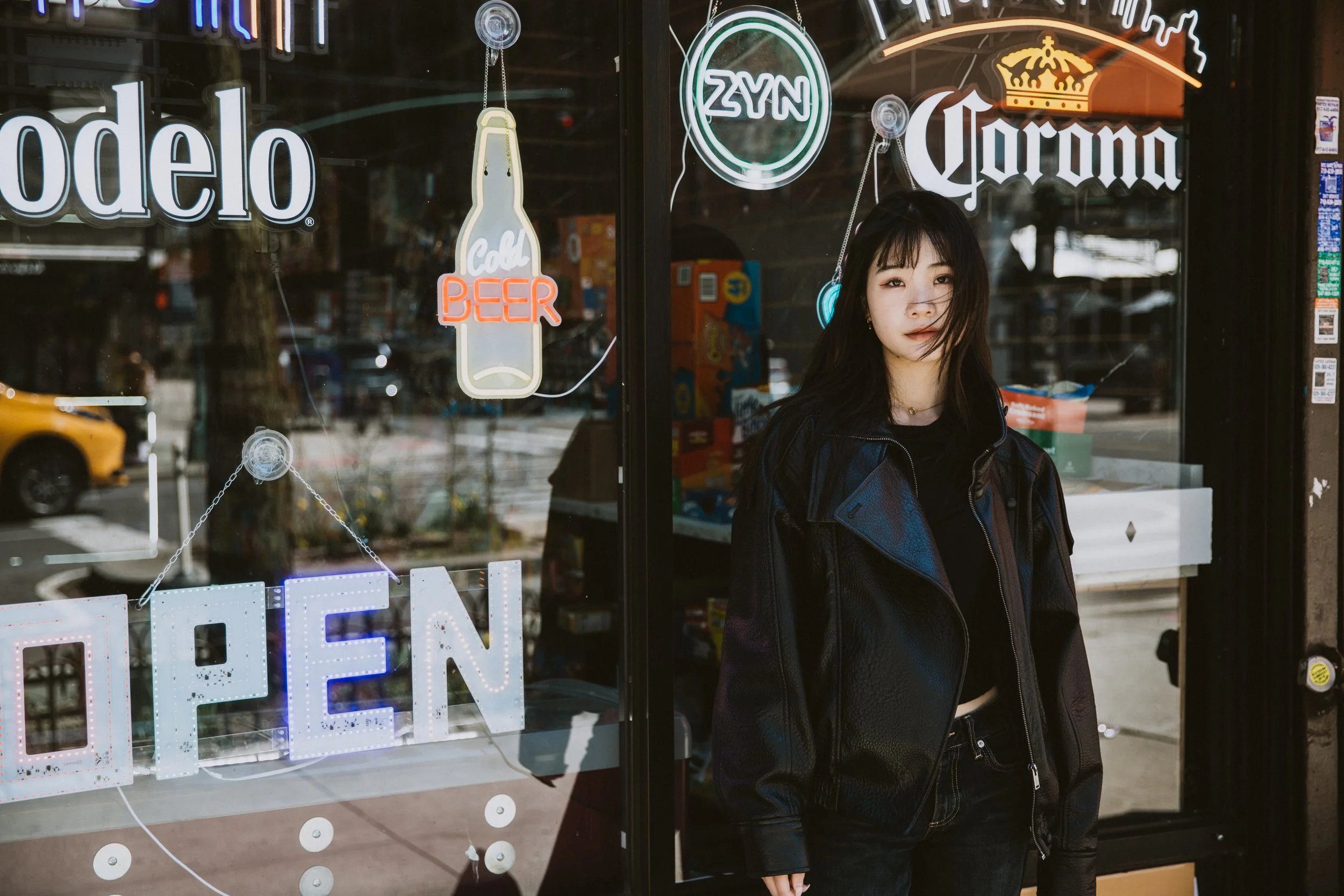
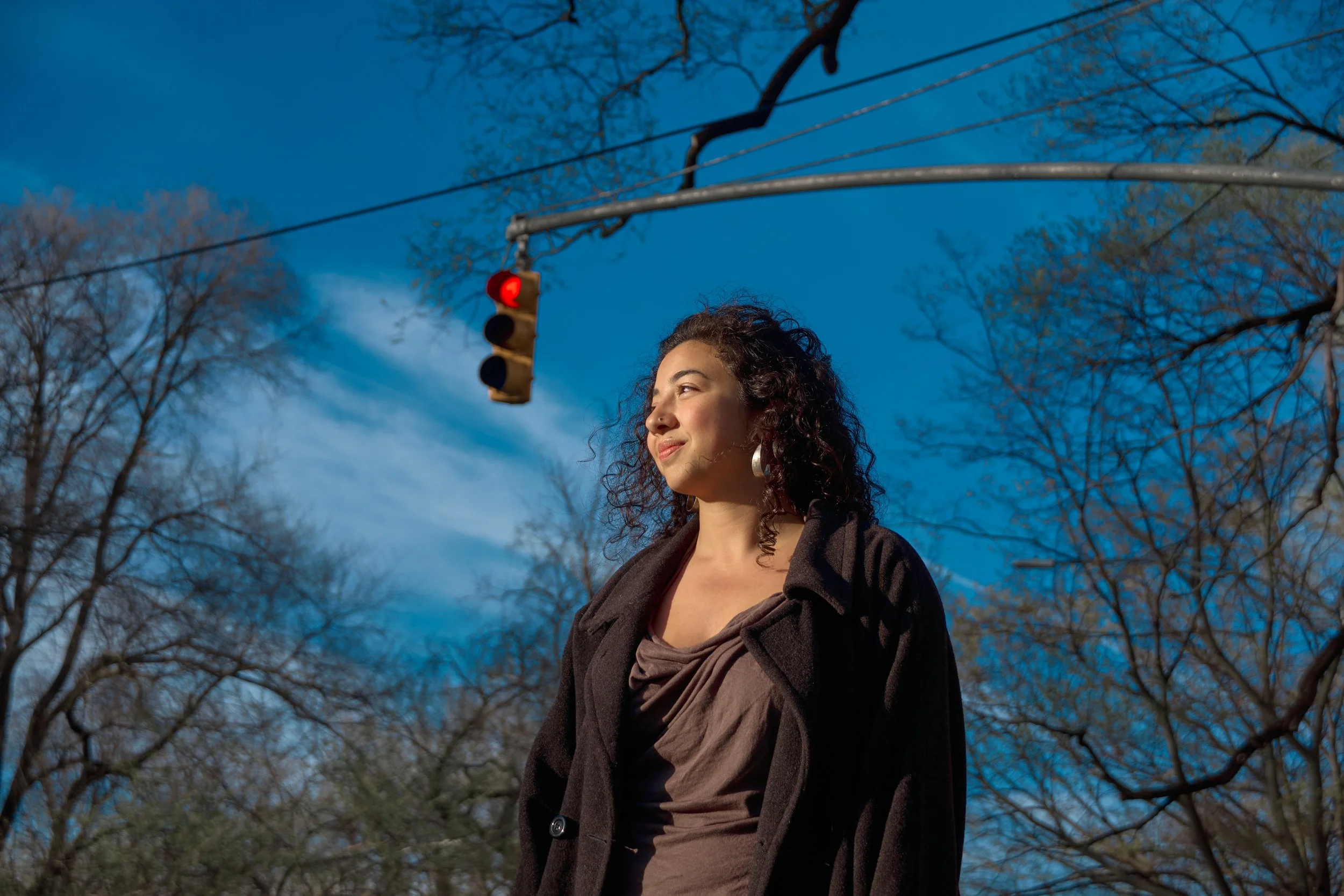
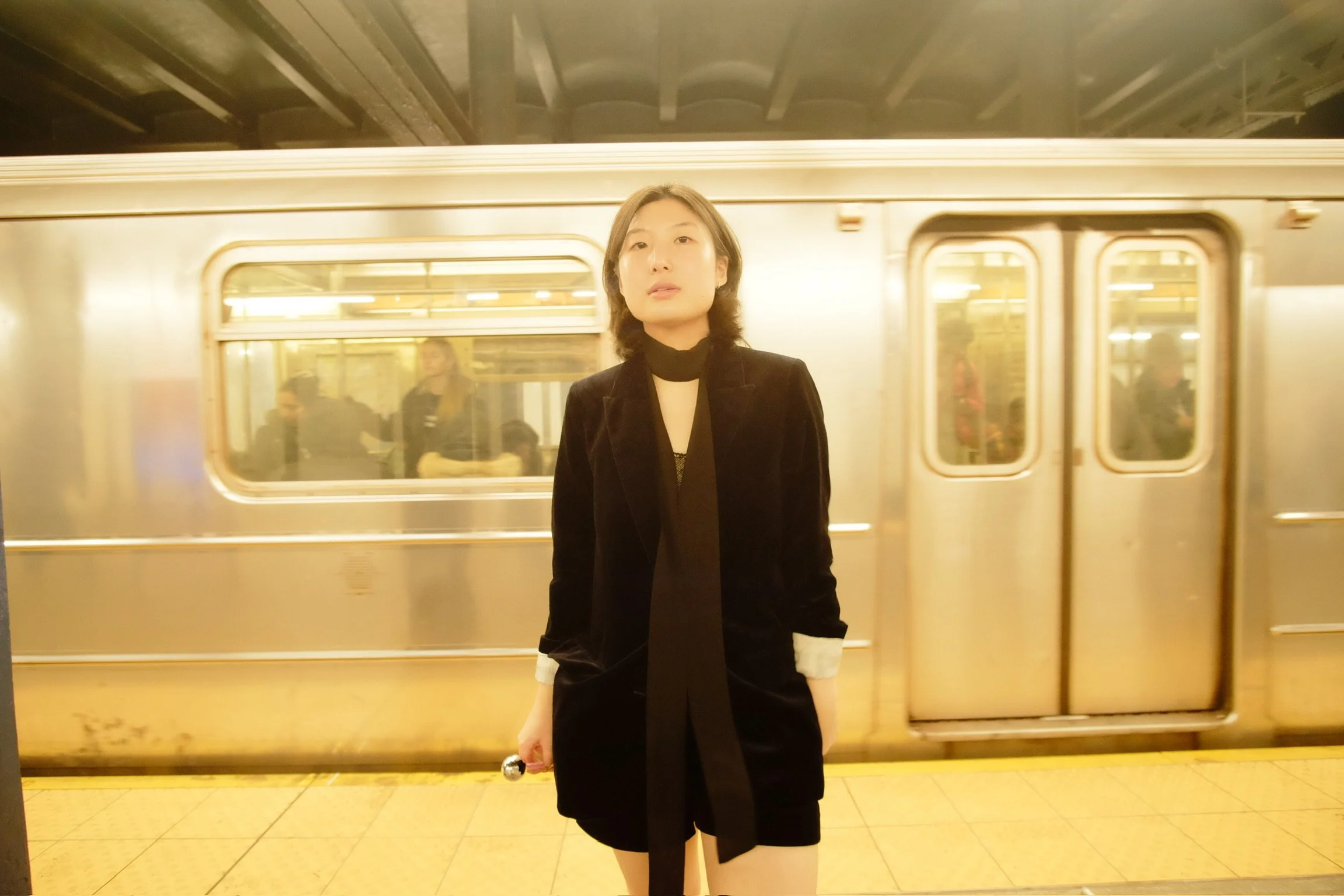
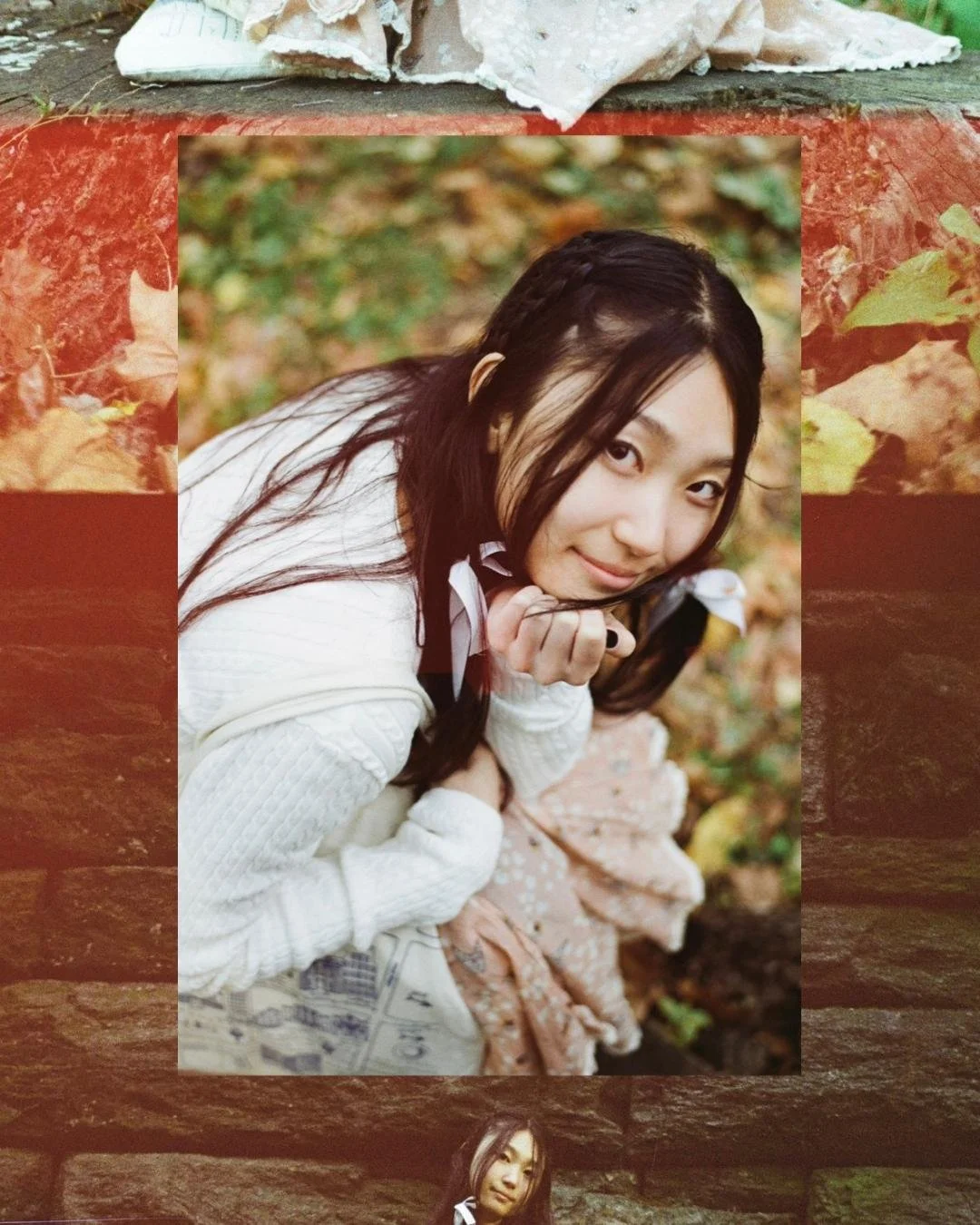
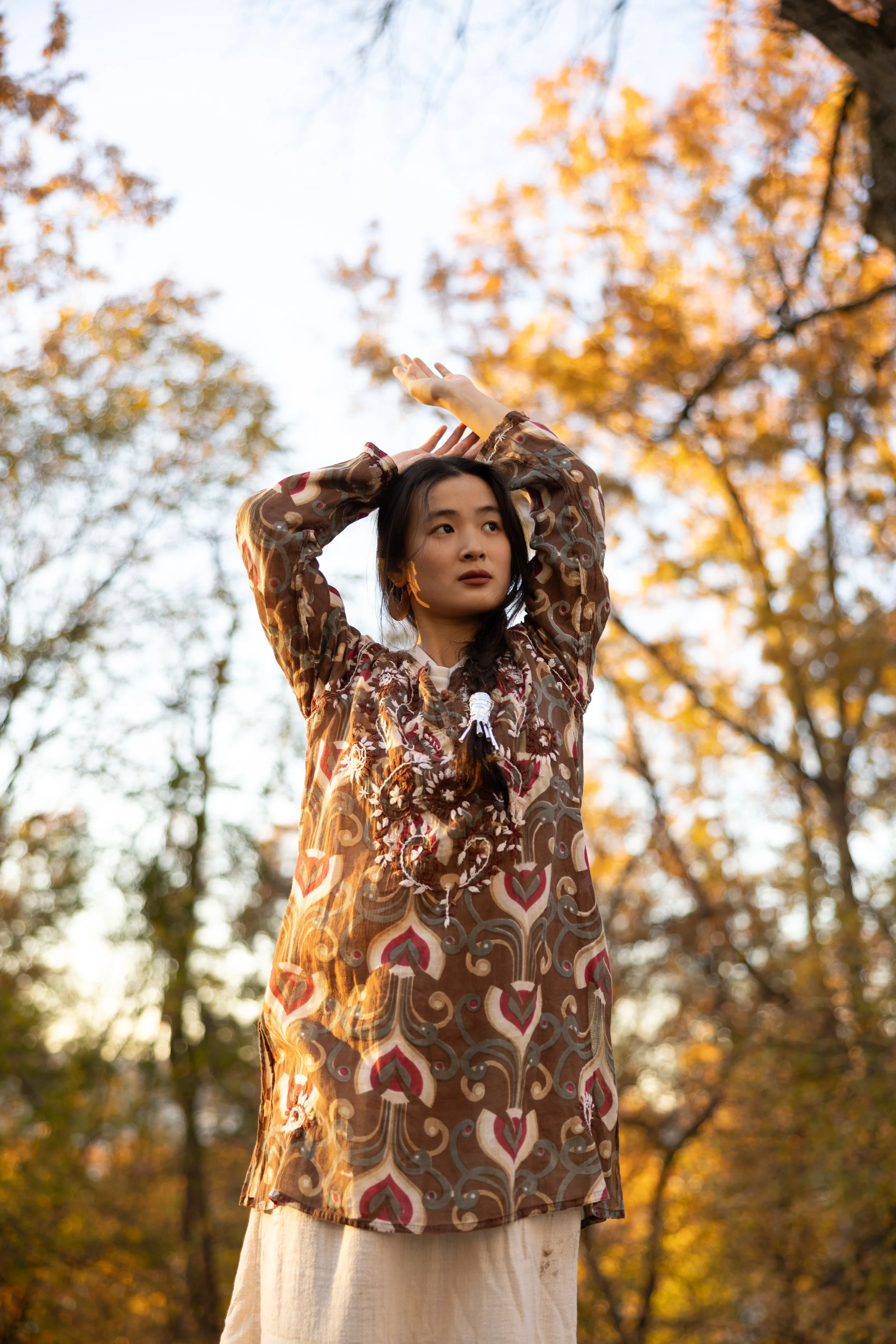
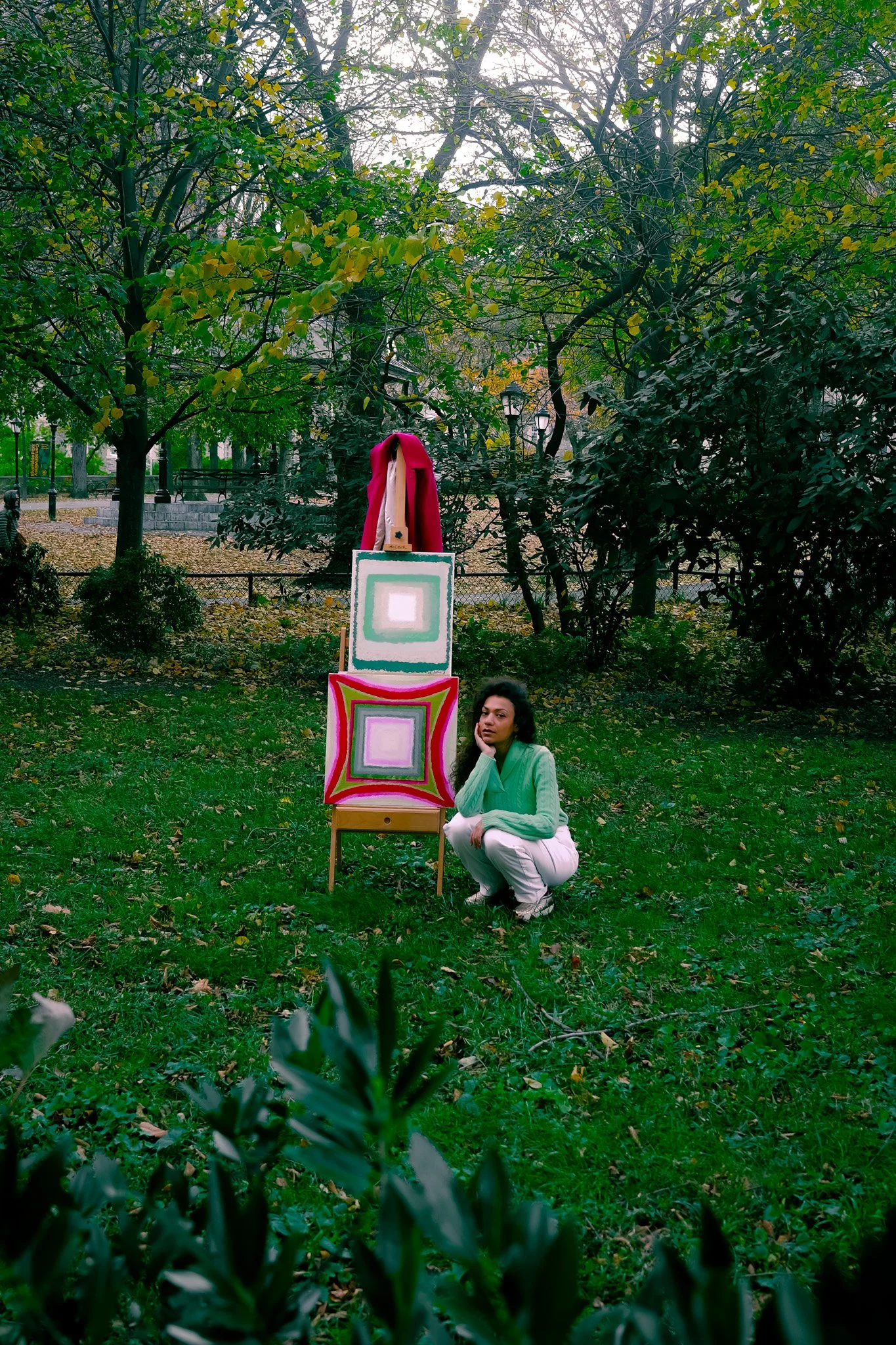
Ena Hsieh (CC ‘28)’s art showcases how humans interact with metropolitan environments and how spaces are able to influence human behavior. Through photography, charcoal paintings, and 3D modeling, Ena explores how intent in urban design is able to smooth the constant friction of daily life. She is currently studying Economics and Political Science at Columbia College.
Ena Hsieh grew up with the freedom to create. Her mother was an abstract painter who always kept their household full of materials and canvases for Ena to work with, and from a young age, Ena was encouraged to manifest all the ideas in her mind into reality. And with the astounding 1,671-ft skyscraper known as Taipei 101 right next to her, it’s no wonder that Ena grew curious about how urban design and policy shaped the dynamic metropolis she lived in.
As I sit down with Ena at Blue Bottle on Broadway, she tells me about her hometown of Taipei, which boasts an exceptionally high standard of living along with excellent comfort, safety, and healthcare ratings. Ena speaks about how moving through the city felt seamless, as if she was gliding through the spaces around her, and she wanted to explore how urban design made that feeling possible.
She began interacting with older and newer buildings all over the city and observed how spaces could be tailor-made to suit a purpose, such as drawing people together, or to create a more harmonious standard of living through principles such as feng shui, a Chinese practice that optimizes space arrangement for balanced energy (chi) flow and a high quality of life. In fact, even the nearby skyscraper Taipei 101 was built with feng shui in mind: its shape resembles bamboo, which symbolizes longevity and resilience, and its eight-sectioned structure represents abundance and good fortune (Feng Shui & Housing Markets).
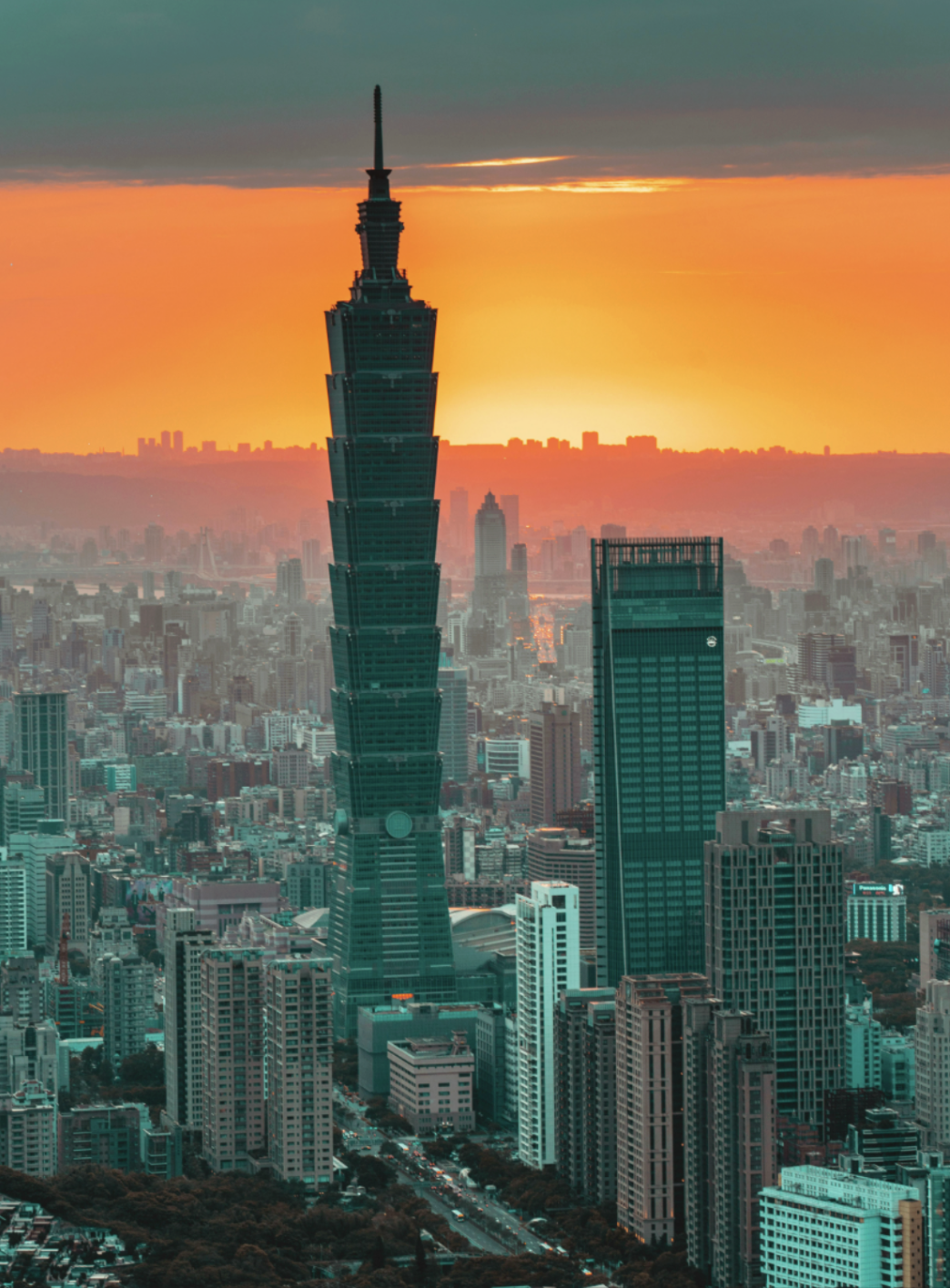
A photo of the Taipei 101 skyscraper taken at sunset by Jimmy Liao.
Fascinated by those intentional choices, Ena began studying architecture in high school, where her teacher would tear down the pieces Ena had constructed and propel Ena to start all over again. As a result, Ena began viewing architecture as something iterative: a dynamic process that requires constant revision to suit the needs of a space. From her experiences with modifying architecture, Ena began to consider cities as alive in their own right, and she started to explore how the interaction between humans and the urban spaces around them could be visualized in her art.
In many of Ena’s charcoal drawings, there appears to be no clear foreground nor background. Instead, both the people in the center and their environments merge into one another, tangibly showcasing how humans and spaces can never be entirely separate from one another. What we would traditionally consider empty or negative space is instead highlighted with dark strokes that pull the background to the center, and that dynamic momentum is built up with variations in texture that mimic 3D movement.
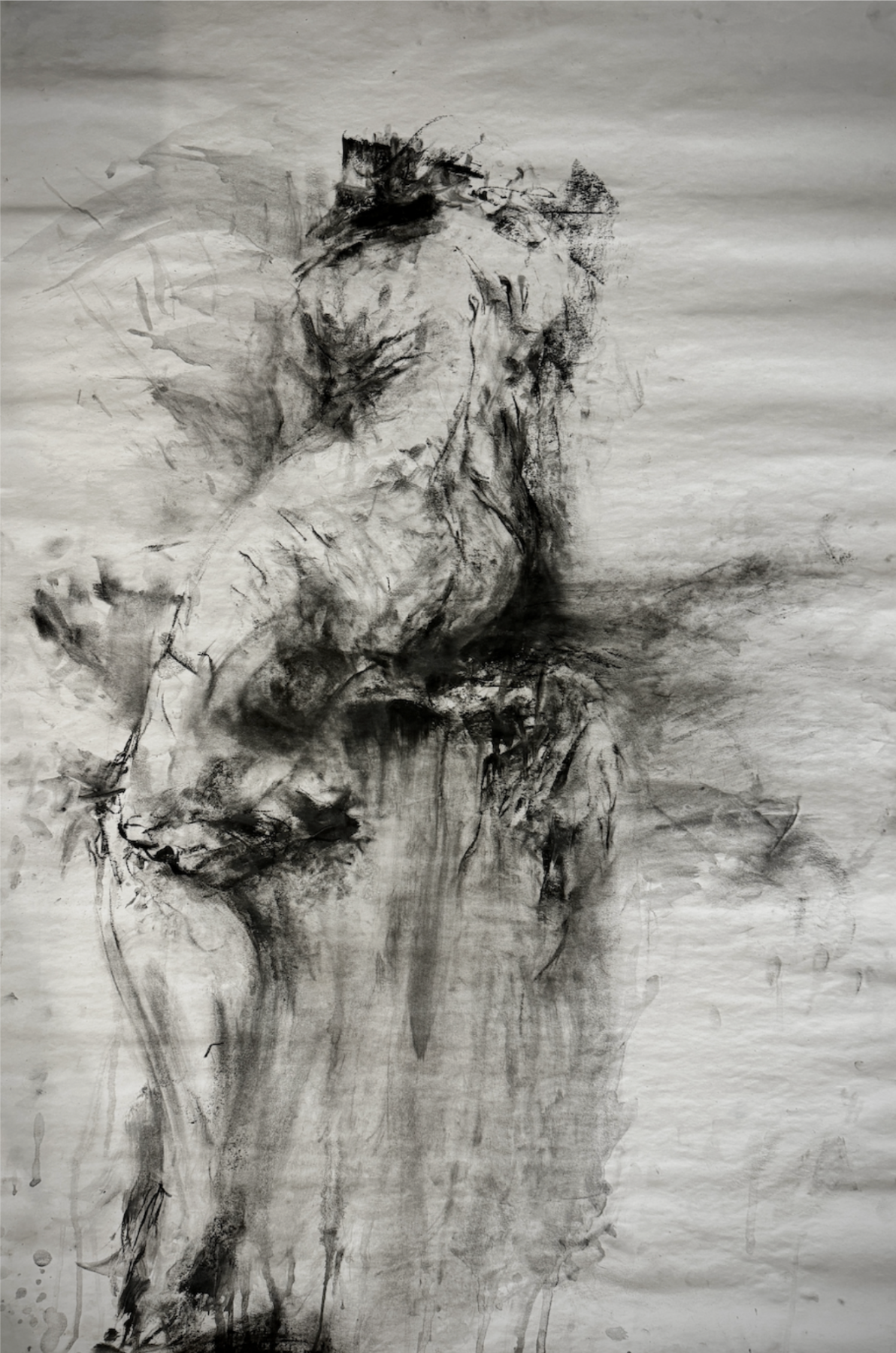
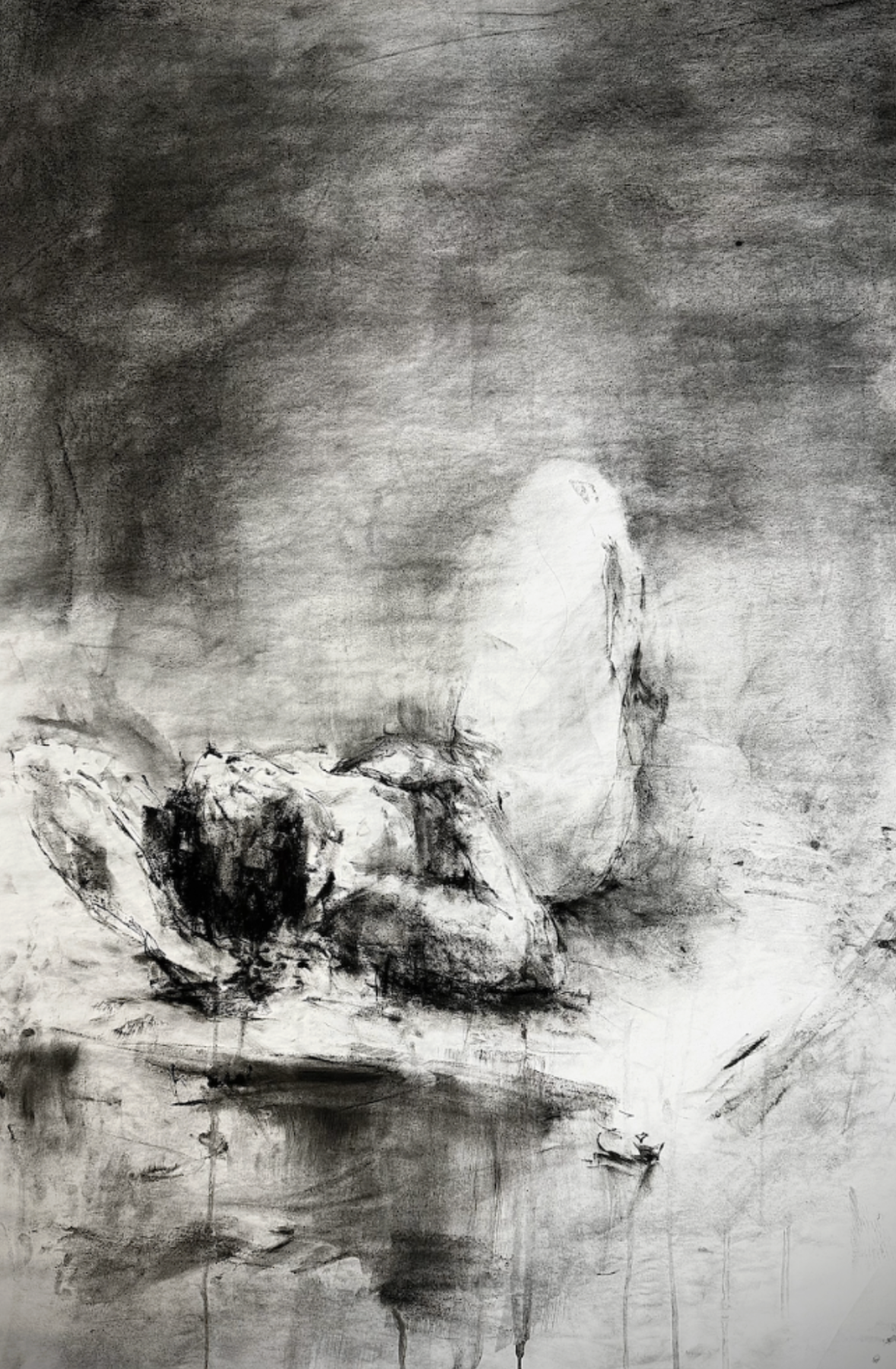
And within the dynamic, shifting appearance of her art, Ena wishes to portray how humans and spaces are constantly influencing and being changed by one another in a perpetual cycle. With one click of the shutter from her camera, Ena captures a single moment of our ever-changing present, whether that looks like a blinding moment in the desert or the intimate view of a day’s end.
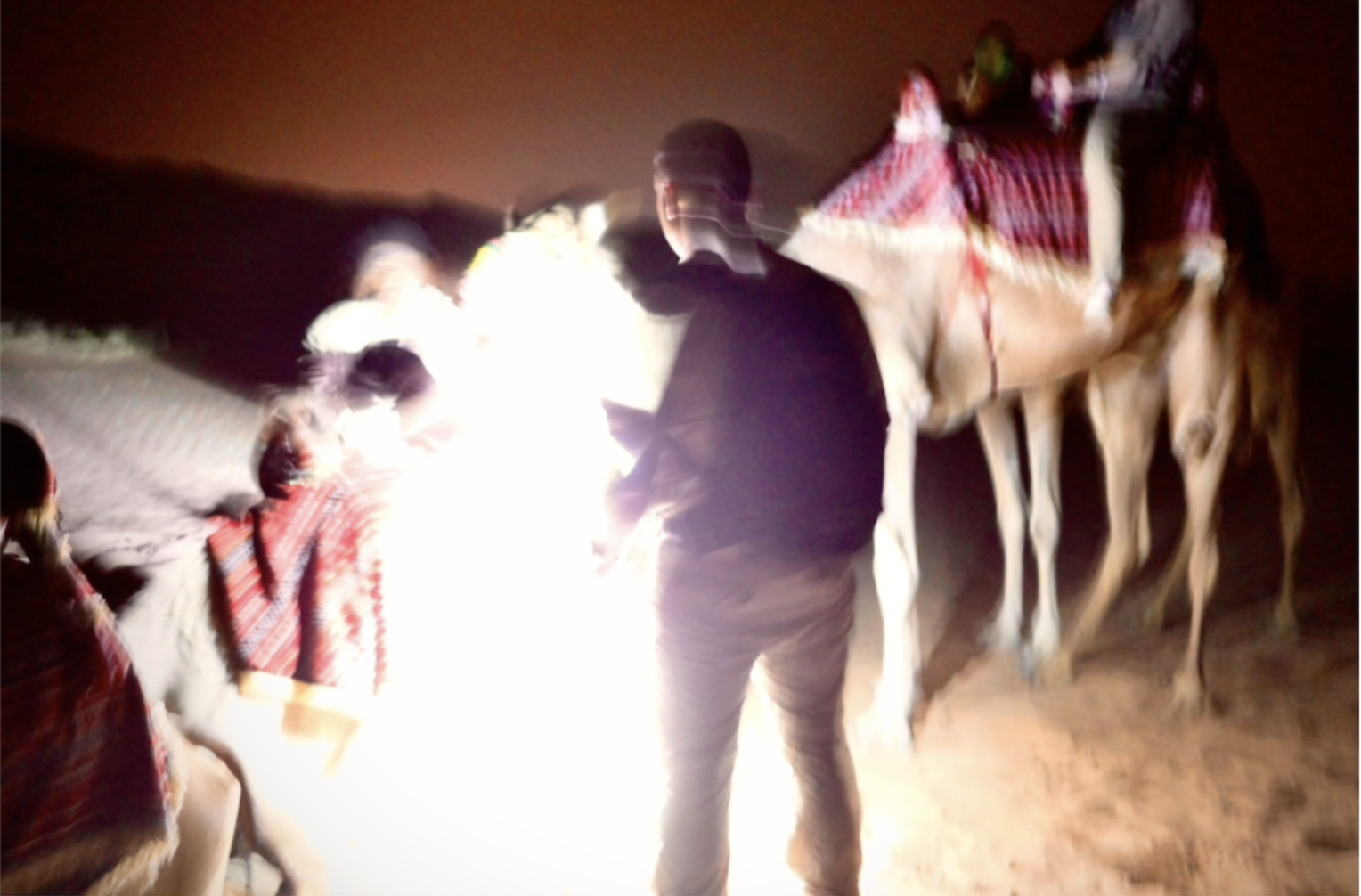
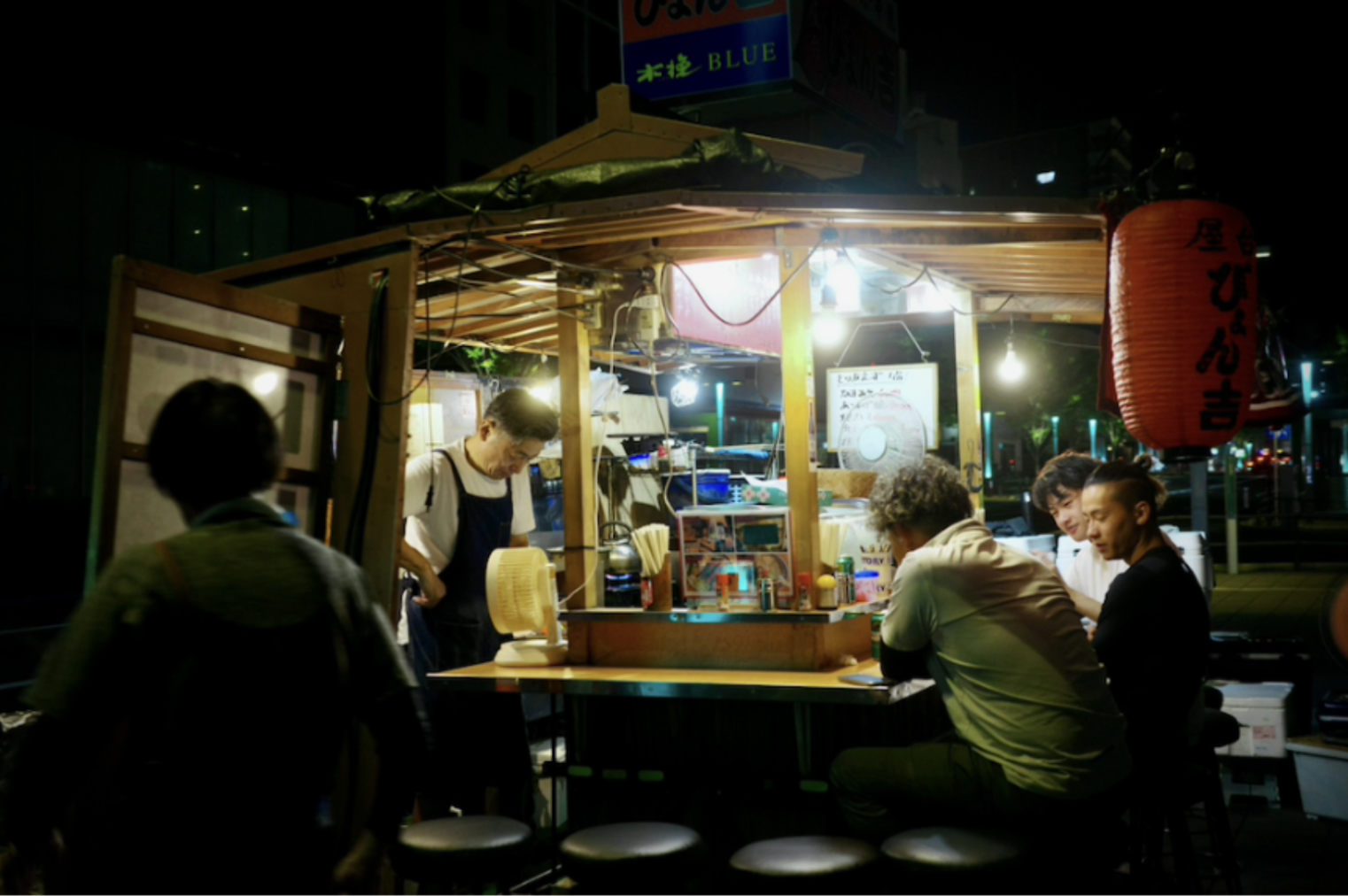
“Things don’t happen naturally. The fact that I get to be here at this exact time with these exact resources and these exact individuals–so many things led me to where I am in the present. What are the chances that this moment could be exactly the same in the future? It’s never going to happen again. So why are we not appreciating what we have right now?”
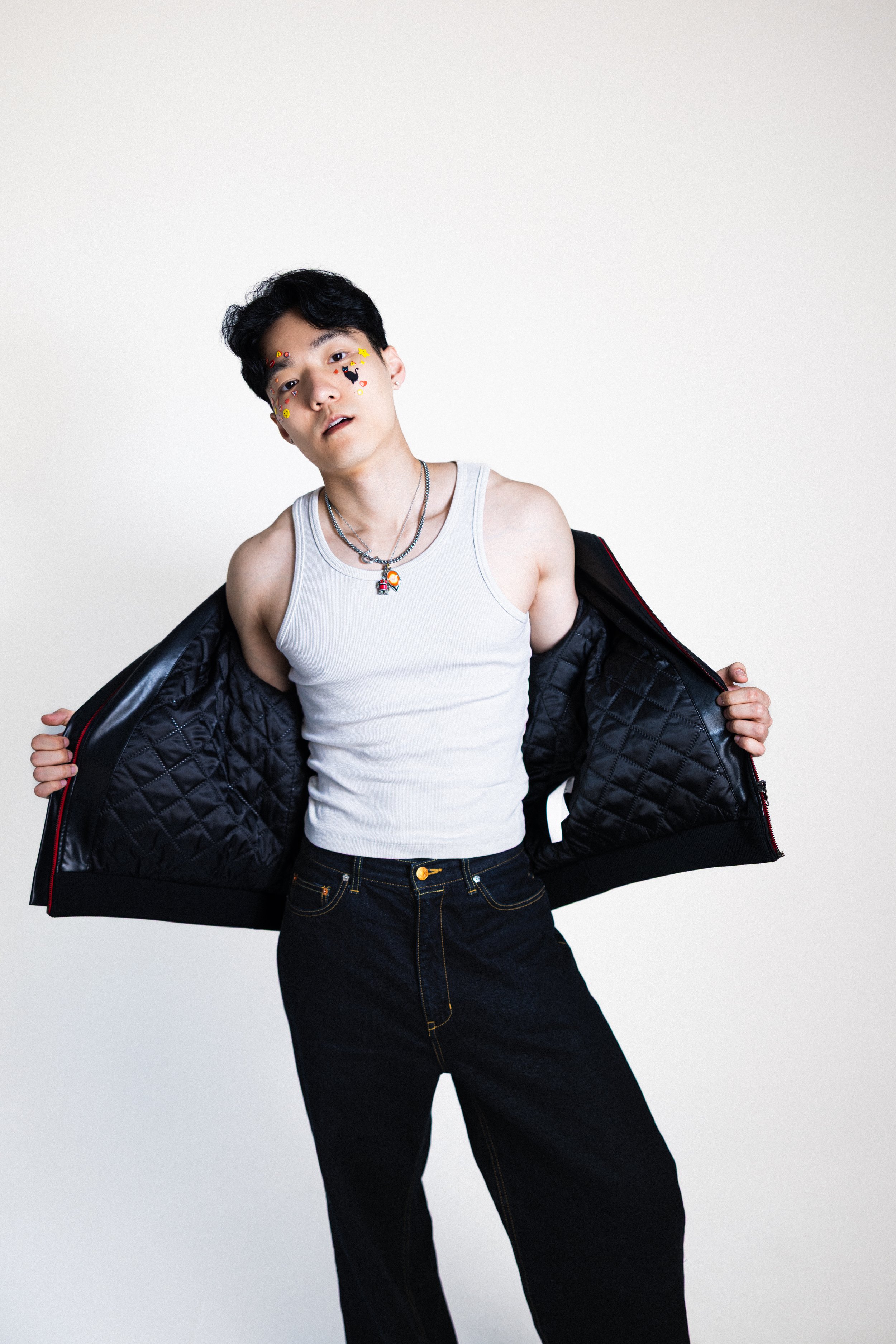
Pointing at me, Ena tells me that “One way I’m able to emphasize the importance of being fully present is looking at the air around a person. That way, I’m not just seeing clearly outlined shapes–like oh, here’s a circle and there’s a triangle. I see you as a human by observing how shapes interact with the air around you. Your shoulder–that’s more in the light, so the air should appear softer. But by your jacket, there’s a sharper contrast…”
She doesn’t think about photography by staging poses or color blocking. Instead, Ena wants to frame an image exactly as it appears in real life–capturing the ephemerality of a singular moment in time where an individual and an urban space have come together to create something beautiful.
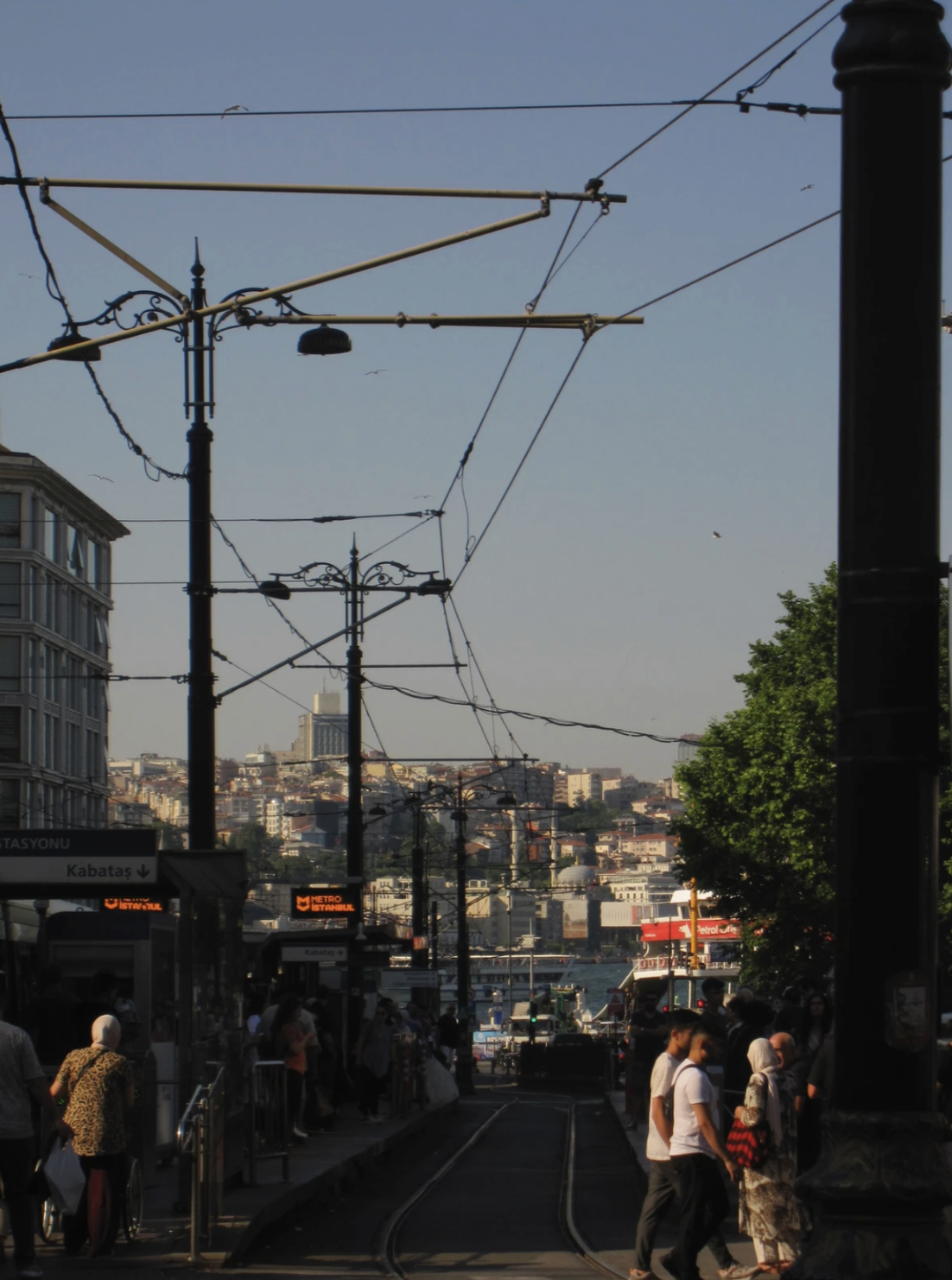
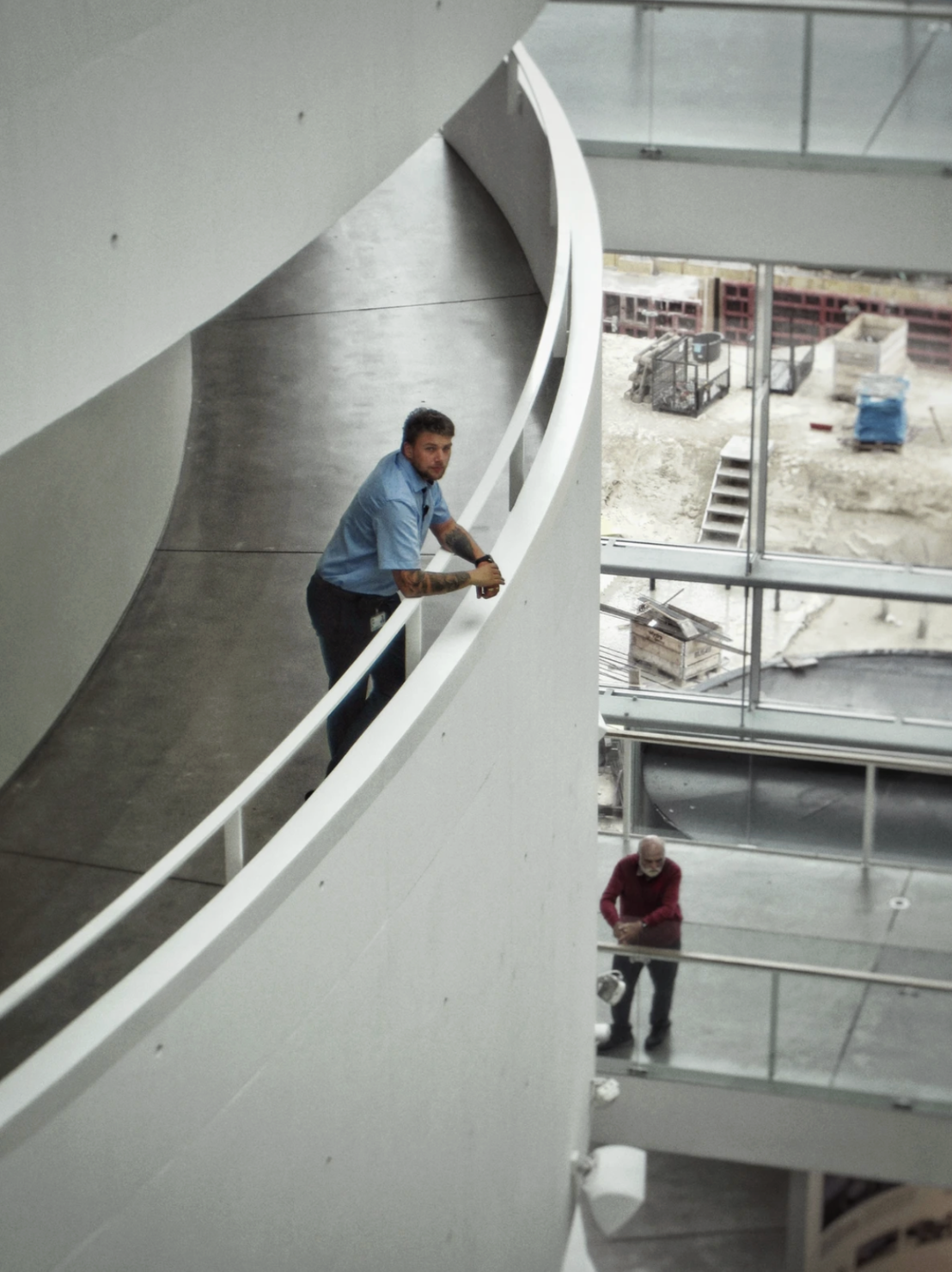
Gesturing to a person sitting outside, Ena says, “Look at her drinking coffee. She seems happy. She looks comfortable. Why can’t things always be like that?”
In the bustling, cramped environment of a city that forces us to make ourselves smaller and follow overwhelming crowds, Ena wishes for a world with space for us to slow down. She dreams of cities where “living could feel as easy as breathing–not something you have to think about.”
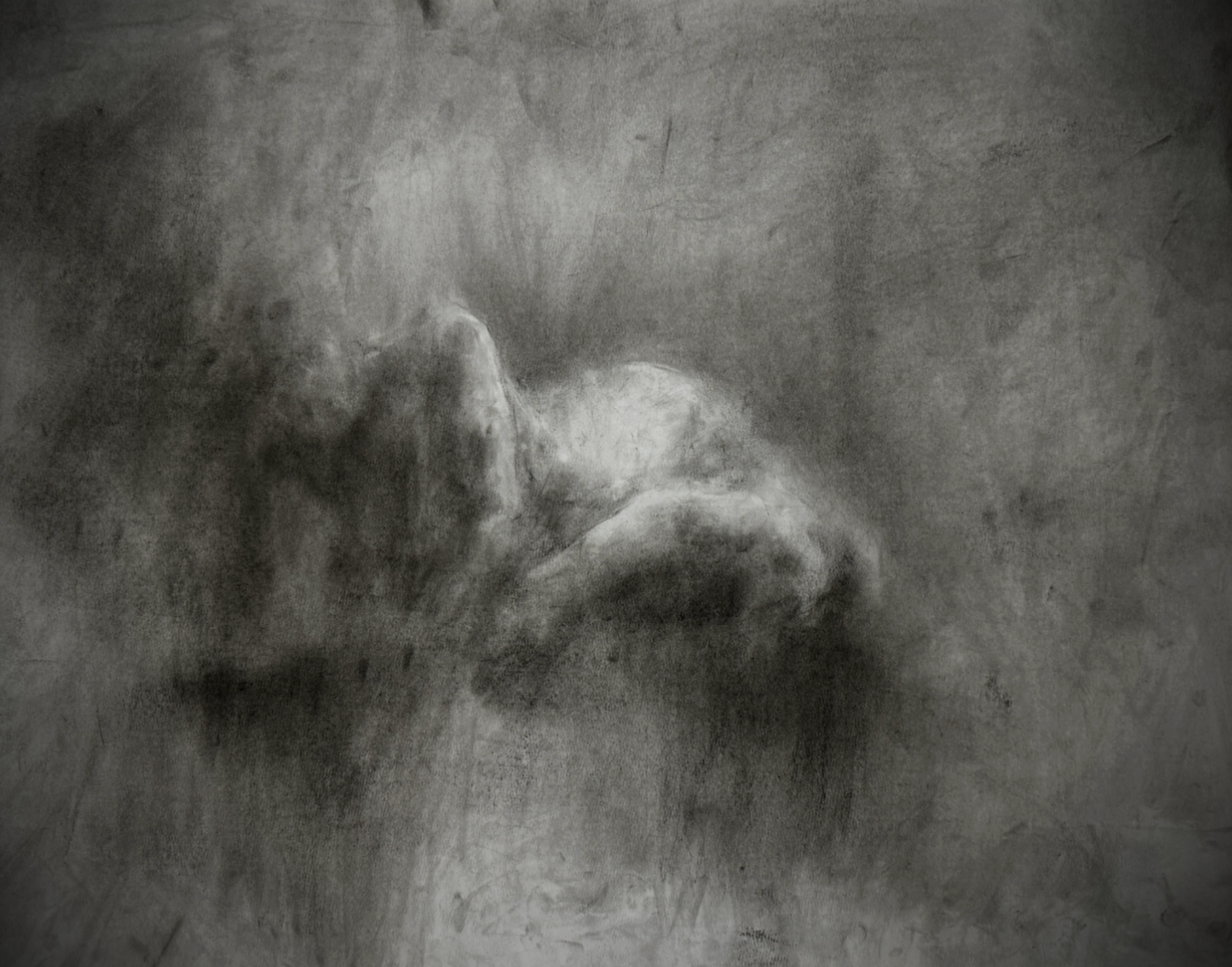
That kind of urban space may not exist in our present day, but it appears to be taking shape in Ena’s art. I stare at Ena’s charcoal drawing of a woman contorted backwards in pain and clenching her face in agony, and I watch how the woman’s desperation seeps into the air around her until the setting fluidly morphs into a manifestation of her hurt.
Unfortunately, this vision of seamless interaction between space and humans is not yet reality. The composition of urban environments chafes at our emotions and makes it harder to feel.
But for now, perhaps we may hide away in the world that Ena visualizes: both a representation of reality and what it could be. A place where living feels natural, where we can let down our burdens to immerse ourselves in the transient present.
Works Cited
“Feng Shui & Architecture.” Feng Shui & Housing Markets, 14 Apr. 2009, fengshuih.wordpress.com/feng-shui-architecture/.
View of the Taipei 101 Observatory and the City at Sunset, Taipei, Taiwan · Free Stock Photo, www.pexels.com/photo/view-of-the-taipei-101-observatory-and-the-city-at-sunset-taipei-taiwan-17576844/. Accessed 24 Mar. 2026.