





Feature by Isabelle Ringswaldegan
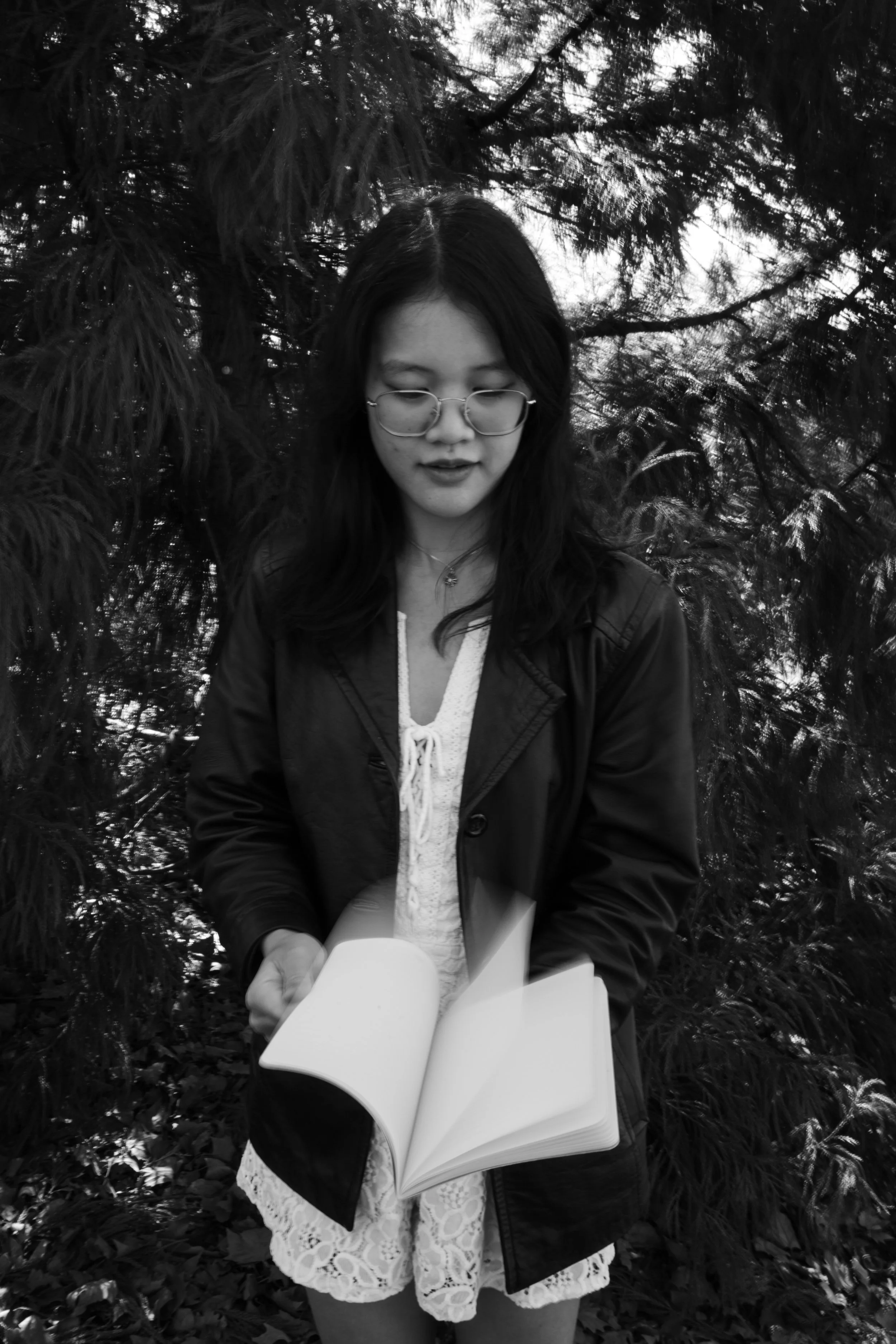
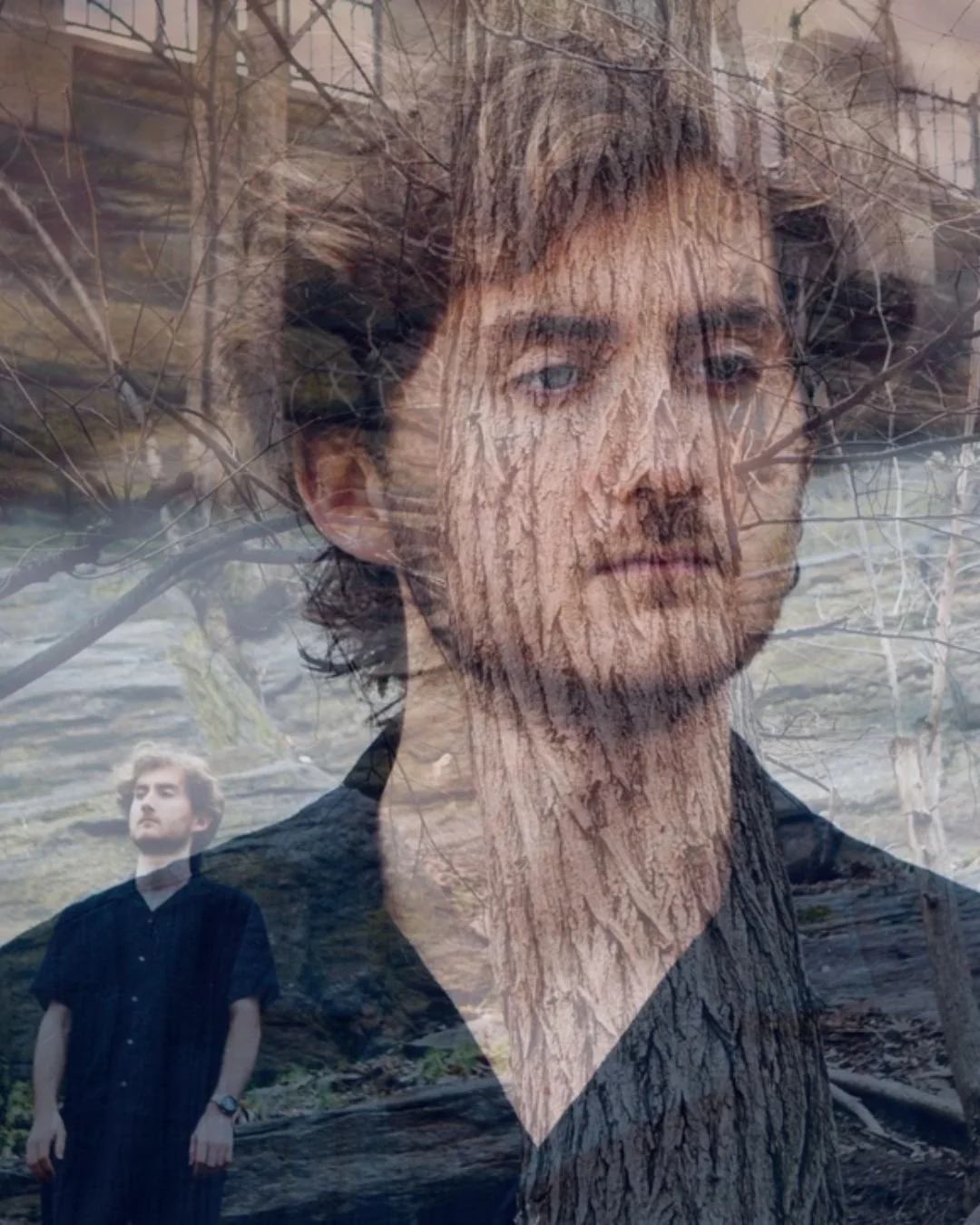
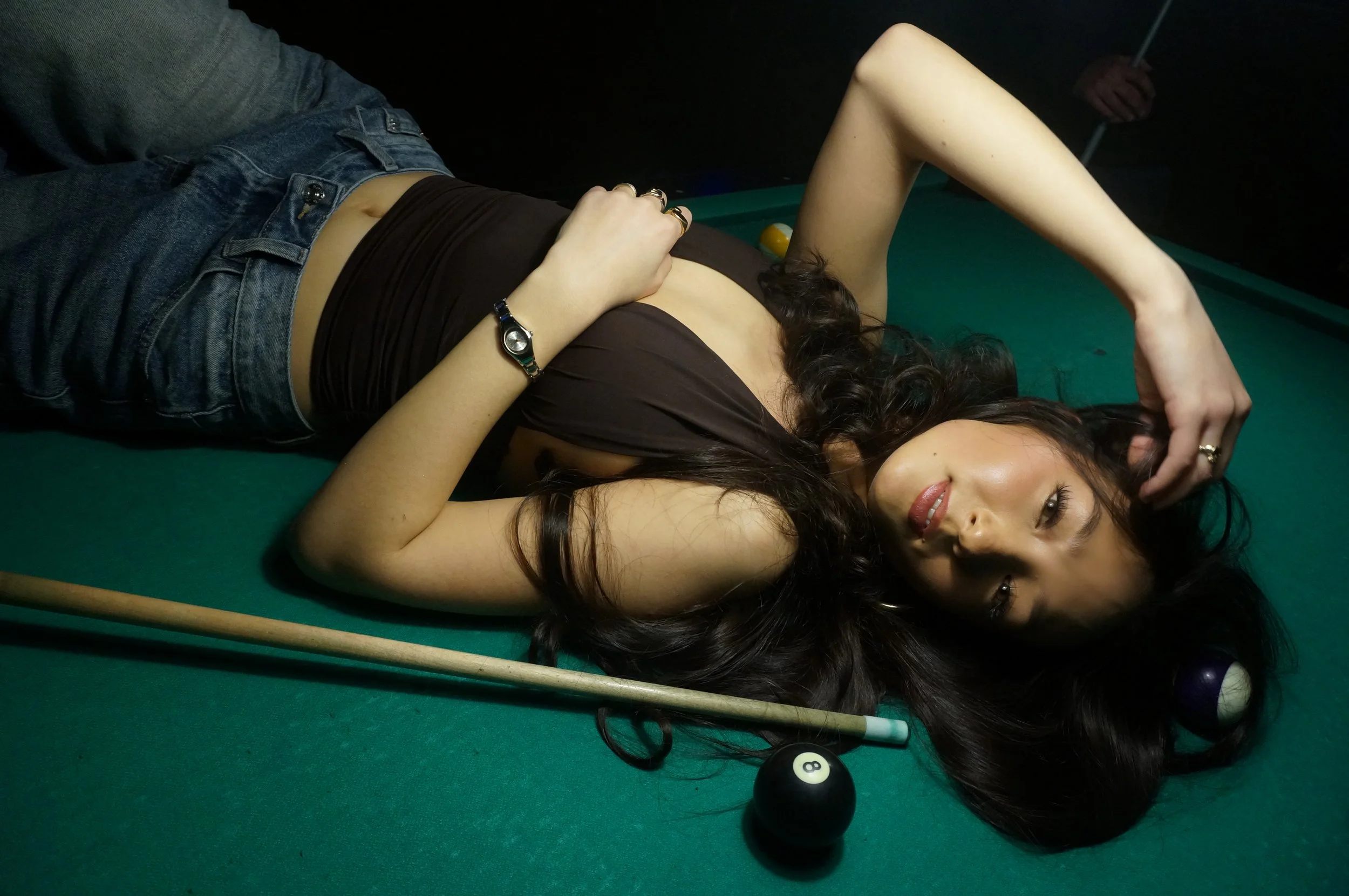
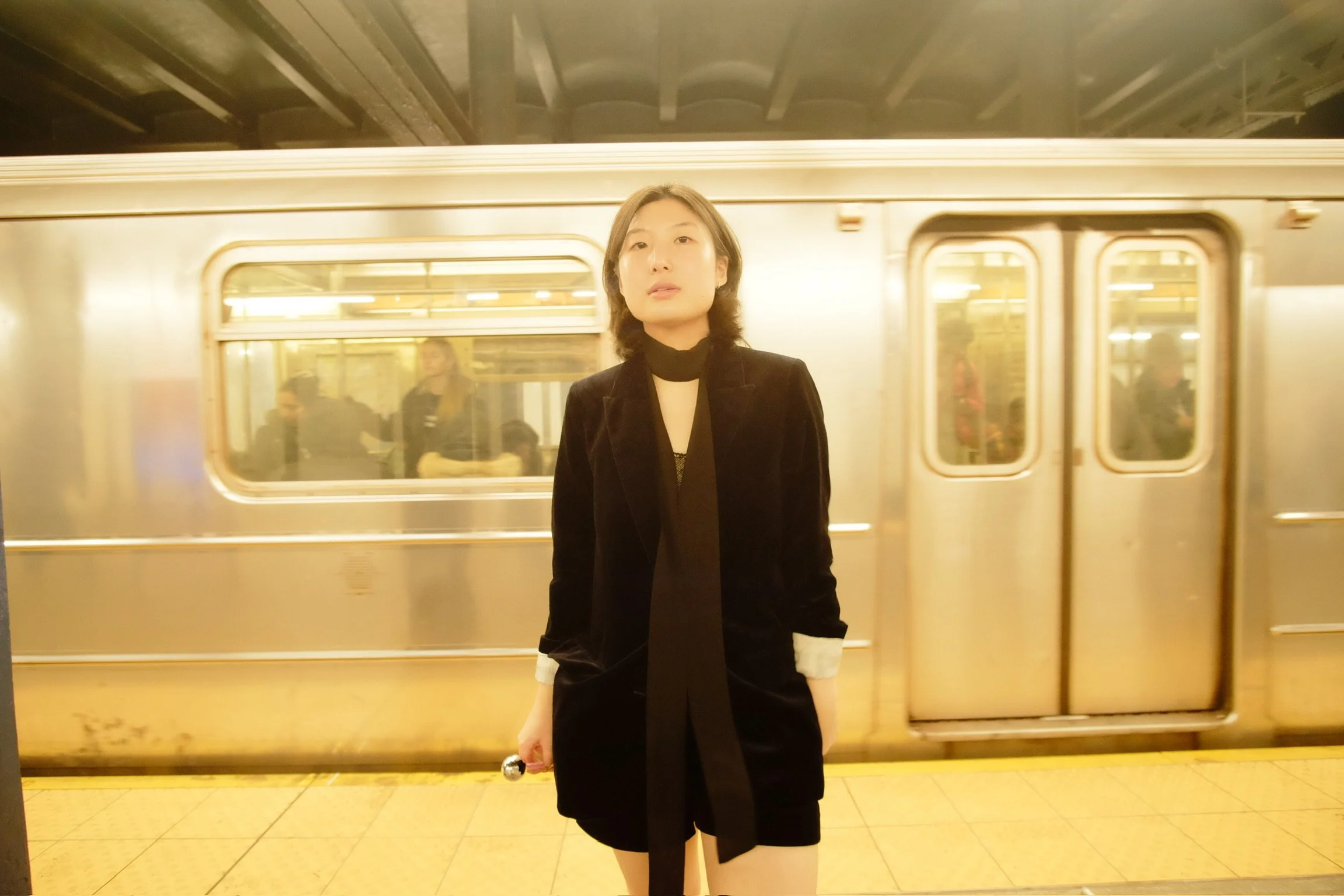
Photos by Maggie Zhang
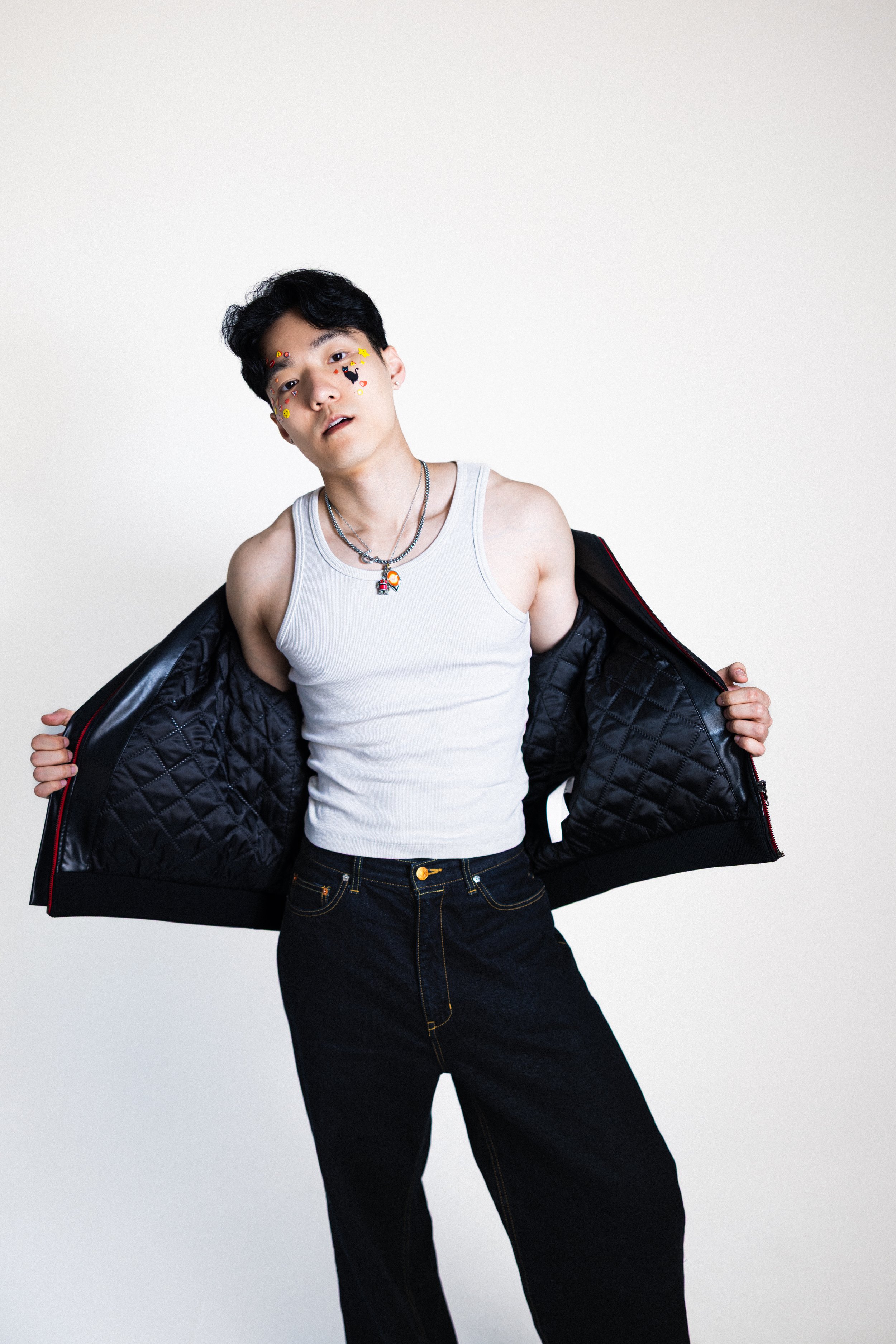
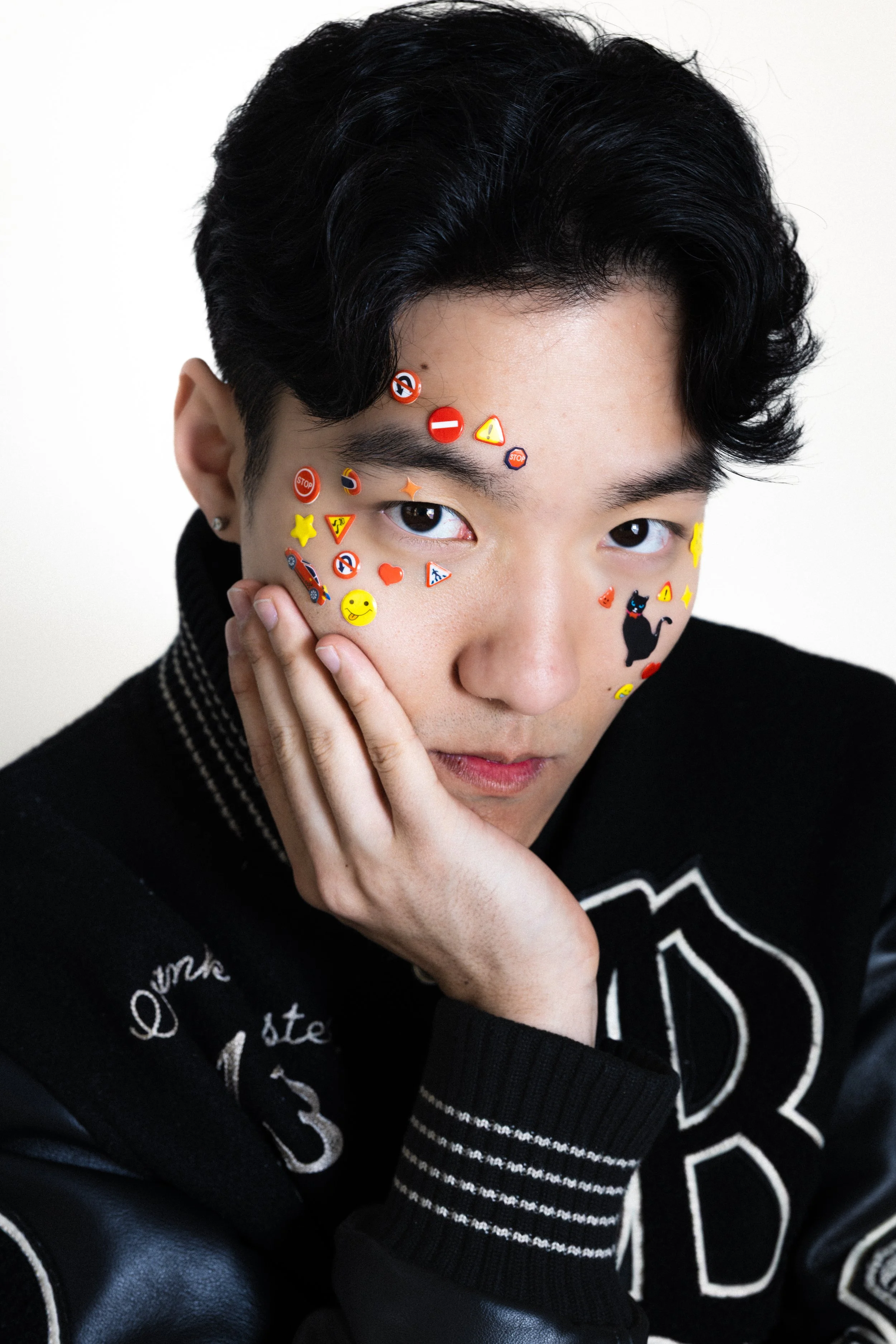
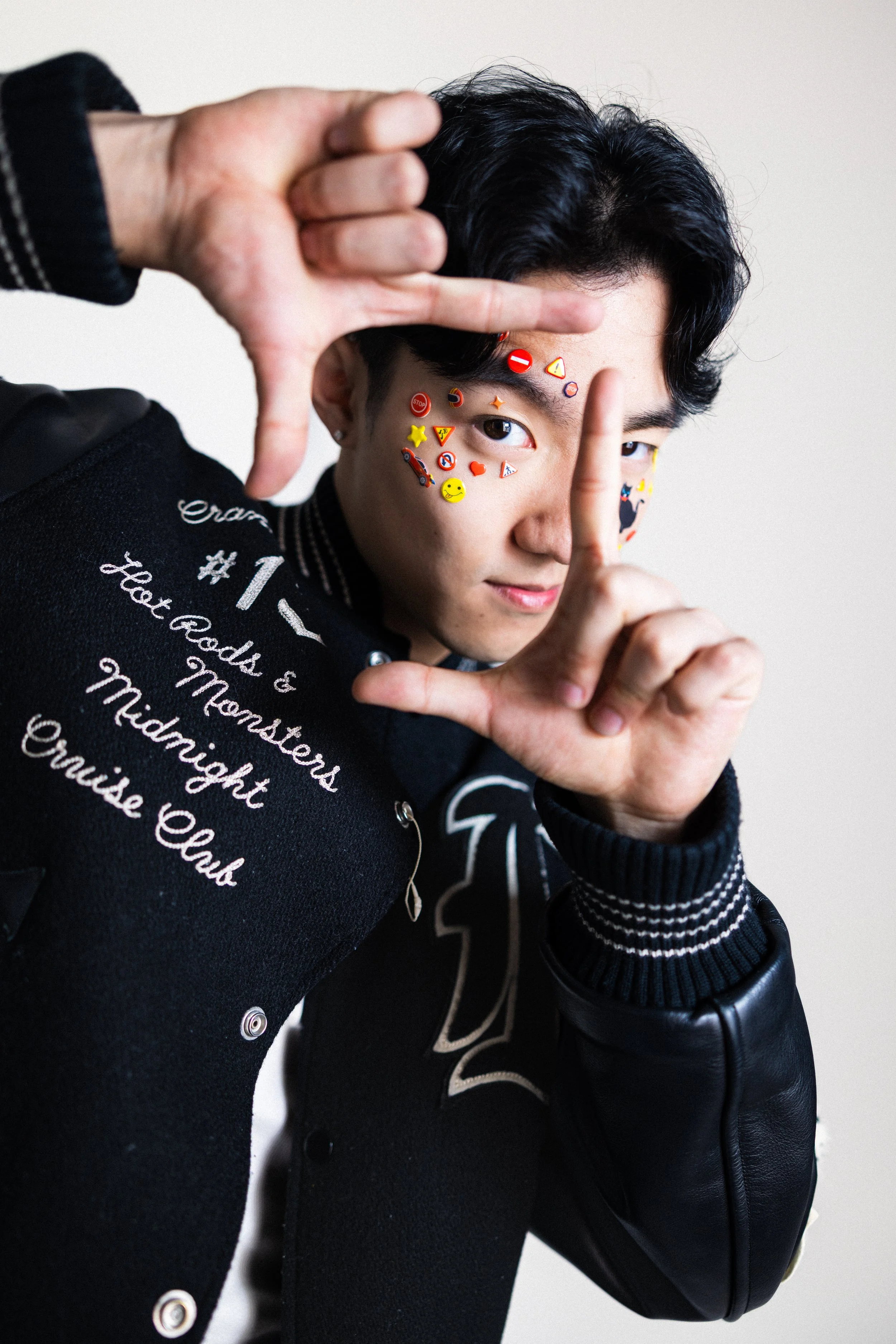
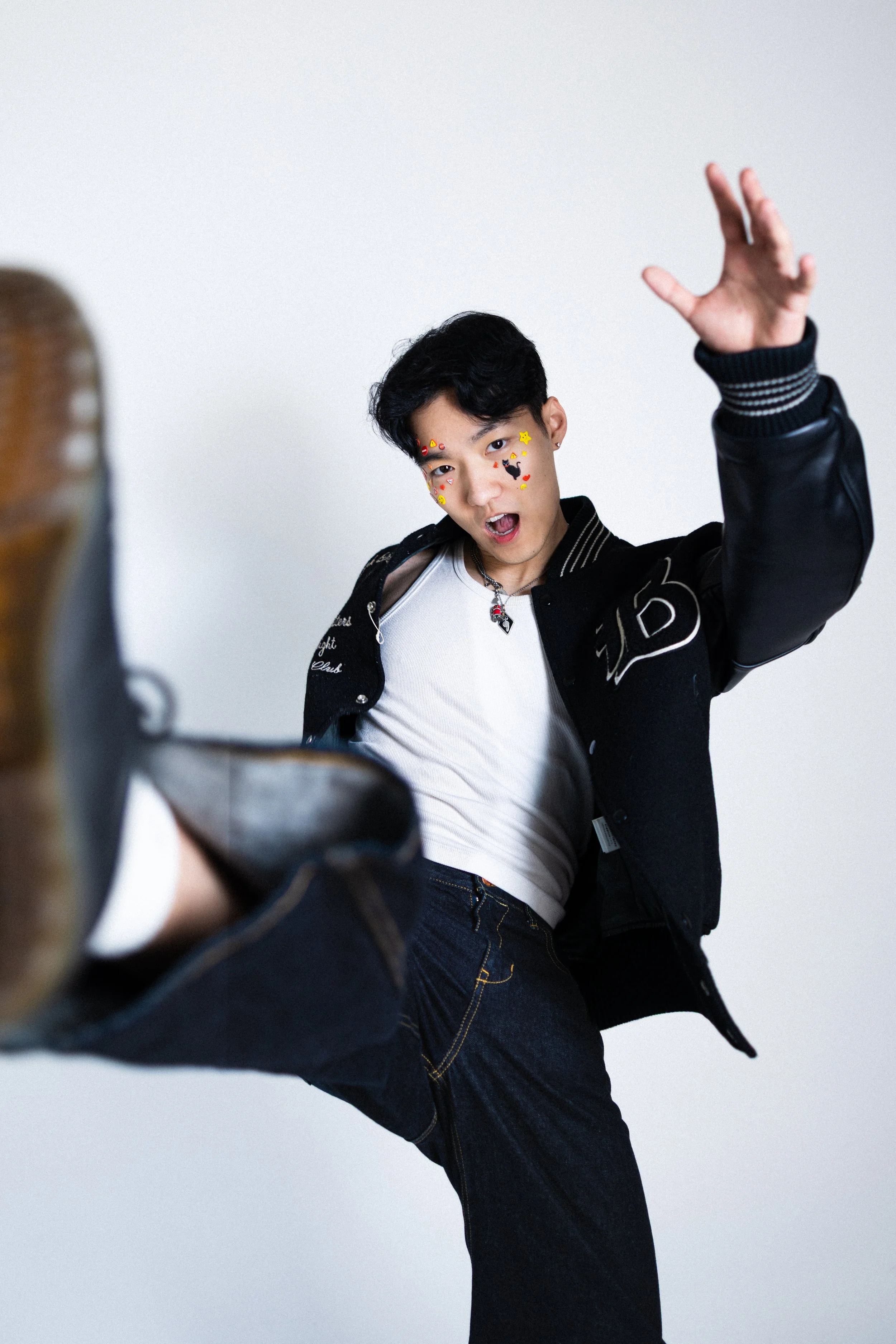
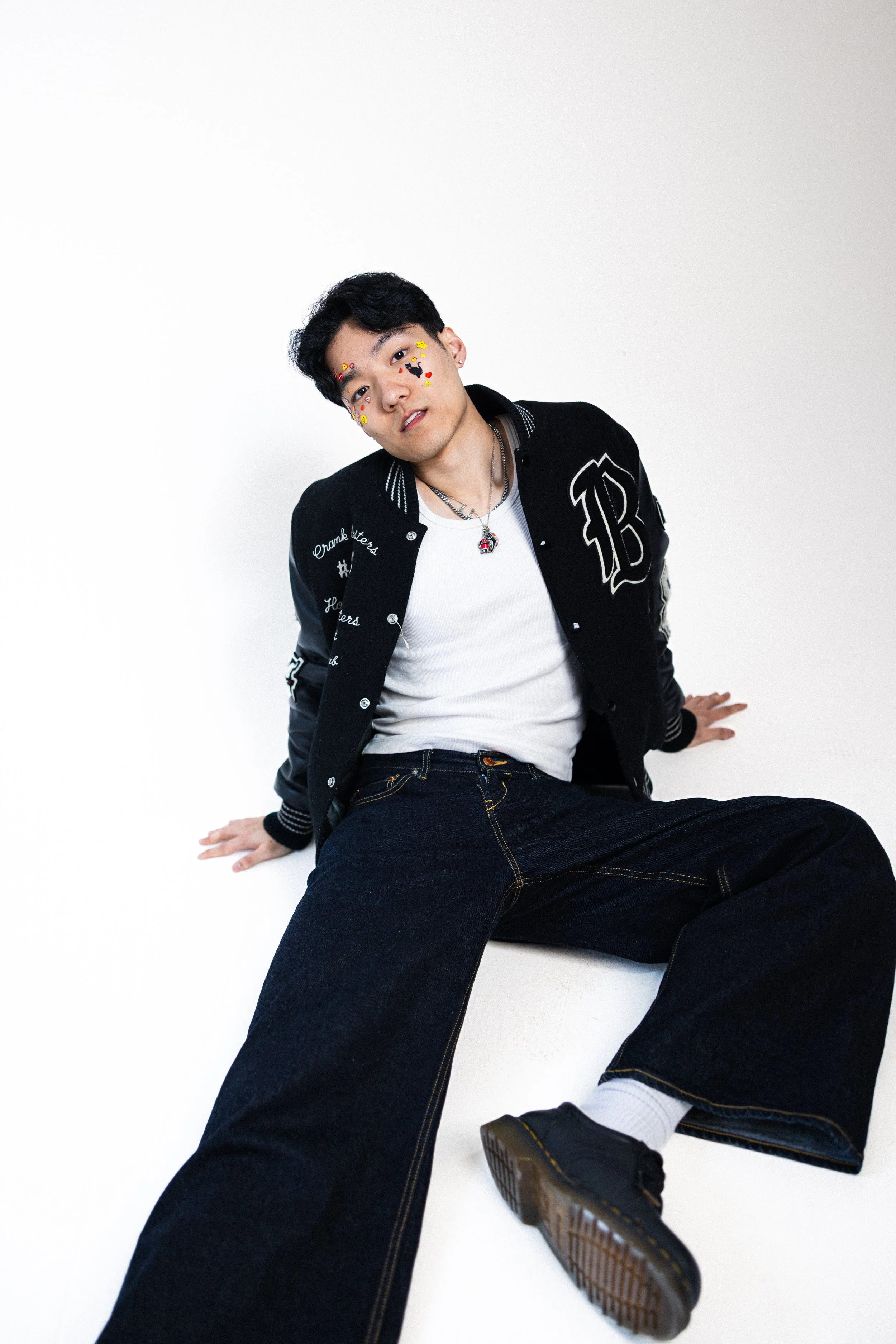
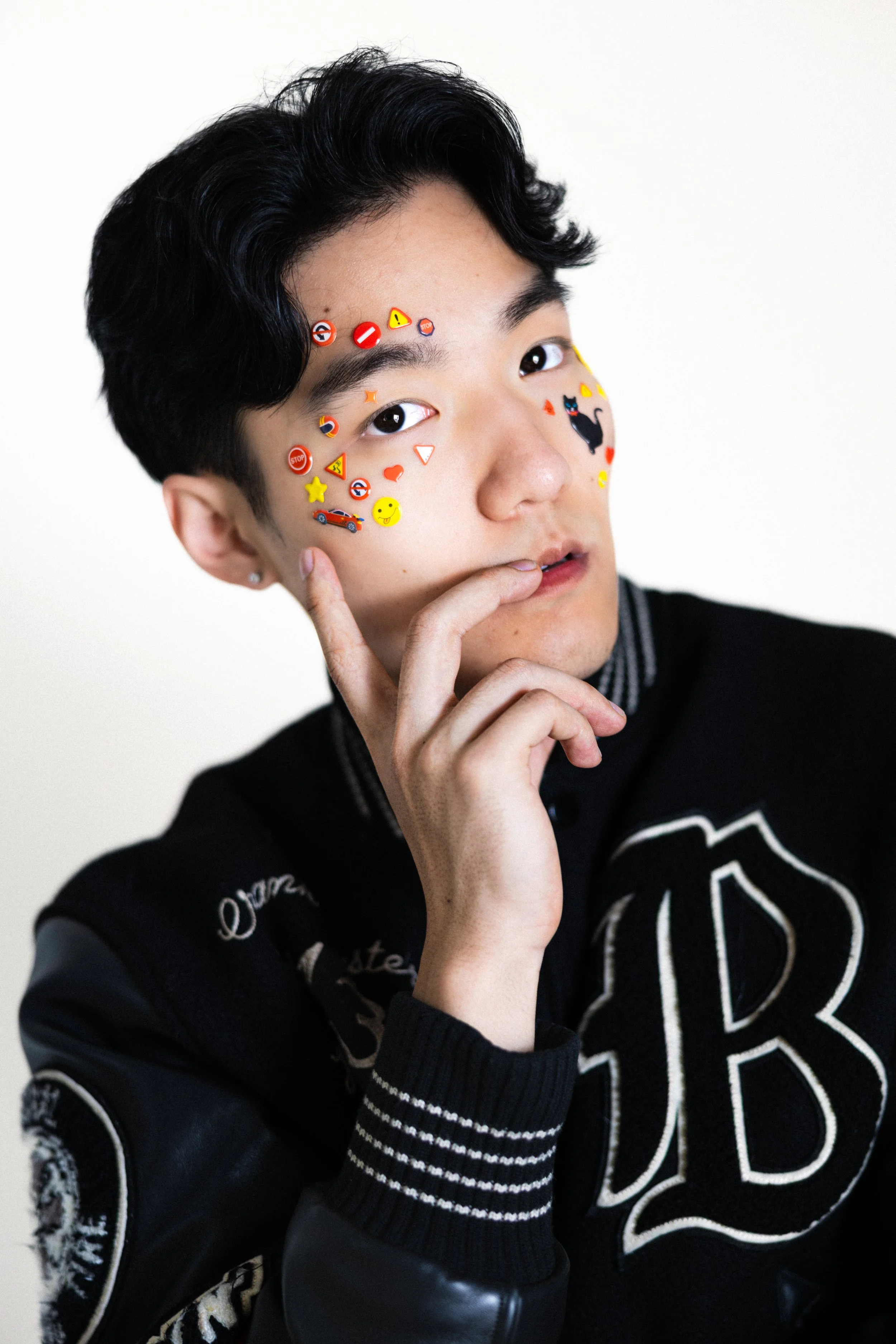
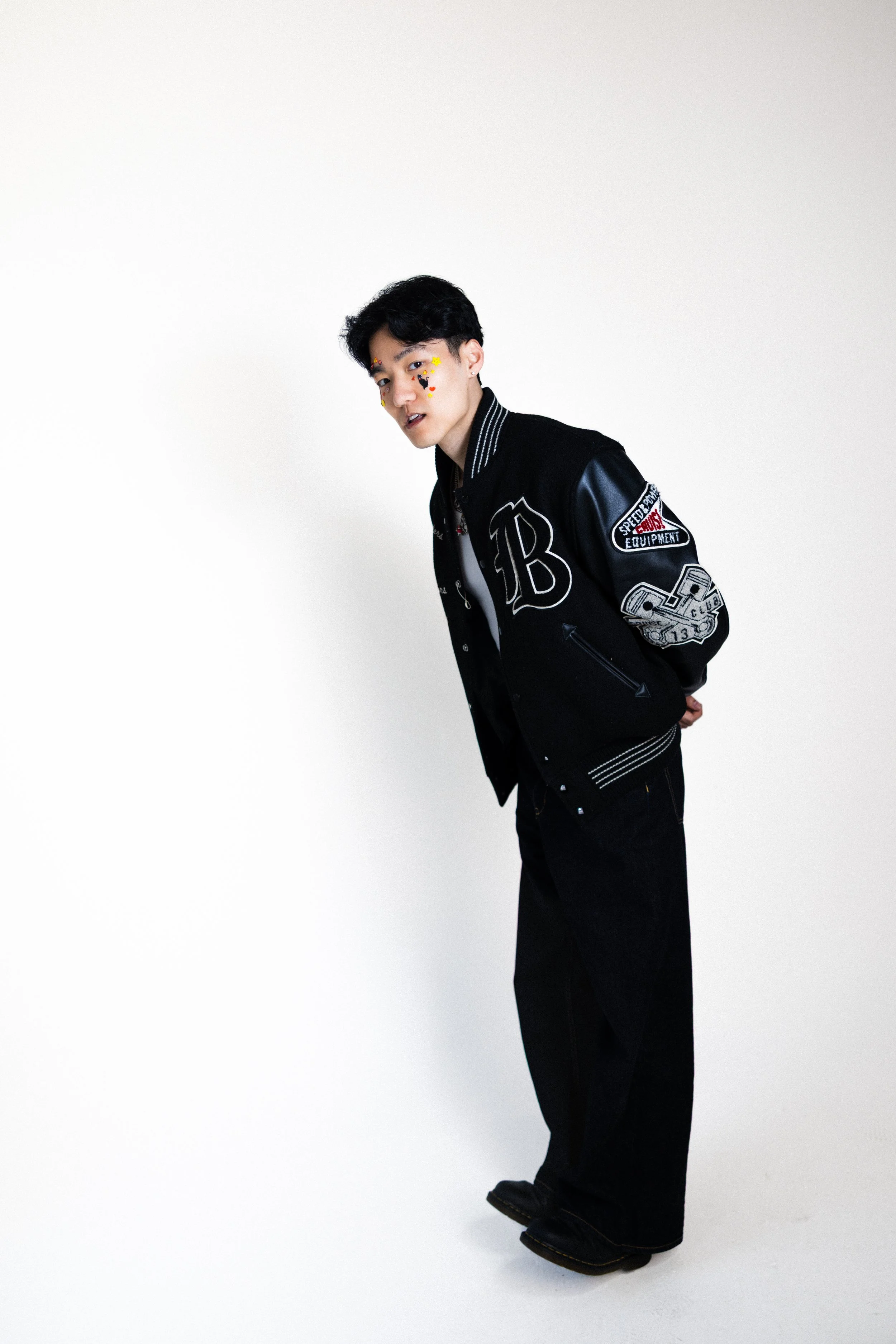
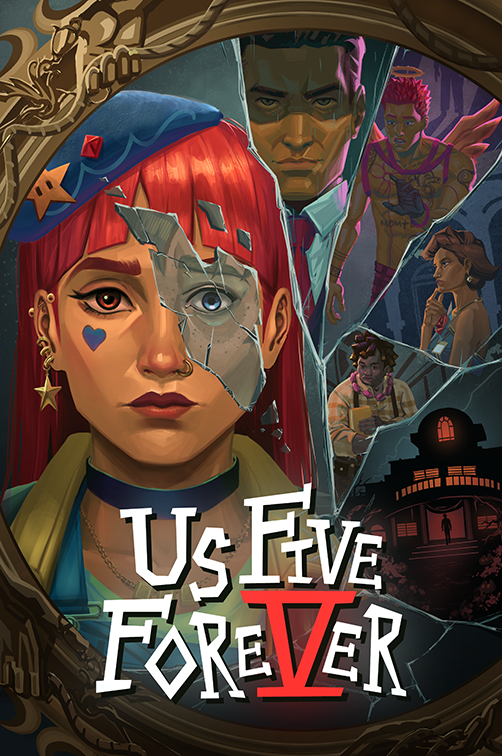
Jonas Ma (CC ‘26) is a visual artist, game designer, and filmmaker who appreciates art both as an emotional outlet and as a driving purpose. Originally from China, Jonas grew up in Orange County, California before moving to New York. He is a visual arts and film double major as well as the Game & Art Director for Sunday Studios, a student-run indie game studio which recently released their first full length game, Us Five Forever.
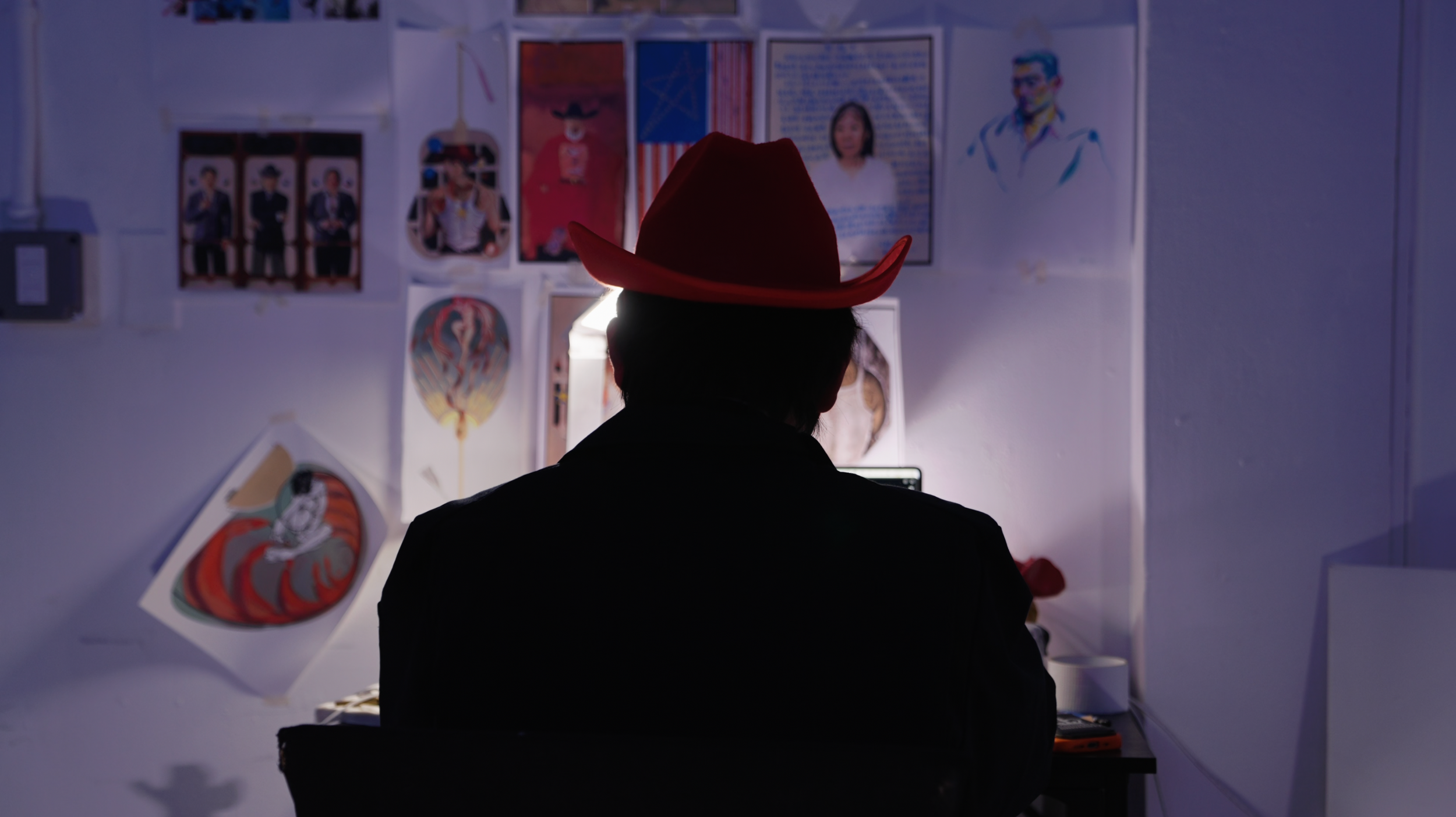
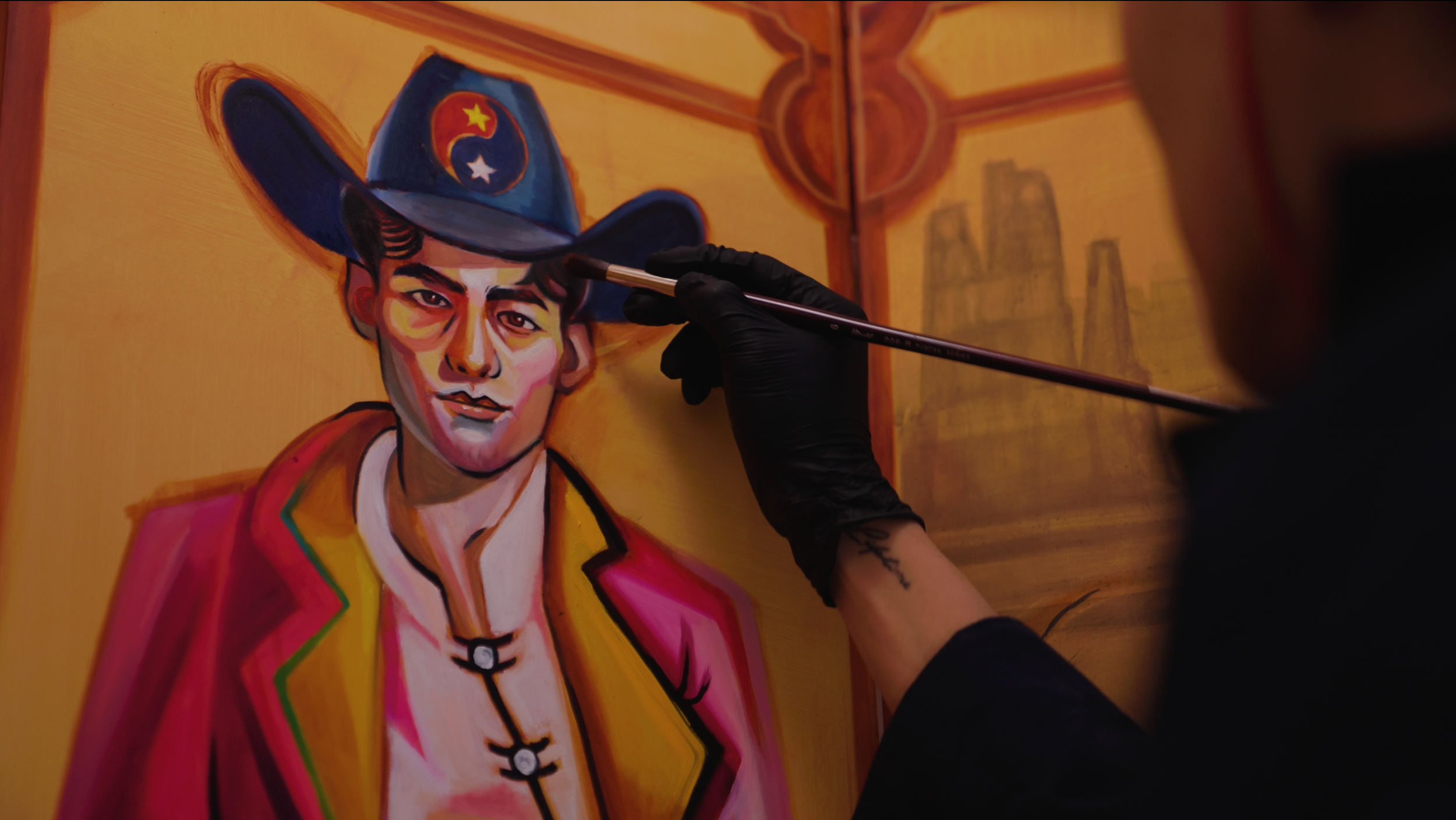
I meet Jonas in his art studio in Watson Hall, a building full of liminal, white windowless hallways that seem to stretch into the very bowels of the city. Emerging from the elevator, Jonas immediately brings a sense of character and style into the space, with a bright smile and a decorated letterman jacket. He breezes through the door to his studio, and as sunlight streams into the hallway, I am greeted by light and color and play. The space is crowded with artworks of myriad mediums, unified by a striking primary color palette and reflections of his own face and form. He walks me through the space, pointing out the small ceramic figurines of his Chinese cowboy, a character that recurs through much of his work. He notes a few of his influences for the oil paintings, illustrations, character spreads, painted fans, and sculptures scattered across the room, with cultural divide and the immigrant experience both prominent themes throughout his work.
Jonas describes himself first as “an artist” and second as “a concept artist who wants to—no, who’s going to work in the game and film industry.” A concept artist designs the visuals for video games, films, and animation, defining the aesthetic sensibility and the form of the characters and environment, and commands the visual core of a project. This sense of drive and purpose is ingrained in all of his work. As the son of two architects, with a natural aptitude towards art, he grew up as “the art kid,” encouraged to pursue art as long as he can remember. As he reached high school, he started to realize that there were careers behind the art that he loved: “I realized that there are a lot of artists behind the scenes that make these projects come true, that’s how I discovered concept art, entertainment design, and art direction. So I bought a bunch of concept art books from my favorite games and films.” Discovering these concept art books was a turning point in his art practice. He was inspired to try his own hand at character and concept design, and loved it.
This became an internal drive for his art, especially now that he knew that there were full-time artists responsible for creating the visuals behind his favorite visually striking games like Disco Elysium and Cyberpunk 2077. “I was so amazed by the process they did to create these masterpieces,” and realized it was a career path he could actually pursue. He began developing a portfolio and initially set out applying to art schools. At the urging of his parents, however, he branched out, including liberal arts and other generalized higher education programs to his list, and ended up opting for a more holistic liberal arts education at Columbia. “I want everything, but you can’t always have everything” he says, discussing his desire to learn and grow in all directions, but laughs, admitting it can spread him a little thin at times.
“In my first semester, I tried to take Columbia as an art school. Usually visual arts majors spread out their studio classes throughout their four years, right, like you probably take one studio class per semester, because studio classes are six hours long…but I took three, first semester.” He says with a laugh, “I took two oil painting classes, without knowing how to paint oil.” He produced more than twenty paintings in his first semester alone, diving in head first into his fine arts education. “It was very fun, but I didn’t get to socialize a lot,” he chuckles.
This intense sense of ambition pushes him to create, but has also provided challenges to his practice, particularly of fine art. He explains how his immersion in concept art has changed his experience of fine art: “concept art is more like, you get it right away, it's more commercial. At first glance, you want people to get the character's personality, mood, occupation, overall, right away…but then for fine art you don’t really want people to get it straight away.”
Fine art has a different fundamental motivation, “painters don’t make paintings to sell them, they make paintings to express themselves, and if they sell, they sell.” Although he believes that concept design is certainly personal, he admits that “if you’re working for a big company, you’re not really working for yourself.” More than this, however, he emphasizes the intimate nature of fine art: “For films and games, it’s all storytelling, even the concept parts. It’s like, when you see a character, you can feel where they come from, you sense their story…But then for fine art, it's more about—you have these thoughts in your heads, dark, nice, or like these dreams, and I try to visualize these thoughts, to try to make sense of them.” He starts laughing, “It’s like therapy, but in a visual medium. Instead of talking to someone, you paint, and see if you can get healed from that!” His influences and inspirations for his fine art and his filmography show this deep sense of interior exploration.
“Even my films are self therapy in a way. Like I made a film about the Chinese cowboy—it’s really just me overcoming my identity crisis being an immigrant. Back in high school, there was a lot of racism during the pandemic. And then trying to come between, or figure out how I fit into these groups, like the international Chinese versus the American Chinese type. I’m not fully a part of either of them, so it’s that diasporic identity that I’m trying to explore.”
Dialogue is sparse in his film, instead dominated by sensory detail: the rush of wind as a train approaches, a sip from a red solo cup, the dim lights of a college party. It immerses viewers in the feeling of a moment, rather than a theoretical analysis of an identity. His explorations of identity are instead lived. The vibrant red cowboy hat featured in his oil paintings, ceramic sculptures, and which sits atop the head of the Chinese cowboy in his short film is emblematic of this iterative self interrogation.
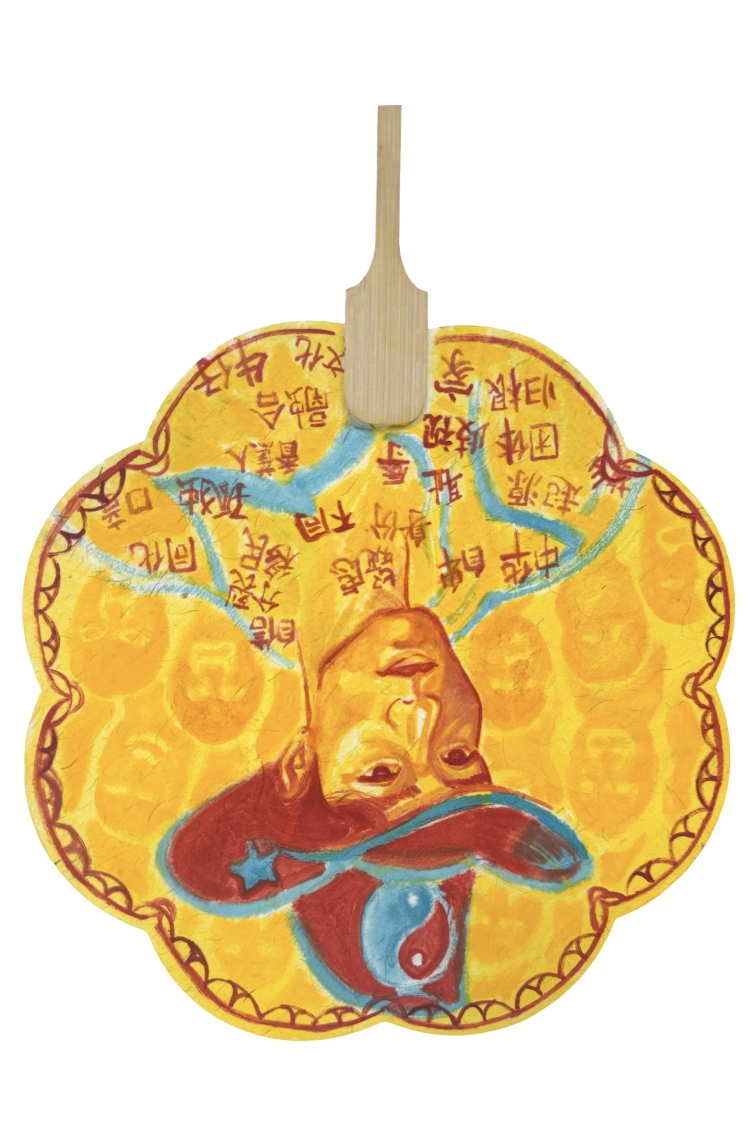
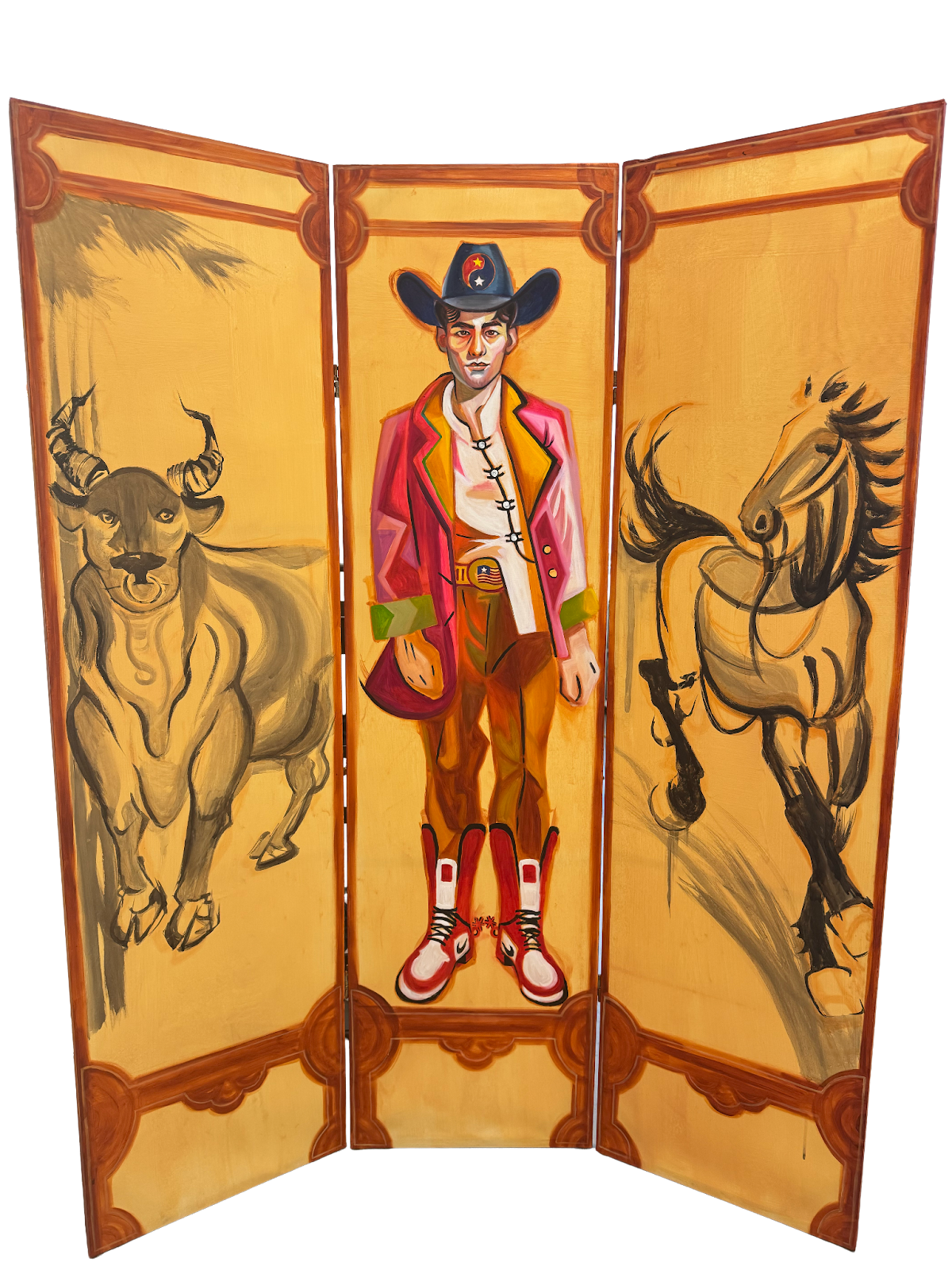
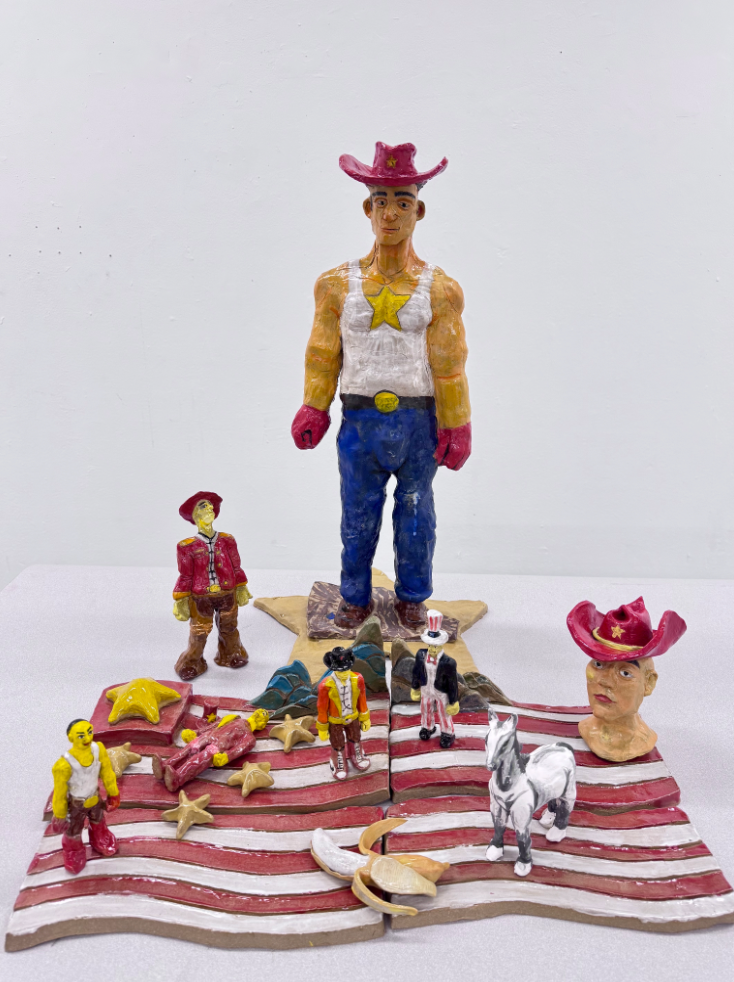
The Chinese cowboy is a part of both of Jonas’ senior thesis projects and was inspired by how Chinese American artists historically grappled with the Chinese Exclusion Act, the Chinese railroad, and the Chinese immigrant experience at large. This research into historical Chinese American art revealed to him that “there’s not a lot of Chinese American artists,” particularly in his own spheres. However, he deeply admires how those who have come before him have put their experiences to the canvas, and hopes to carry the torch in his own work. In fact, the experience has brought him solace: “I’m kind of healed by making this film and making all these paintings and connecting with myself. It’s okay that I don’t fit into a specific community.” His inspirations for art shift in line with his own personal concerns.
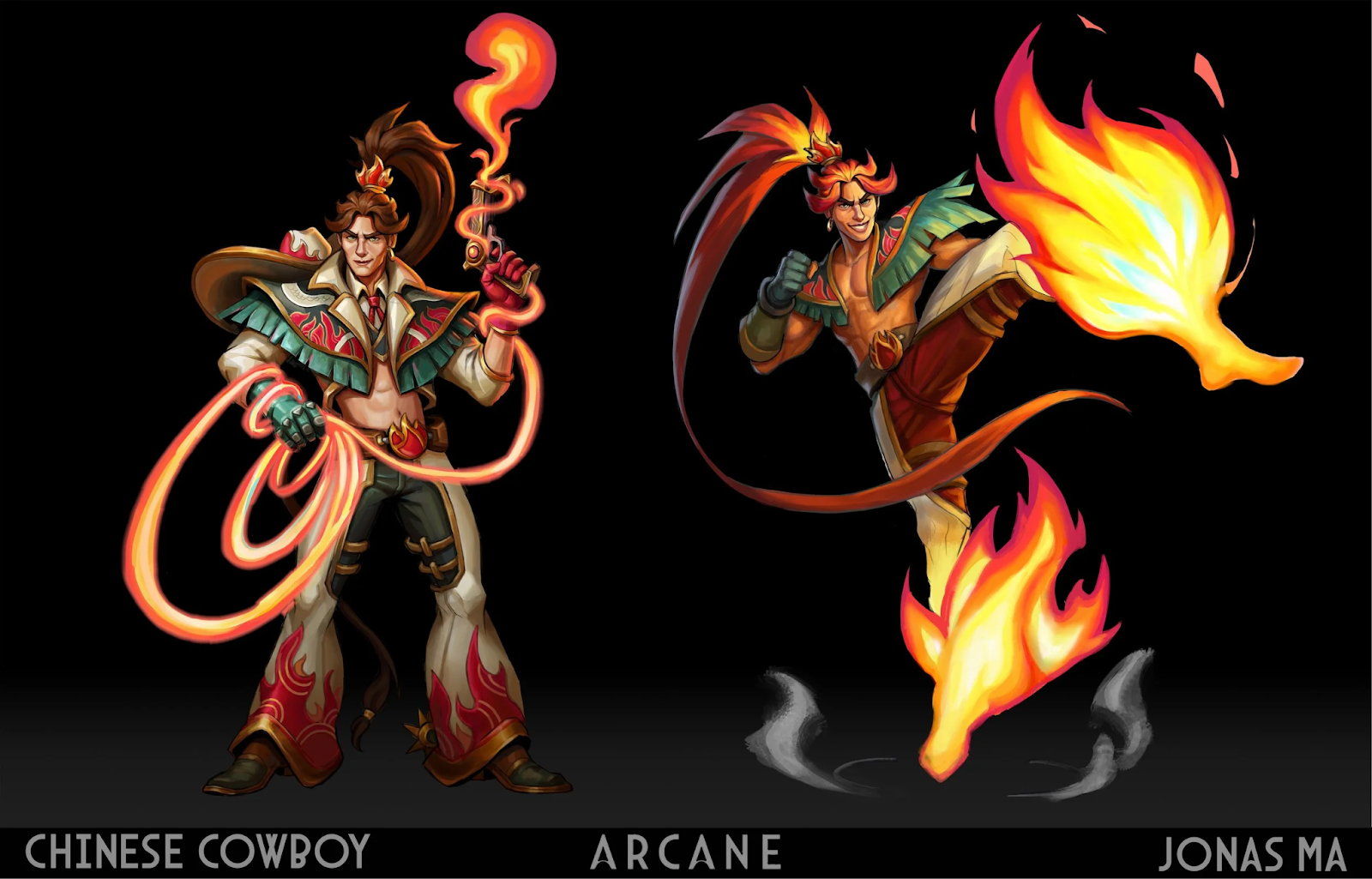
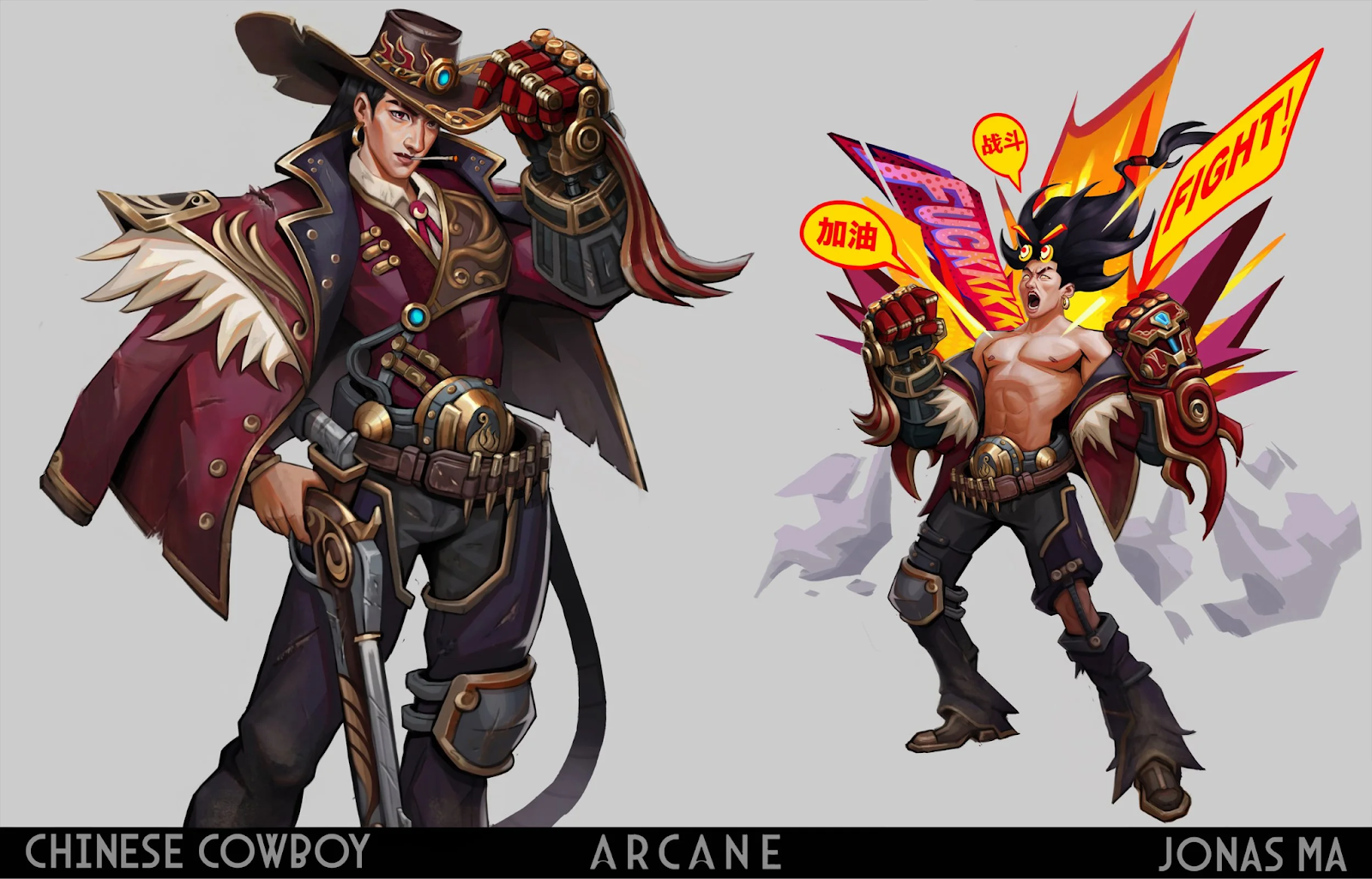
Working with his own game studio, Sunday Studios, on an entirely student-led, independent game has meant finding common inspiration with a large group of creatives. Since the bulk of the team are college students, they decided to frame their story around a halloween party at a frat house, something “fun, and exciting for us.” Then the process moves into understanding the characters: “Who are they? What’s their story? How can we tell it in the most inclusive way?”
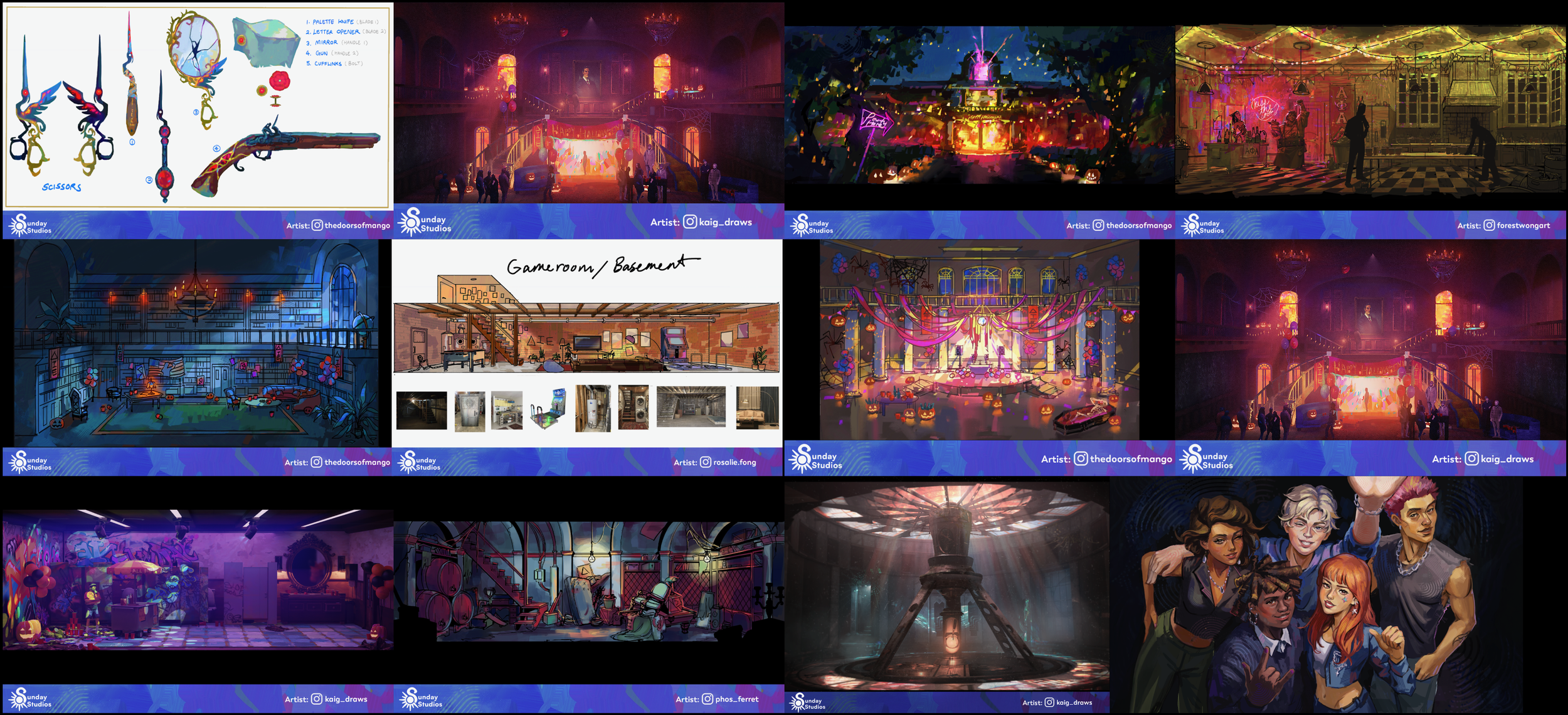
I inquire further about the actual artistic process of concept design, and he shows me the maps he makes when he starts concept art for a character. Hundreds of images full of references and inspiration crowd the screen, sectioned off into character aspects and facets. He explains that character development starts with a prompt from the writers, including the relevant details they want to be clear from a glance. Then, Jonas jumps into research, finding inspiration and a better understanding of the forms and features he plans to include in the character’s design. Only after this is complete does he begin preliminary sketches.
He shows me a few examples of these rough sketches, and then the intermediary illustrations that incorporate progressively more detail before color and shading is added to the final product. The research map and iterative sketches that go into creating the concept art for a single character show the depth of his care for the craft and for each of his characters. I am able to see the stylistic influences of animation that has inspired him like Arcane, Spider-Man: Into the Spiderverse, and the cinematography of Dennis Villeneuve and Wong Kar Wai in the colorblocking, playful color schemes and balanced visuals of Jonas’ environments and characters. Beneath each one lies a wealth of research and consideration.
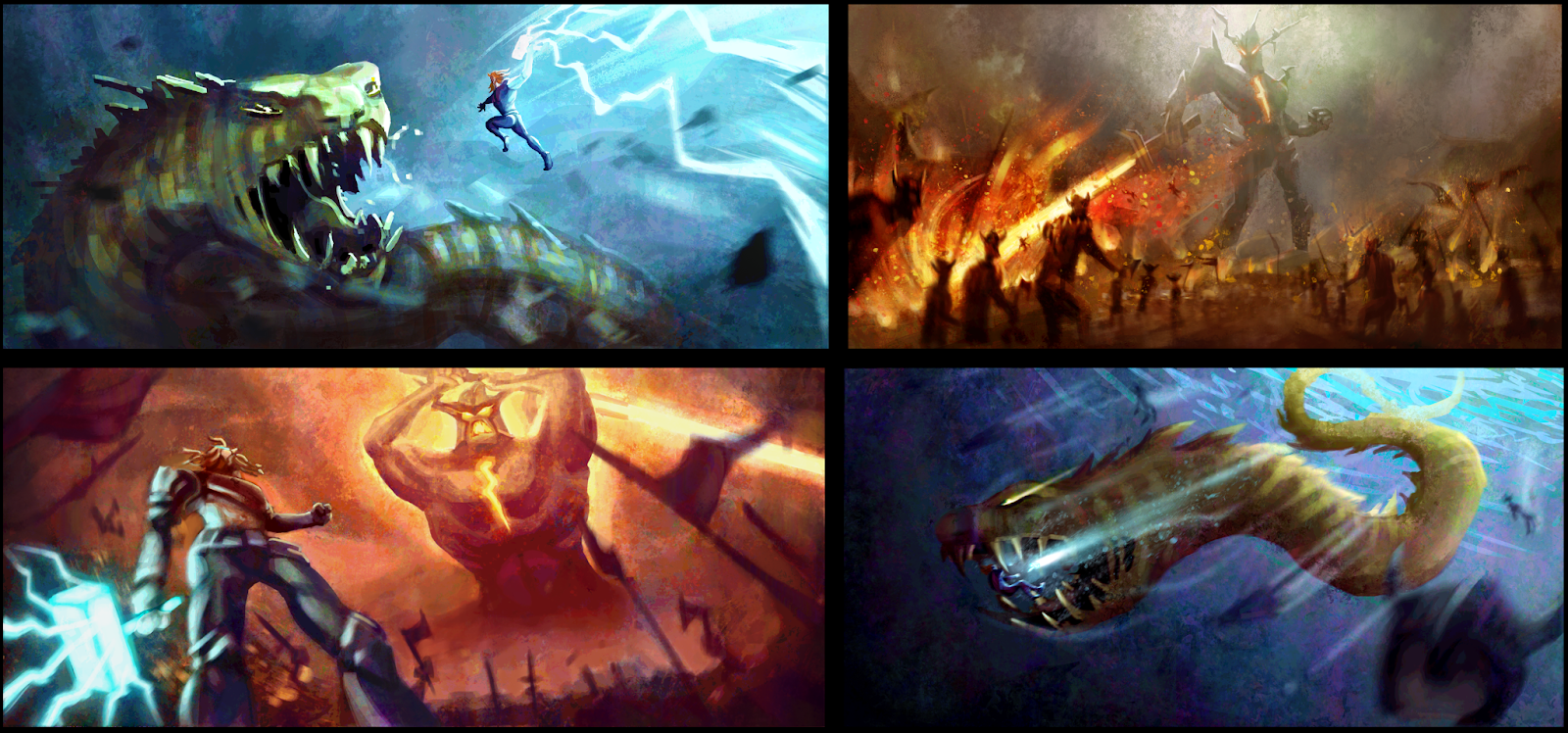
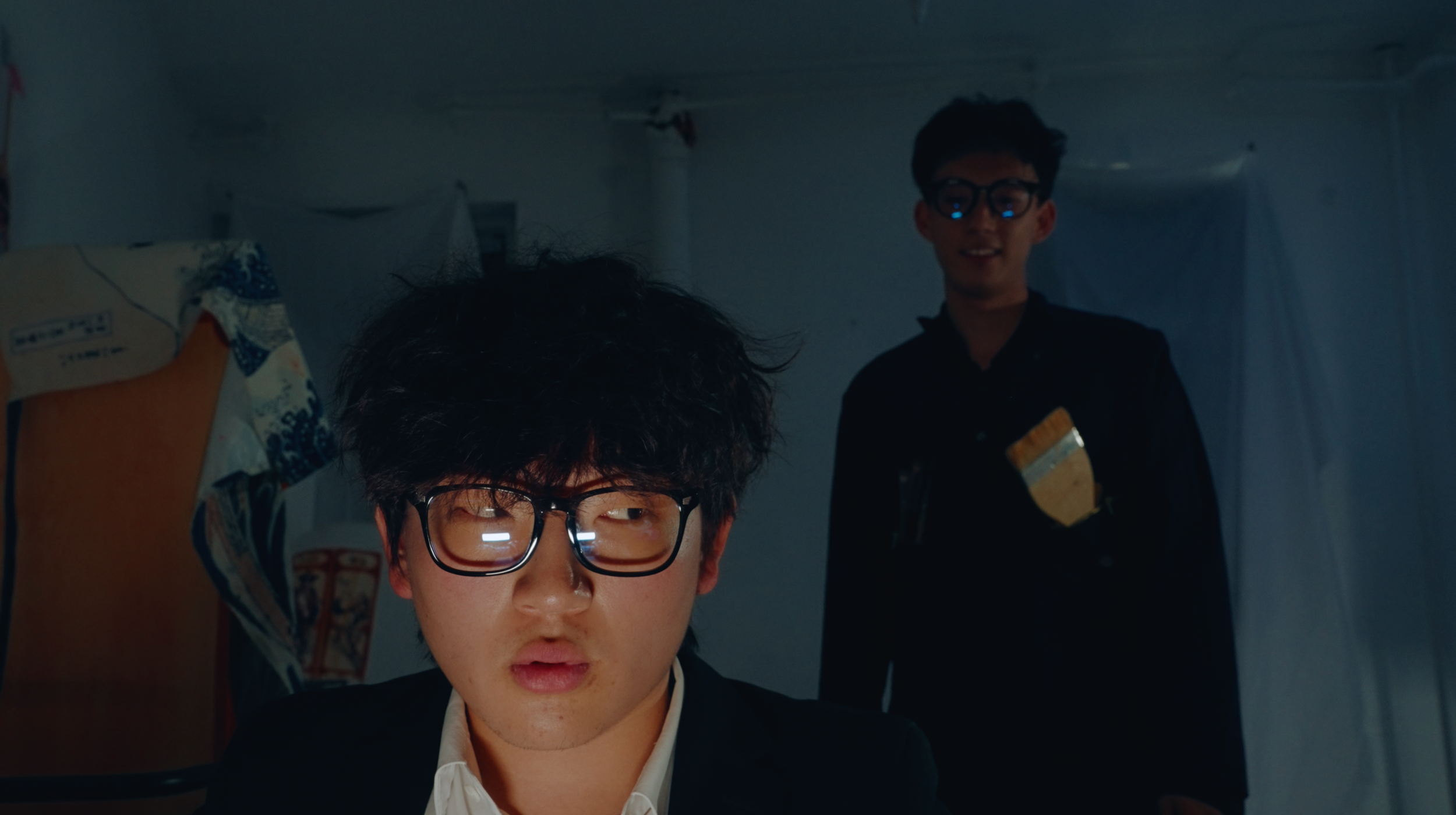
Nearing the end of our interview, I ask him about his upcoming projects. He lights up and says, “I’m actually shooting my second short film on Sunday!” The second part of his film thesis project, the short film is about the struggle of making a living as a young artist in the age of AI and social media. He shows me an animated storyboard of the script, and it is full of the same emphasis on sensory experience as “Chinese Cowboy,” with the clicks of a computer keyboard and the sighs of the protagonist forming the majority of the score. Its tone is different from his other work; it’s dry, funny, and self-deprecating at times. The shift in his interior landscape, a sense of growth emerges in this new work—a successful manifestation of this aim of using art to explore his inner world.