


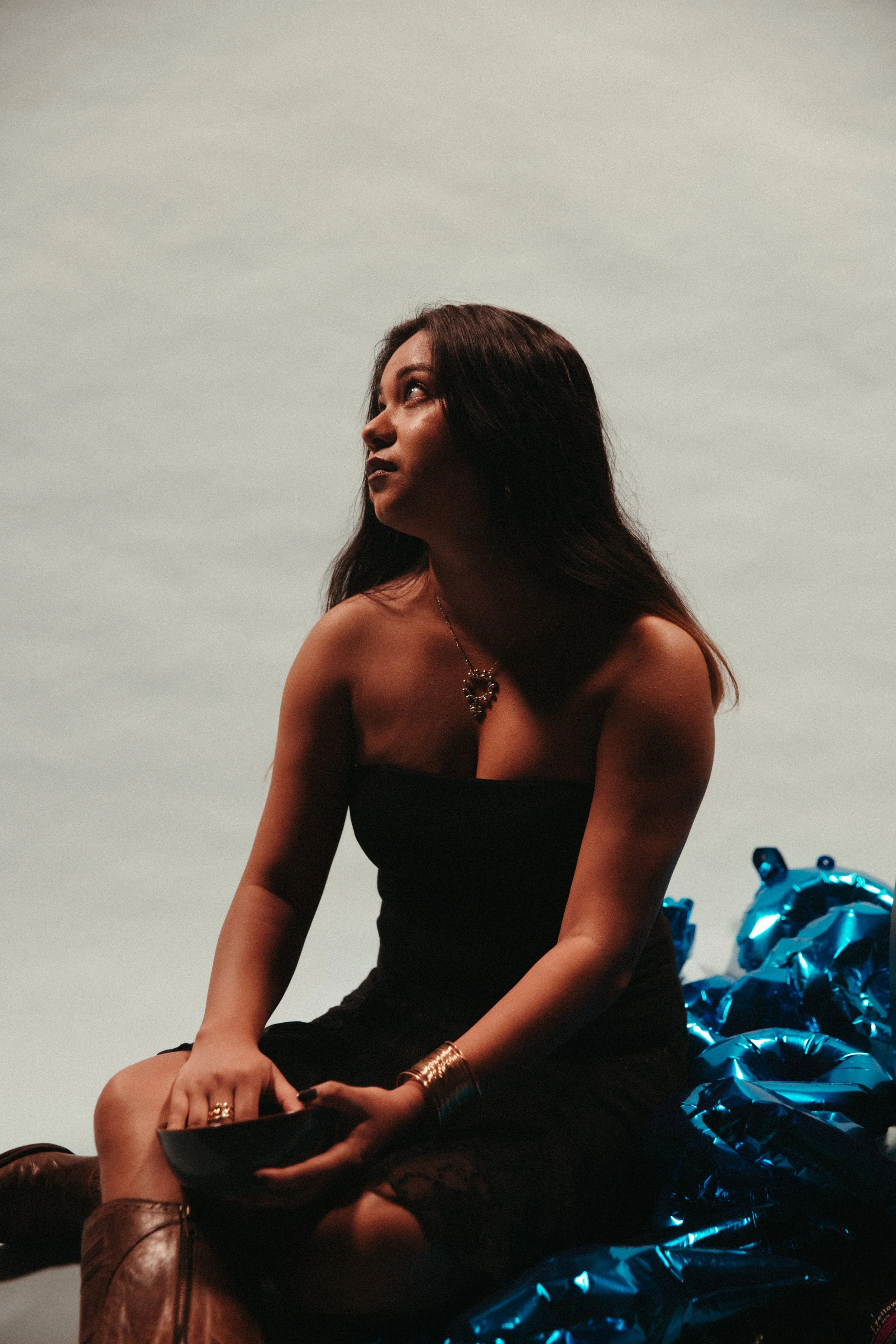


Feature by Vivian Wang
Photos by Sophia Zhu
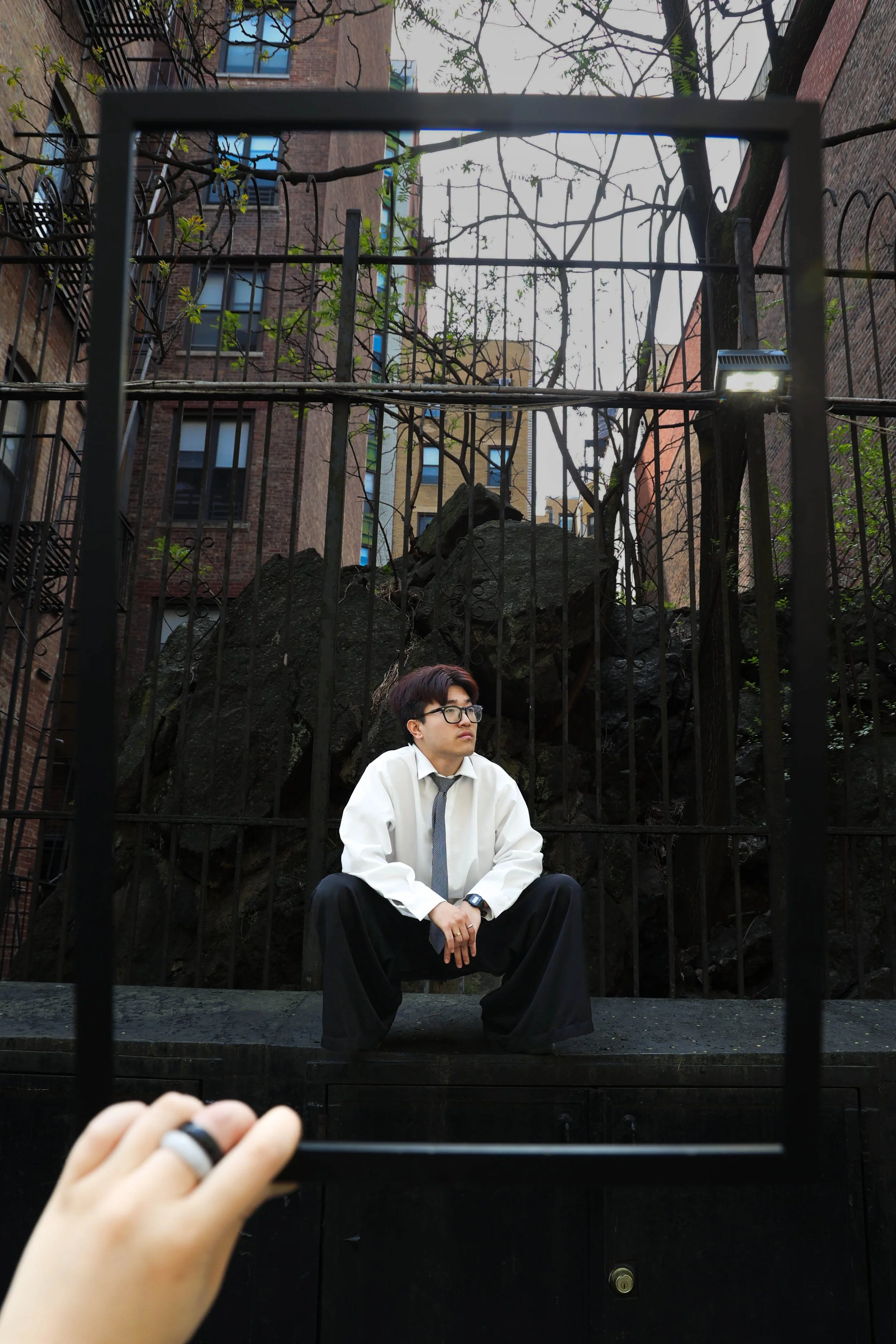
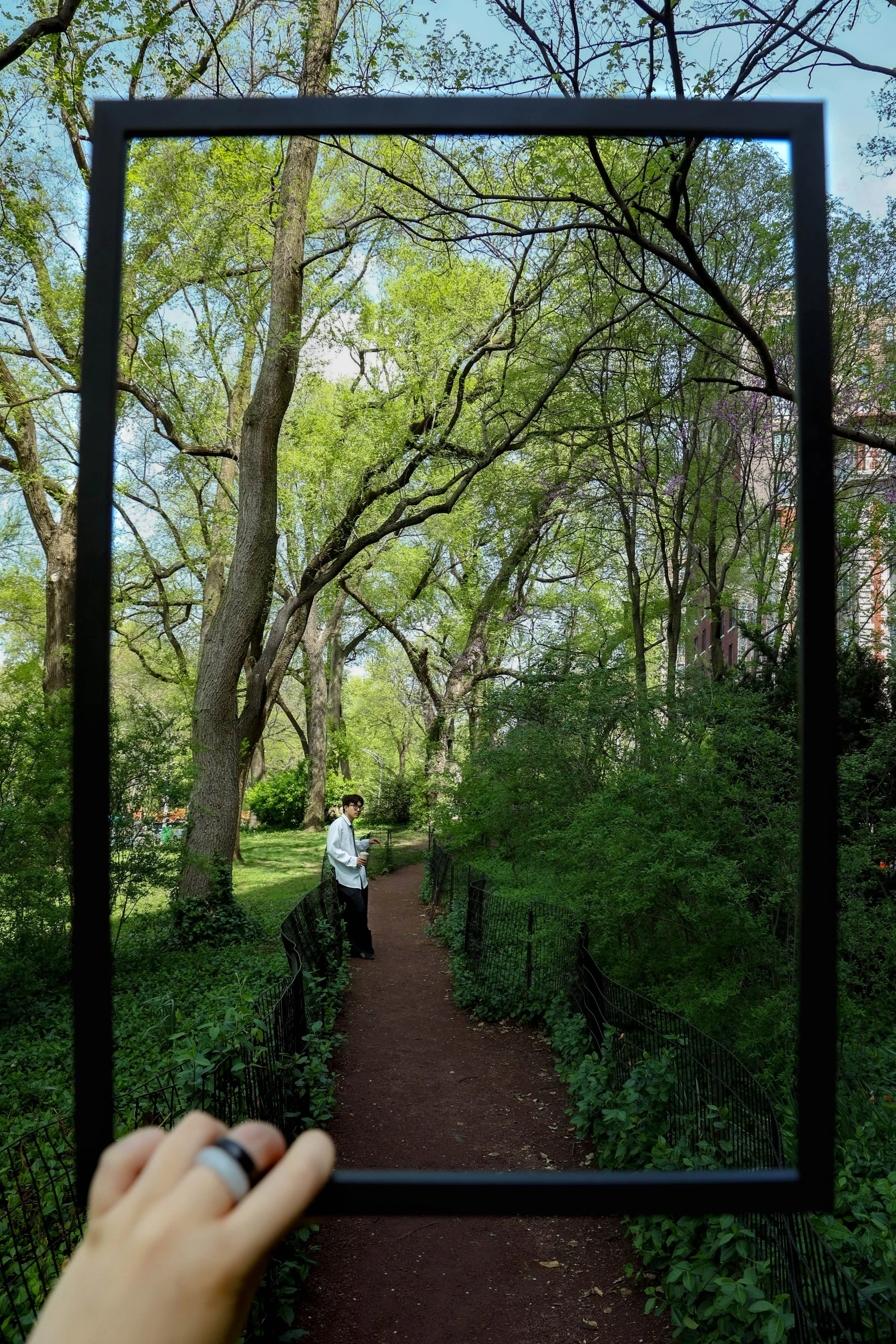
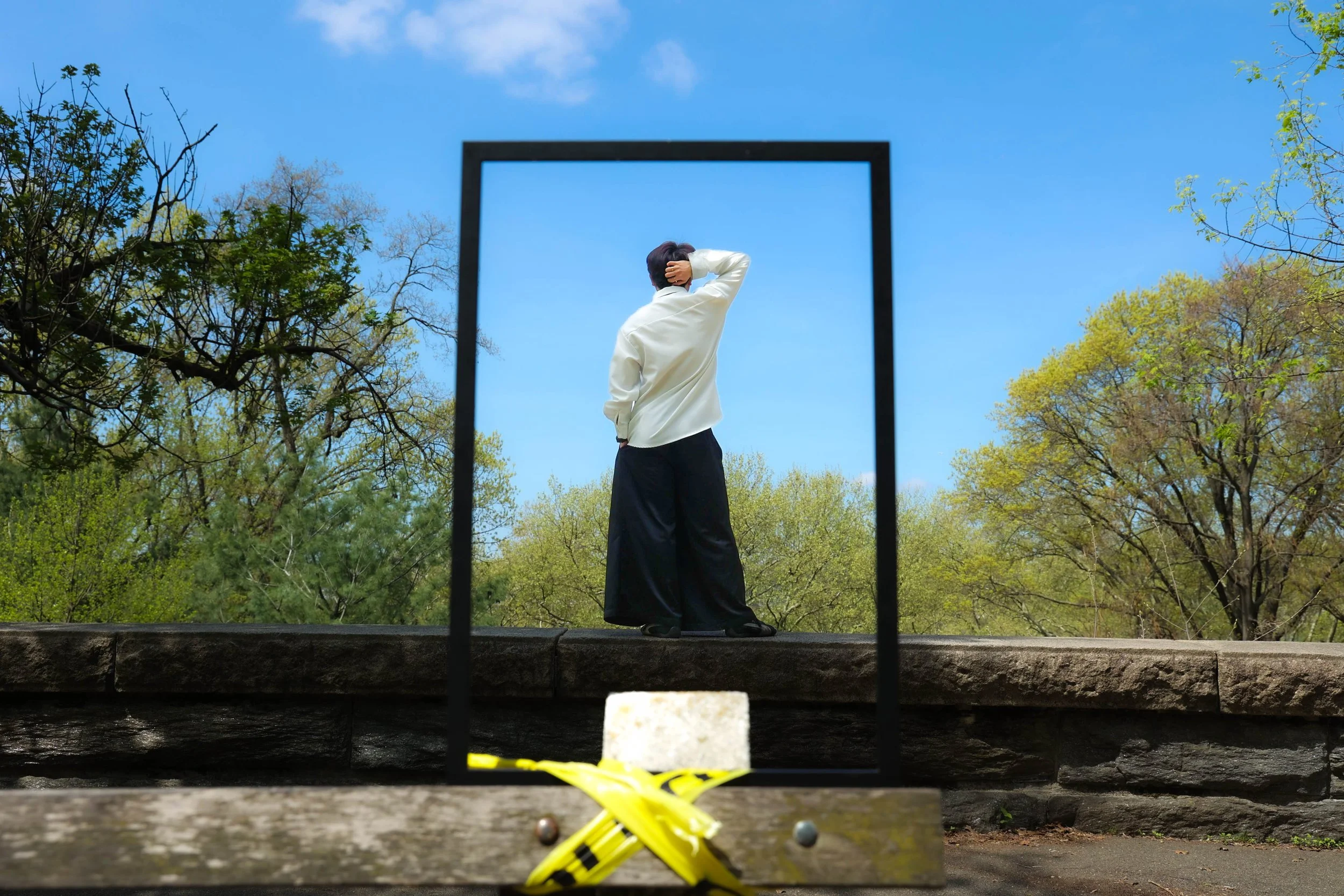
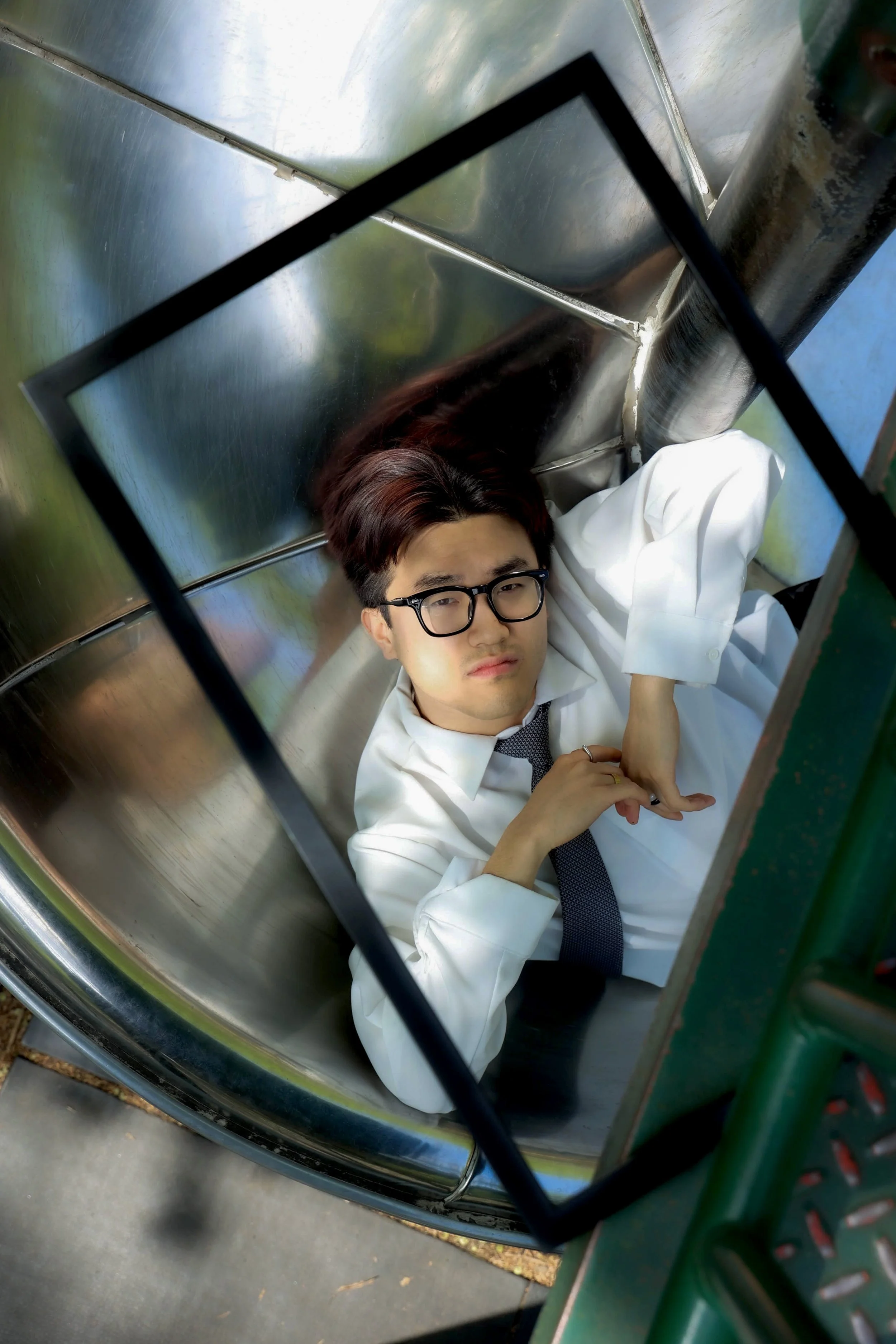
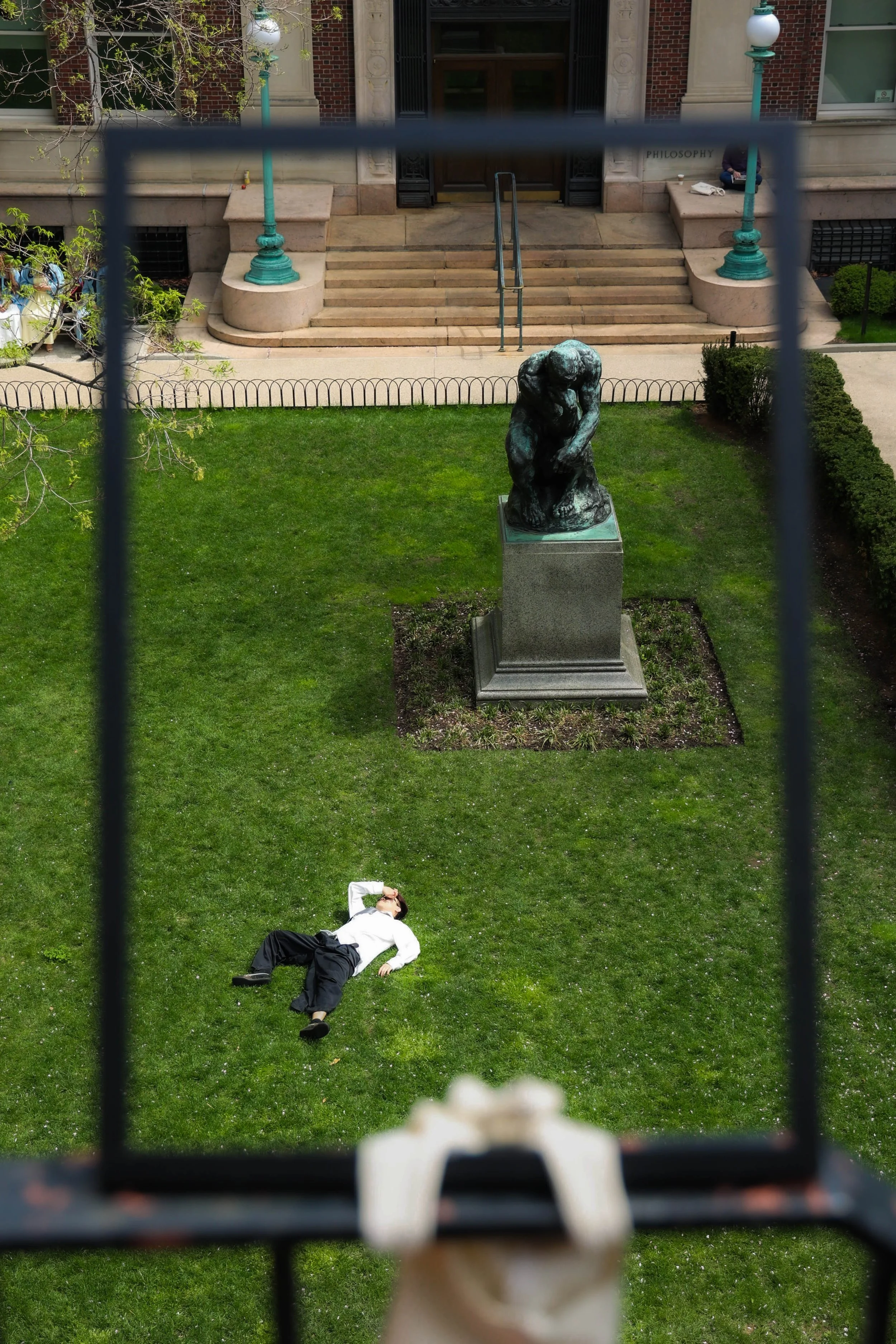
Will Park (CC'26) studies anthropology at Columbia, shoots photography across continents, and co-presides over Ratrock Magazine, though none of these titles quite capture him. Born to Korean pastor parents and raised across too many cities to count, he has spent his life in search of community and found that a camera is the most honest way he knows to say: he was there.
Excuse me, do you have a light?
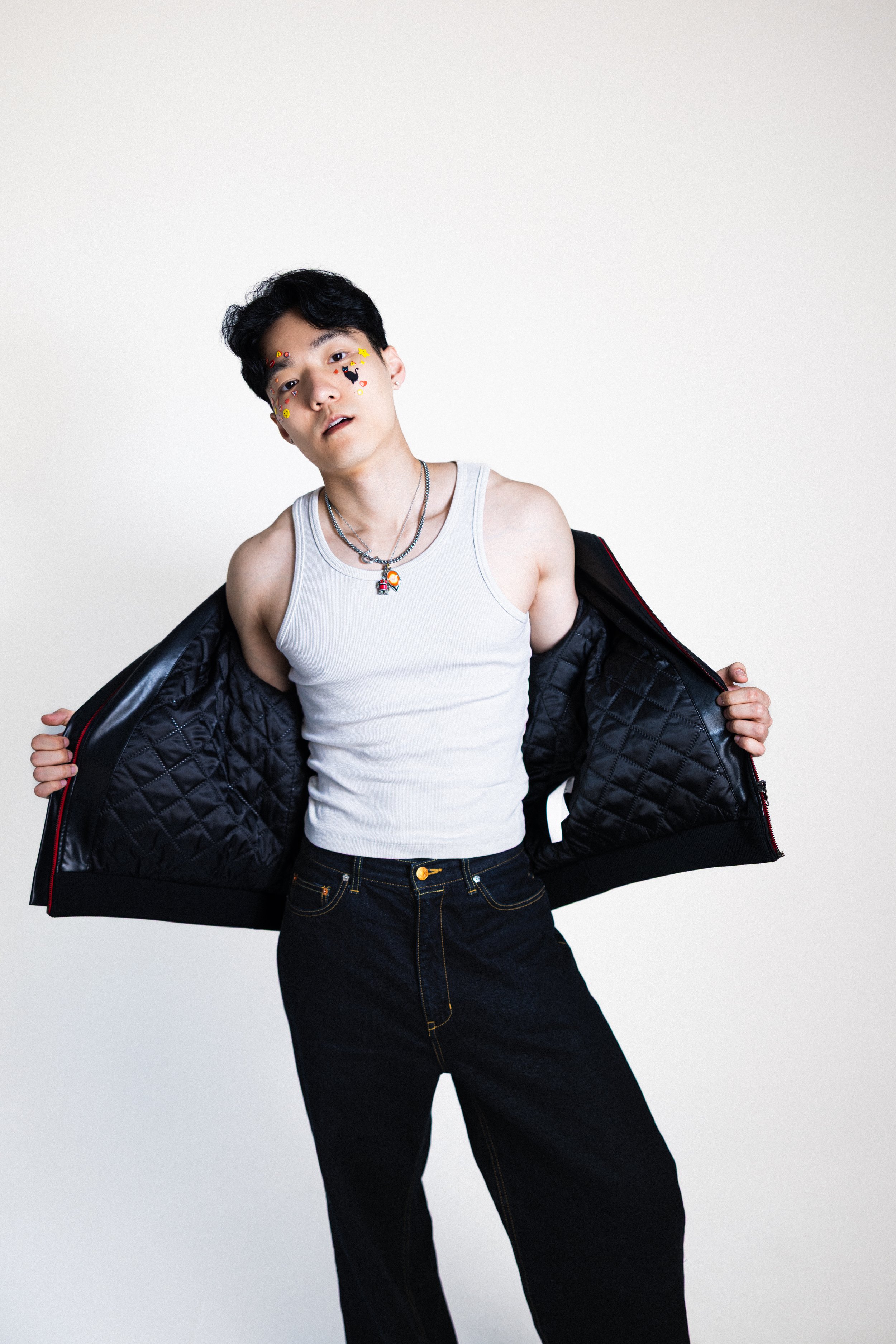
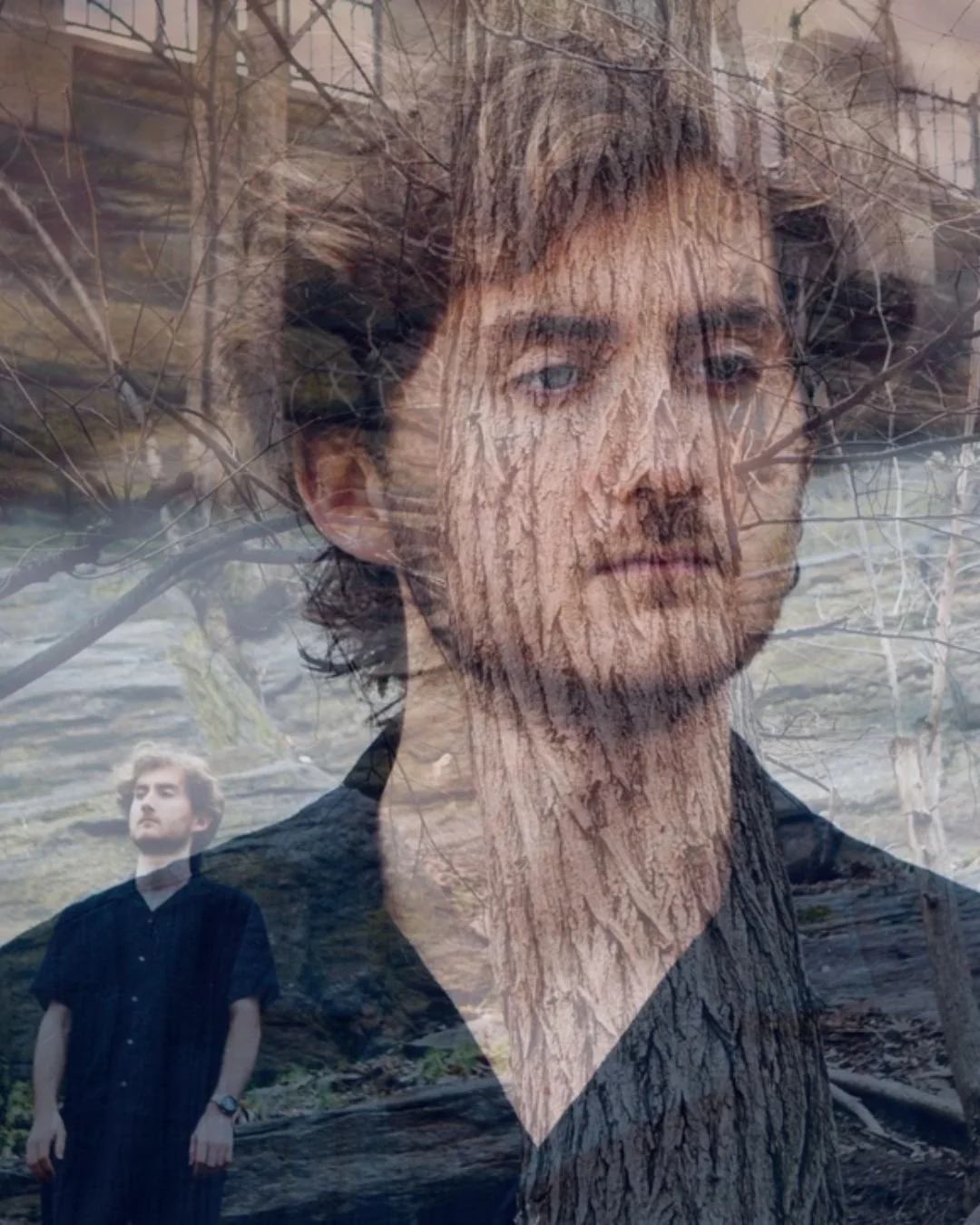
I met Will on the Low Steps on one of those tentative spring days when the sky oscillates between sunny and cloudy, and students bloomed onto every corner and crevice of campus. He was in head-to-toe black: a loosely fit tank top, dark trousers, and silver jewelry. His dark maroon hair and signature black-framed glasses completed his look, radiating something elusive and something mysterious (it was this very aura that had compelled me, rather strategically, to ask him for a light outside Butler Library during my freshman year, back when I was still brazen enough to talk to anybody.)
The first time I met Will, he was not as nonchalant as I had anticipated, but, two years later, he is still just as mysterious. He has a sly, catty smile—it is impossible to pin down exactly what he is up to, usually because he is up to so much. Energetic and bubbling, he is the kind of person who knows how to ask the right questions and provide the right answers. To condense Will, a never-ending onion, is a task so impossible it could be a senior thesis on its own. After two hours of conversation that too often drifted off-track, I was left with both too much and not enough information.
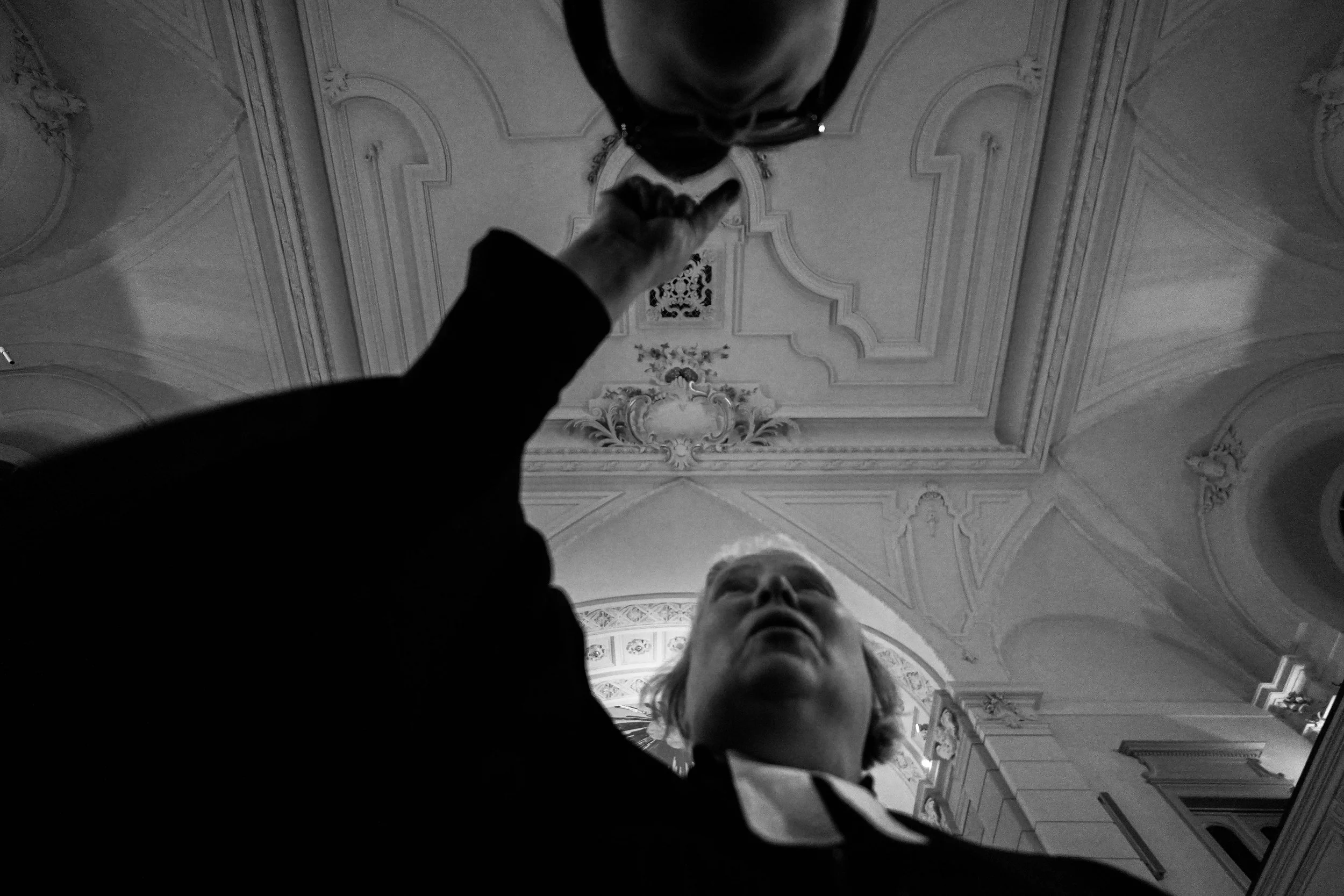
Sophienkirche, Berlin 2025
“I don’t have a ‘home,’” he stated simply. Born in San Jose, California to parents who were pastors in the Salvation Army, he grew up in almost perpetual transit: across the Bay Area to Korea, then towards Los Angeles, Arizona, Alaska, New Hampshire, before the current finally carried him to New York City.
Having pastors for parents had its obvious influences, and Will wove his own practice from that inheritance. “Everyday, I saw my parents working really, really hard and wanting to take care of this church community,” he told me. “So from a young age, it was really impressed upon me– this idea of your calling. I want to find my calling that helps other people like they did." The theology shifted, but the core ideology remained, replacing the pulpit was the lens.
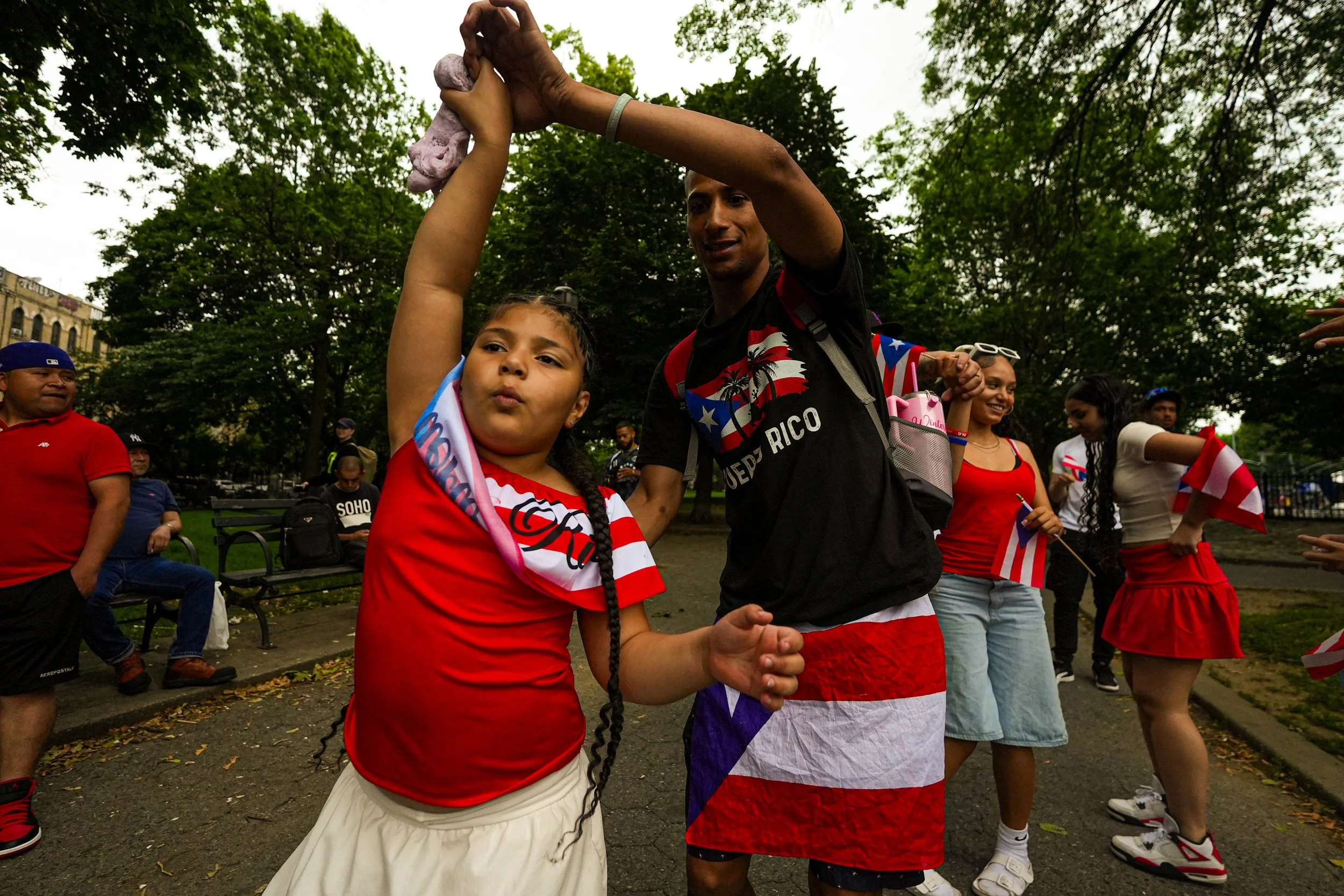
Puerto Rican Day Parade, NYC 2025
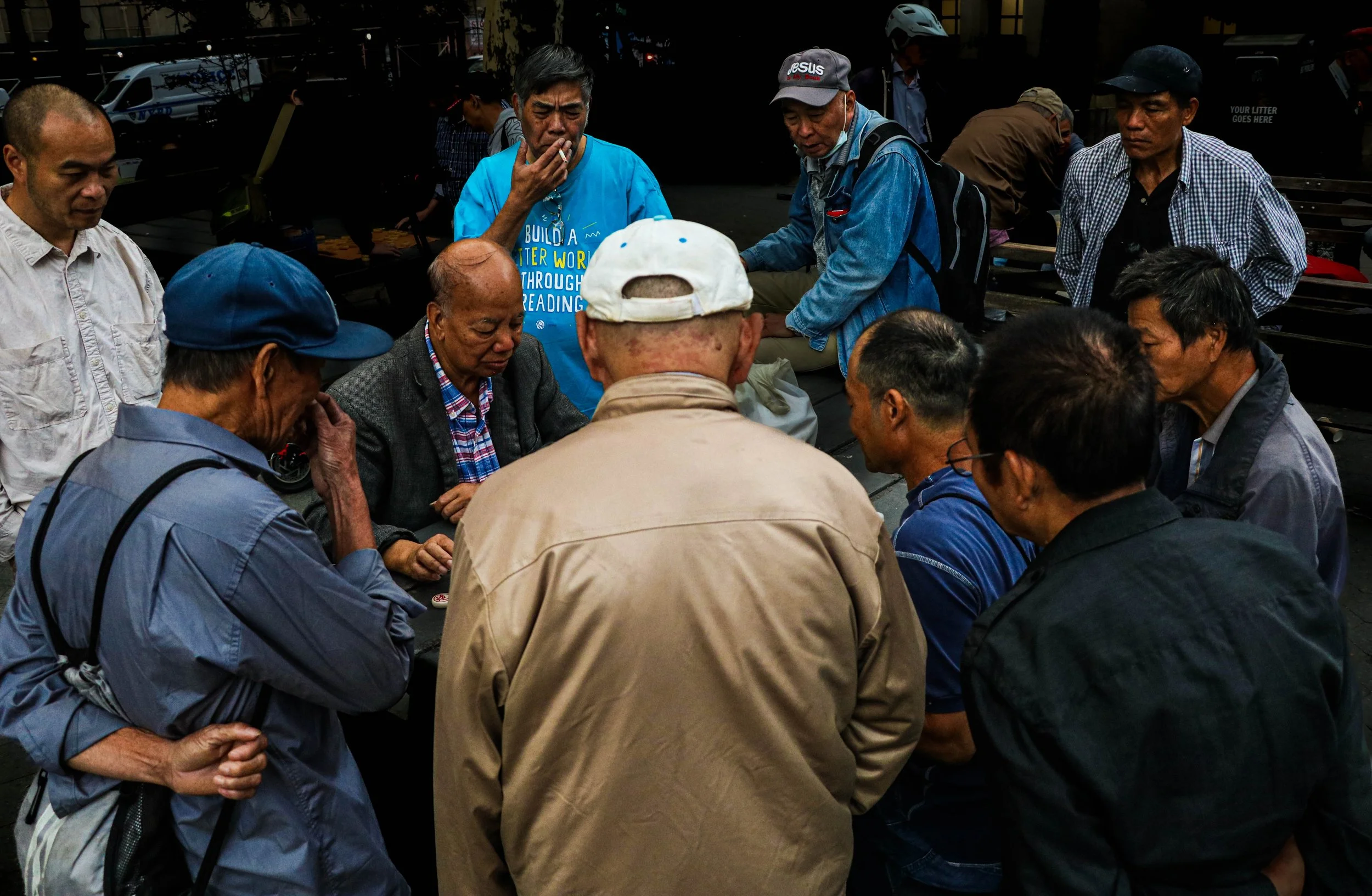
Chinatown, NYC 2024
Anthropology, the study of human community, culture, and connection, came instinctively to Will. His senior thesis, currently titled Making a Living: Creative Lives and Labors in New York City, examines creatives finding meaningful work after graduation. “The artist doesn't exist anymore… Instead, there’s this emerging thing of ‘a creative,’ where even if you’re not an artist per se, you’re doing creative work and navigating what that means inside late-stage capitalism.” In many ways, this project is Will’s self-portrait in the third person.
Will’s entry to photography was editorial: taking his sister’s Instagram photos. When he joined the yearbook club in high school, he held his first DSLR, which clicked in more ways than one.
“It was this way for me to go to events and talk to people and meet people when I wouldn't have a reason to otherwise. It was so gratifying for me to see these people putting a lot of love and labor into something and then having documentation of it and seeing themselves. And it was this small way for me to contribute back-a service.”
Susan Sontag diagnosed photography’s peculiar social function as a capacity to create connection in an otherwise alienating world, but where Sontag saw the camera as a tool of acquisition, Will sees it as a vehicle of belonging. His photographs enter rather than own a moment.
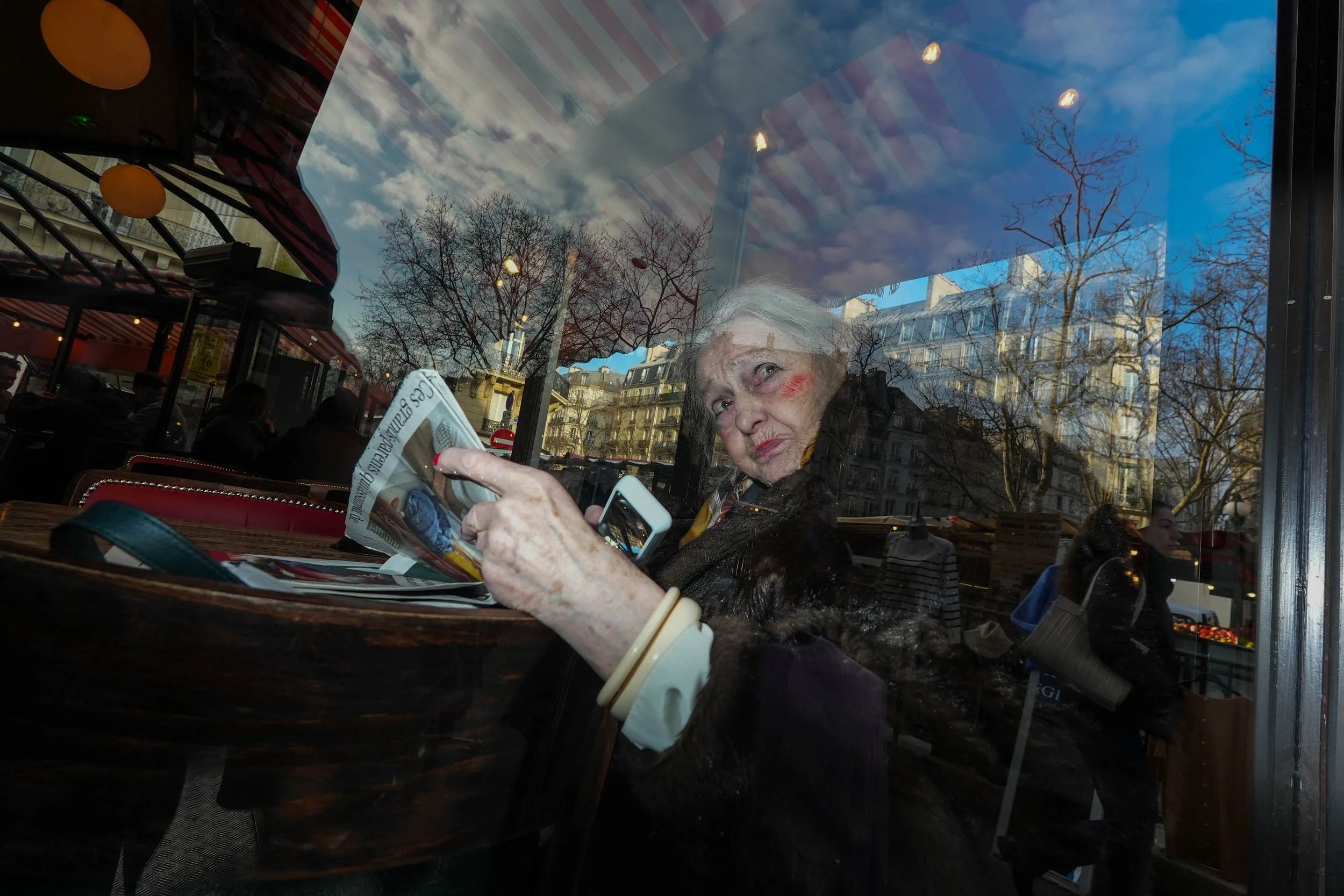
Paris 2025
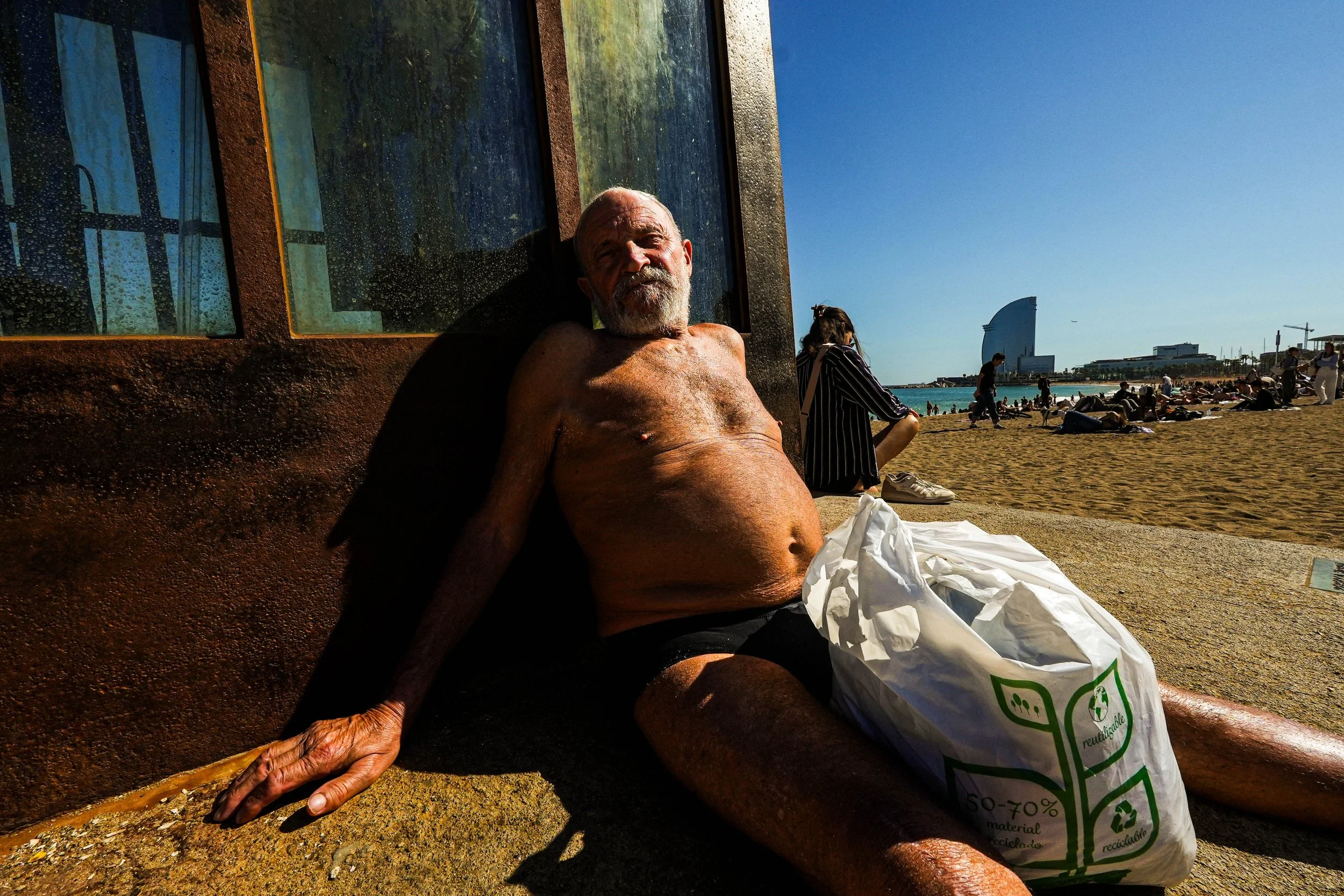
Barcelona 2025
Most of his work is shot digitally through a Sony A7 1V with an 11-millimeter wide-angle lens. From sweet California across seas to Jordan, to Indonesia, and finally to Berlin and Paris, he is the modern-day flâneur. Will’s work places an emphasis on the experience, the physical act of shooting, rather than extensive post-production editing. His time abroad was particularly impactful: “It was filled with me going to places, writing about it, thinking about it, taking photos and engaging. Going to museums and thinking ethnographically about the places that I visit and thinking deeply about things like living slowly and having conversations with friends, this is like the substance of the life that I want to live.”
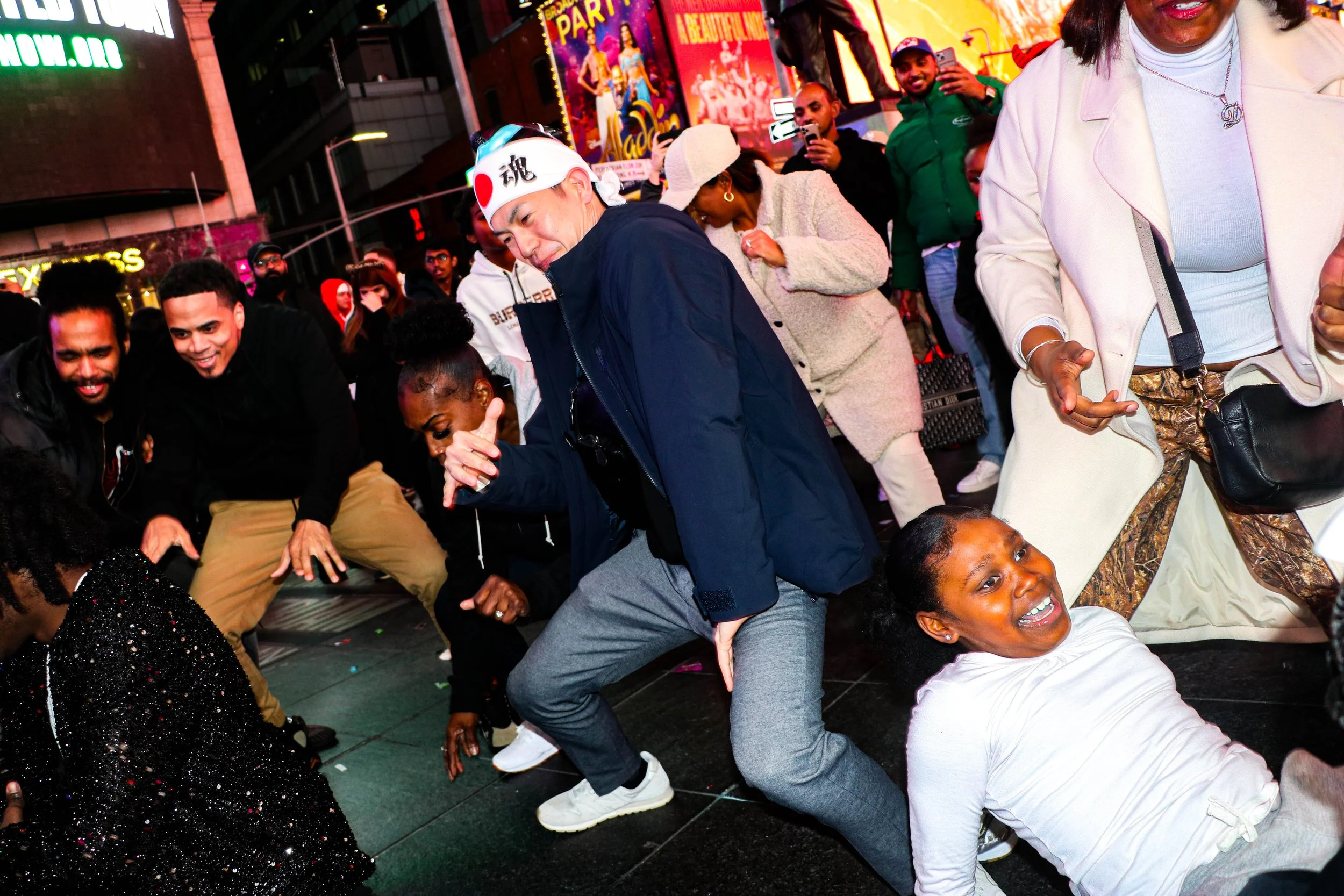
Halloween NYC 2024
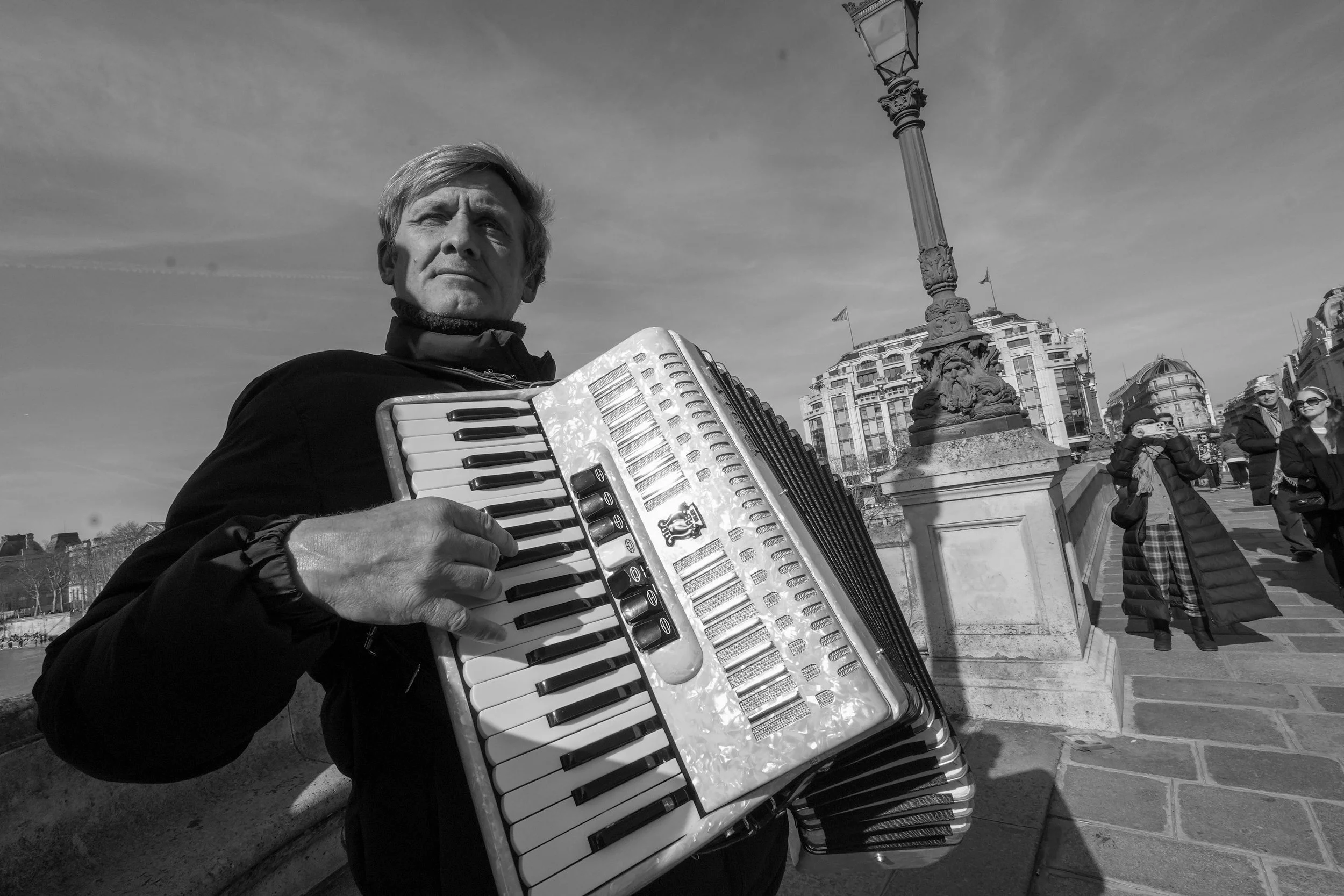
Pont Neuf, Paris 2025
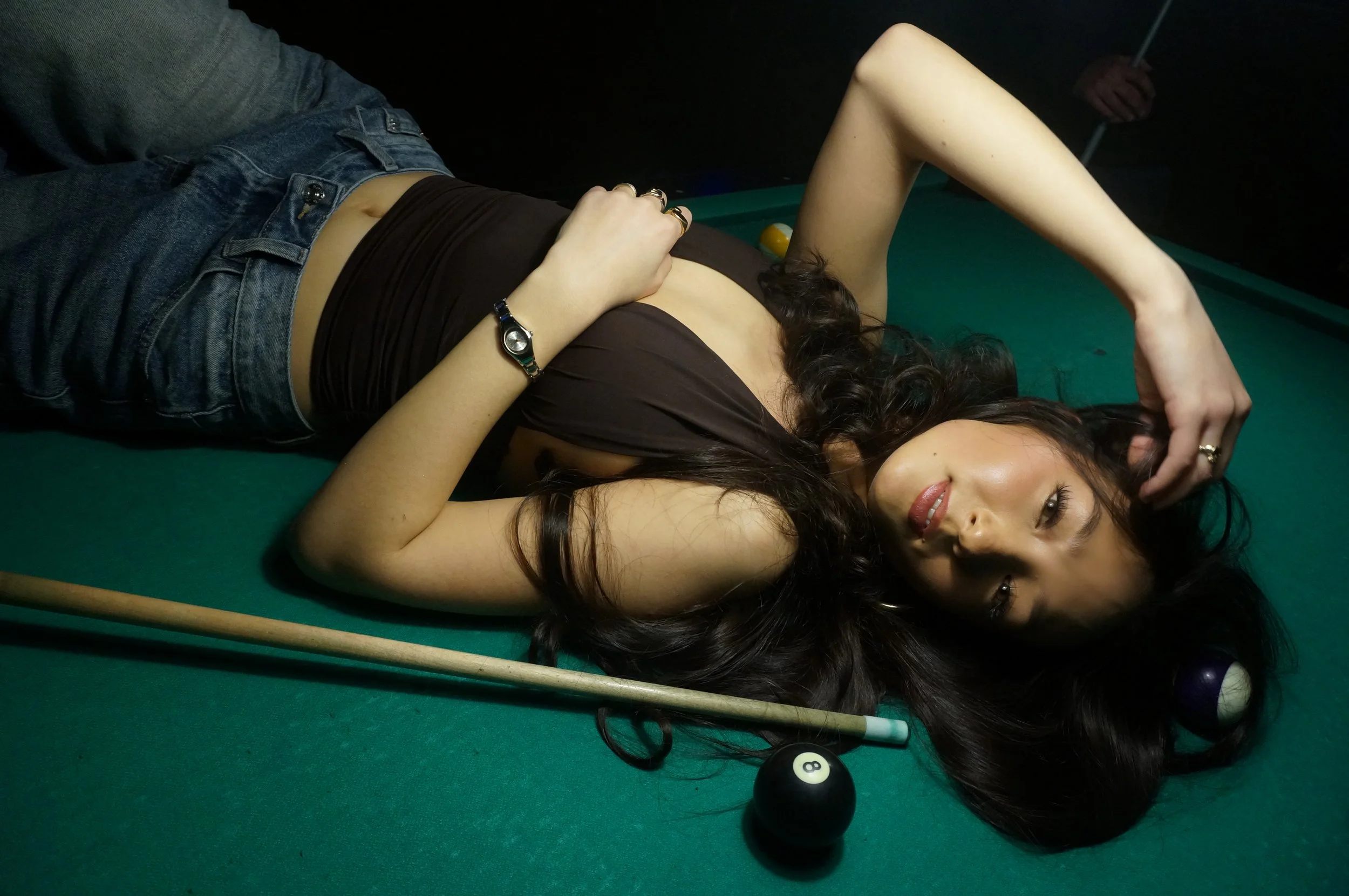
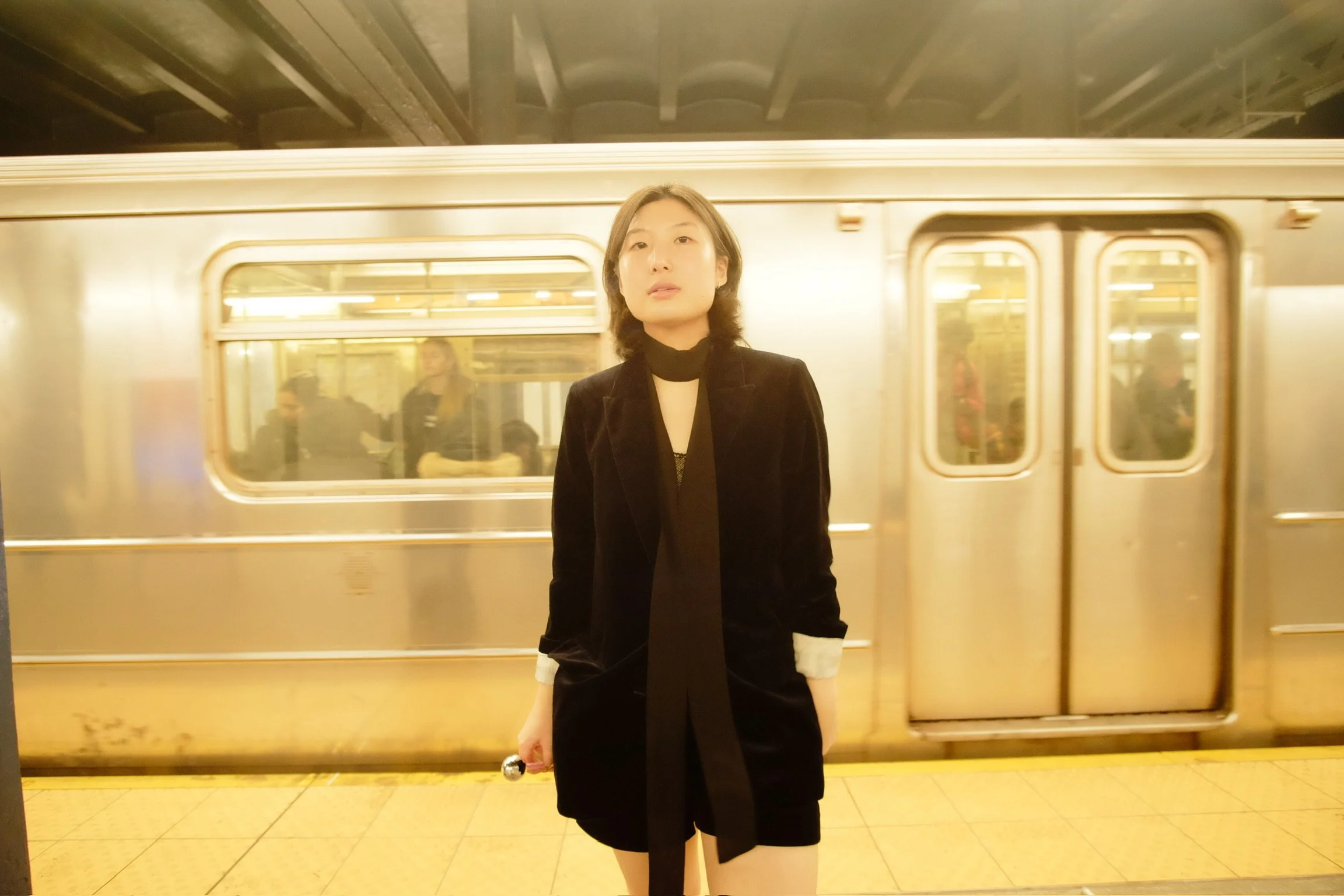
Across his photographs, Will captures raw celebrations of life with a distinct momentum. His work is centered around the punctum, some detail that “pricks” or “wounds” the eye, without quite explaining why. “I want something that pierces,” he said, “that sticks in my memory. I think getting closer and focusing on details is how you find the unique thing in it– like Barthes and the punctum.” His signature wide-angle lens allows for an almost unforgettable proximity to his subjects. This jarring, almost vertiginous geometry of some frames recalls Alexander Rodchenko’s constructivist angles; the spontaneous warmth of others expands on Walker Evans or August Sander’s ethnographic eye, but Will is his own person.
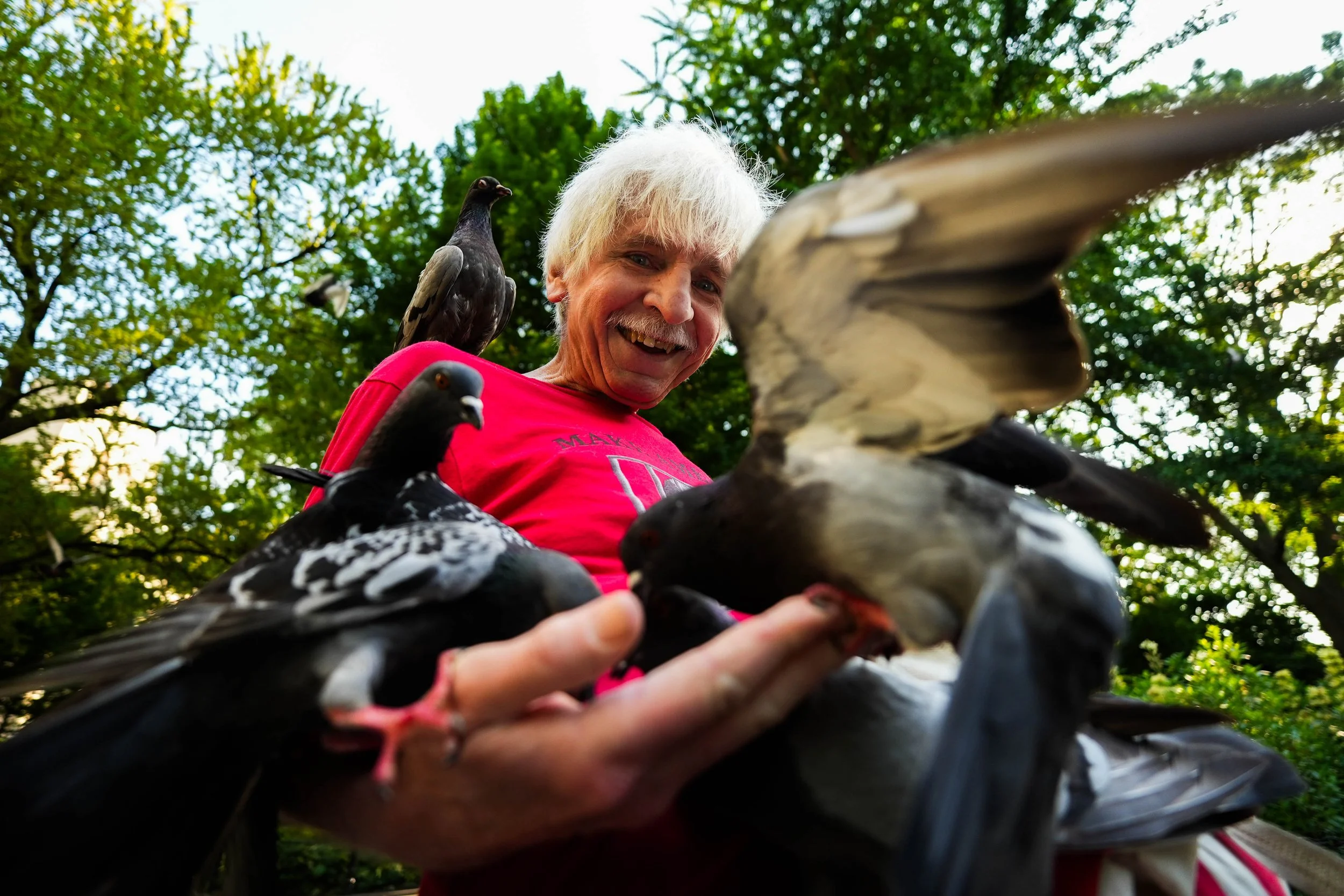
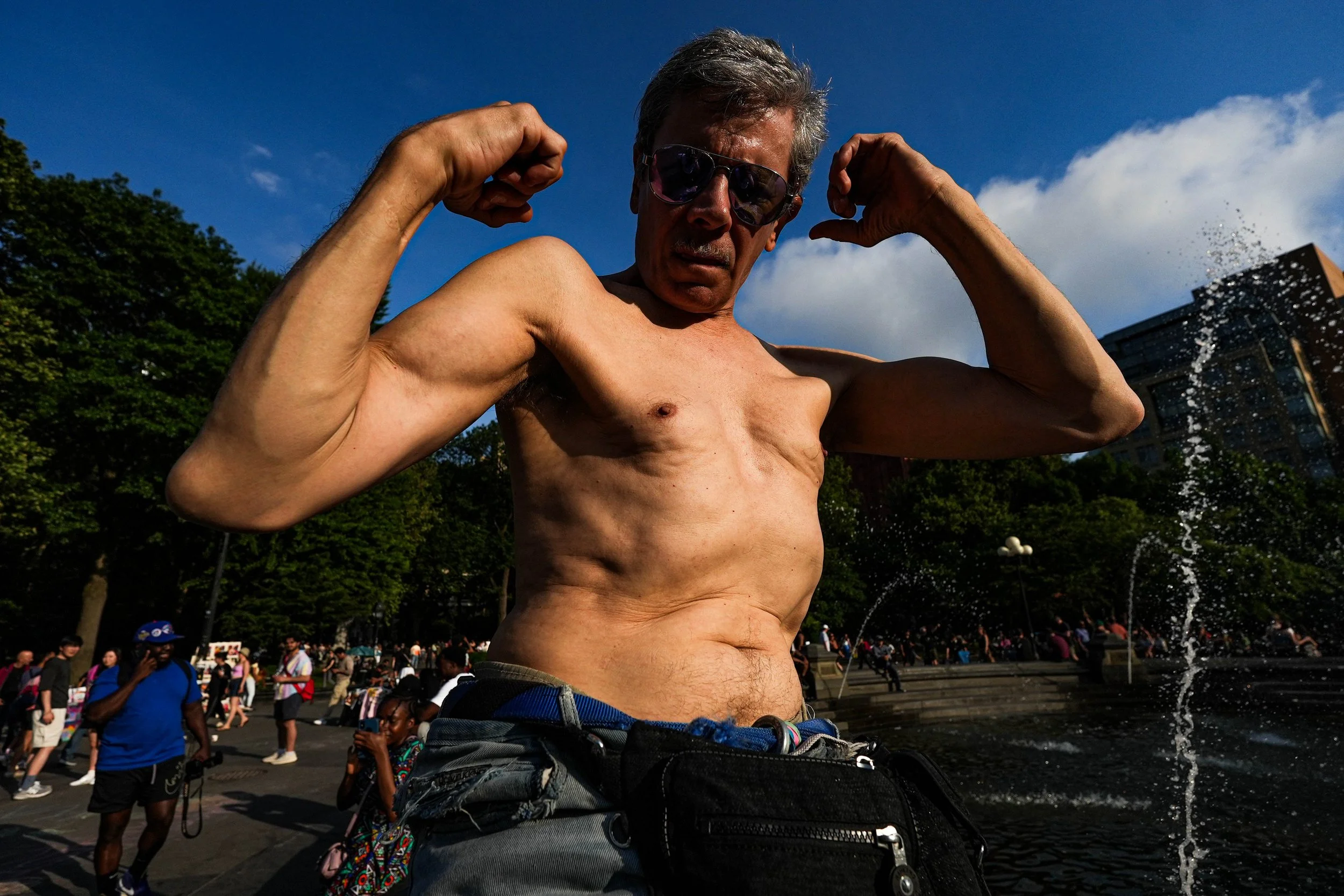
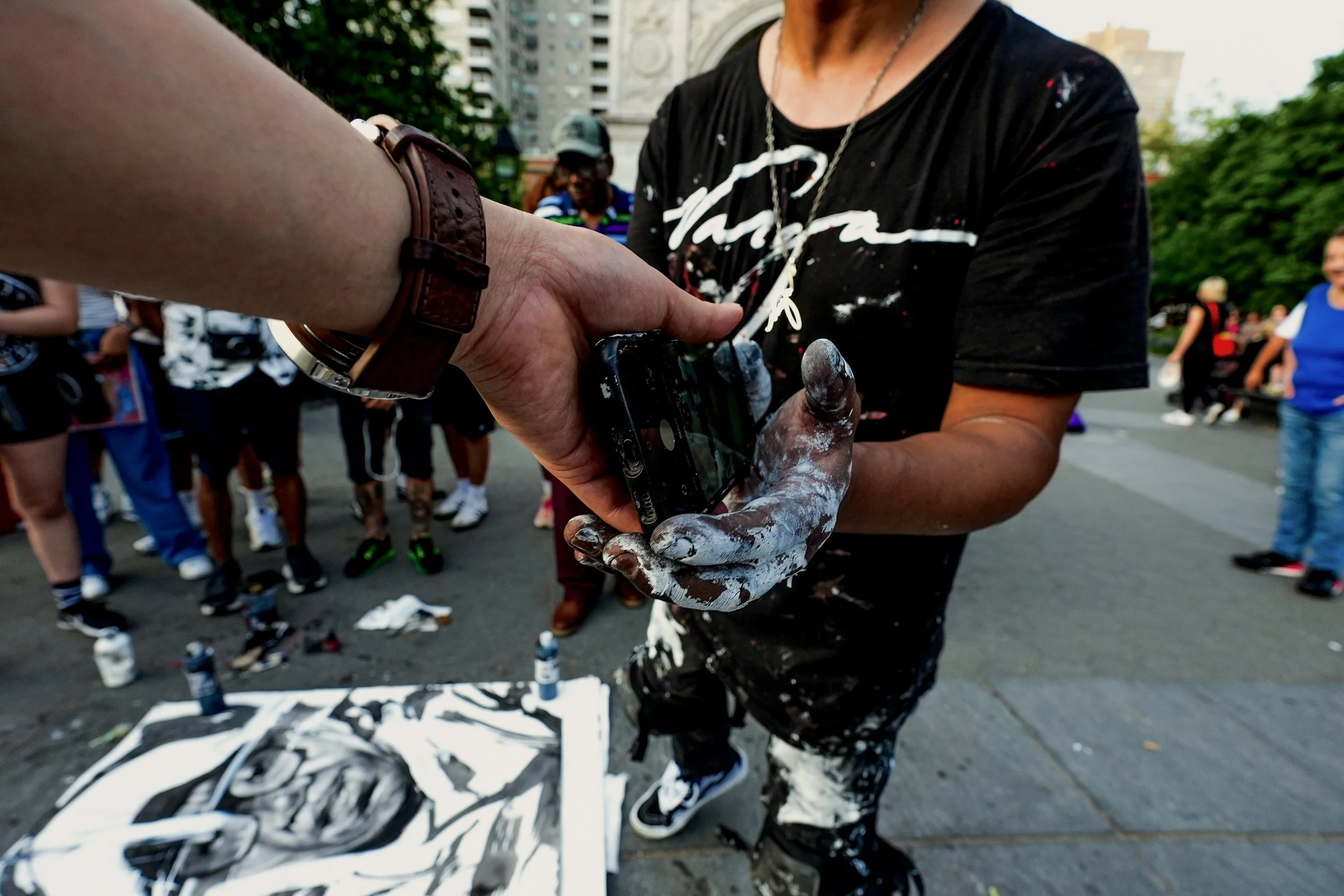
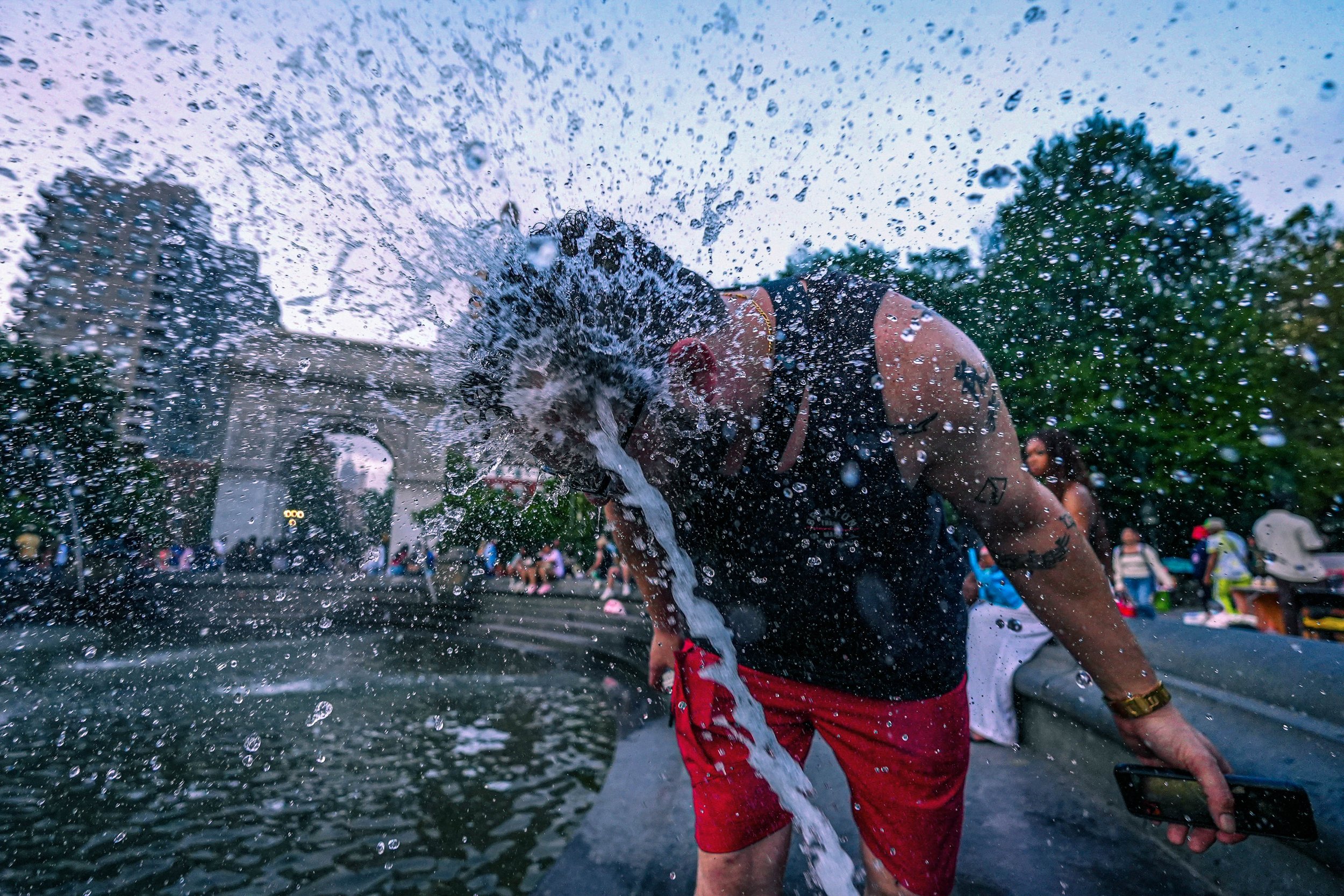
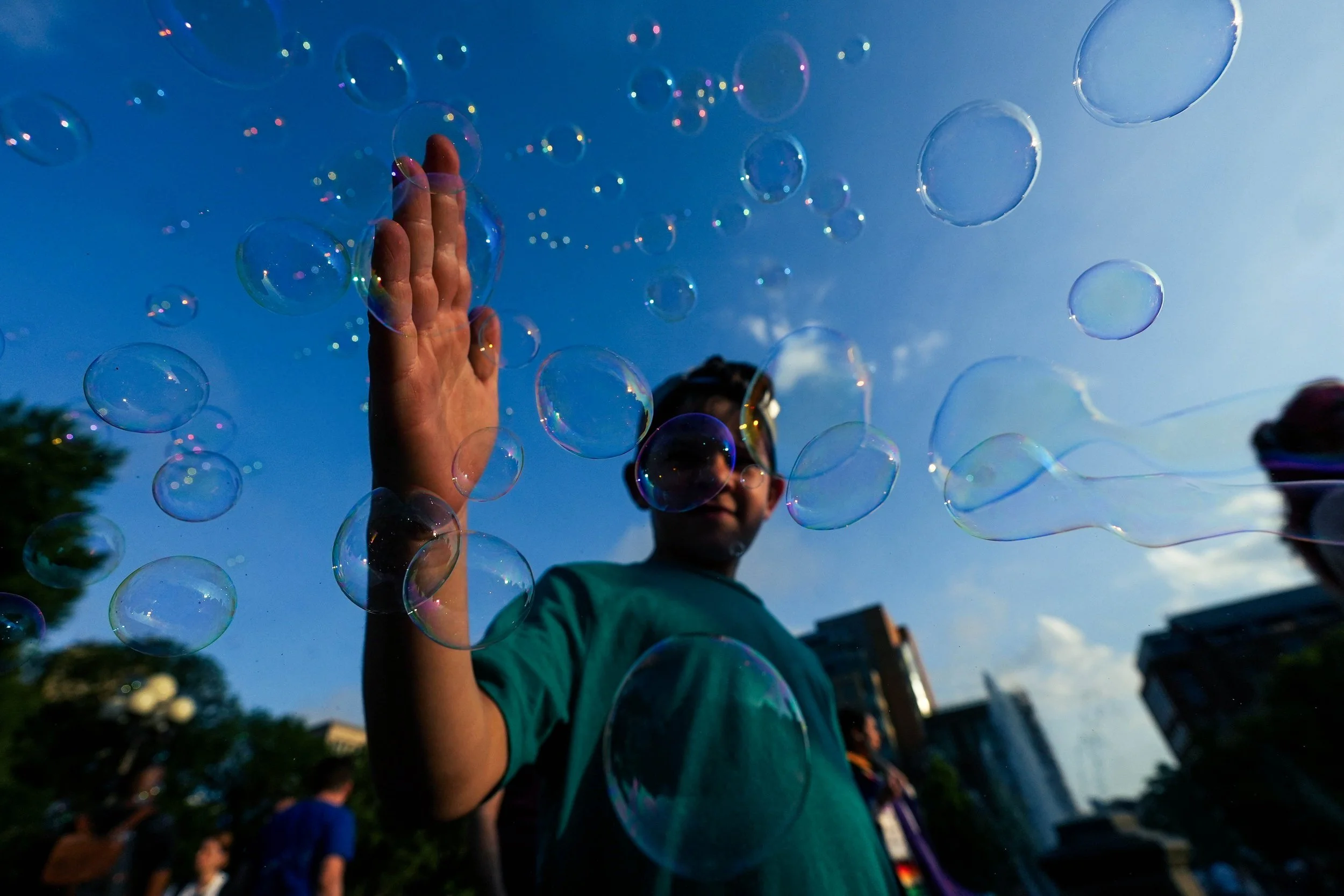
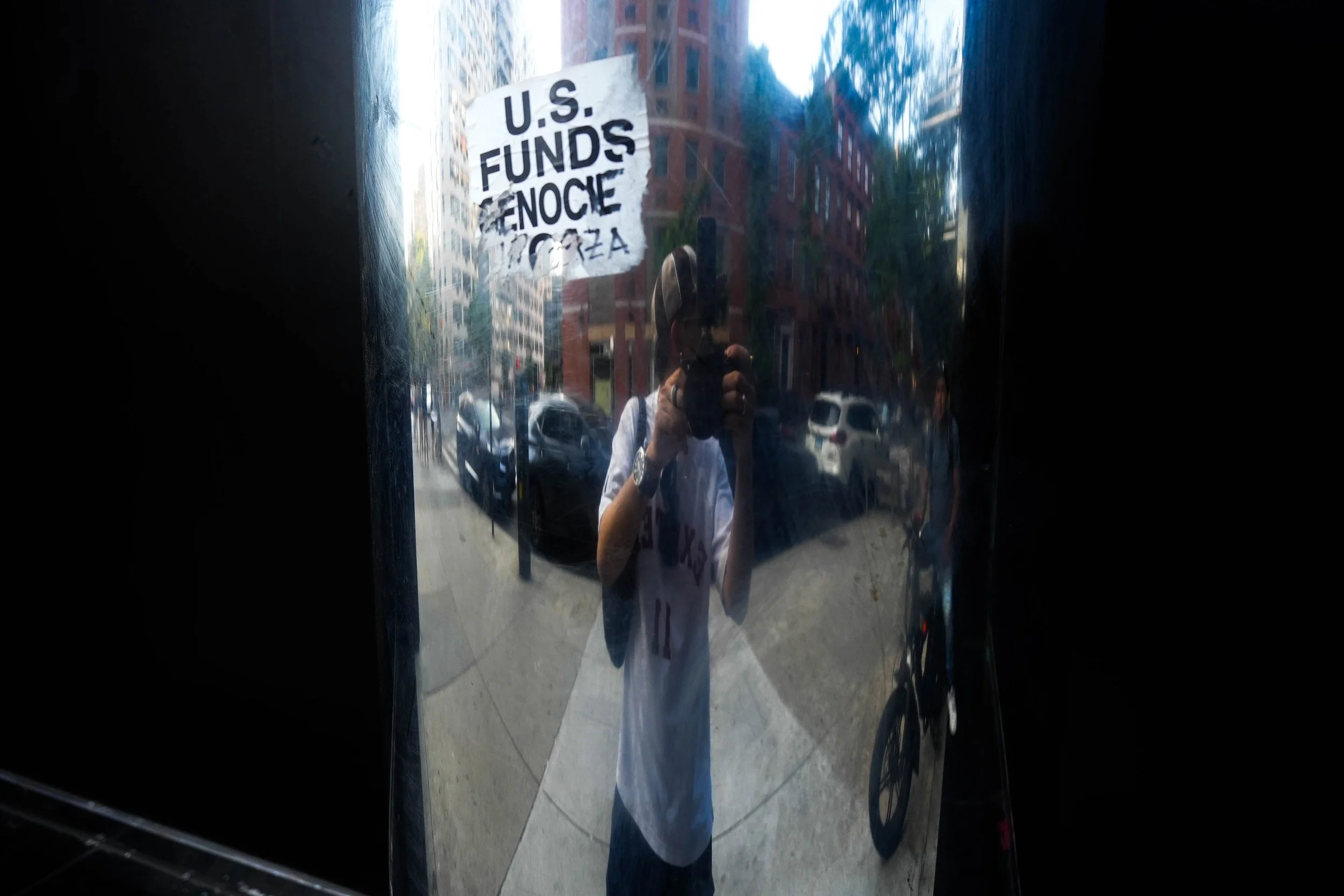
Look, for instance, at his Washington Square Park series from the summer of 2024: an elderly man laughing as pigeons erupt from his hands, a man flexing shirtless by the fountain in the golden heat of the afternoon. These photographs attest to a joyous attentiveness to the full range of human life.
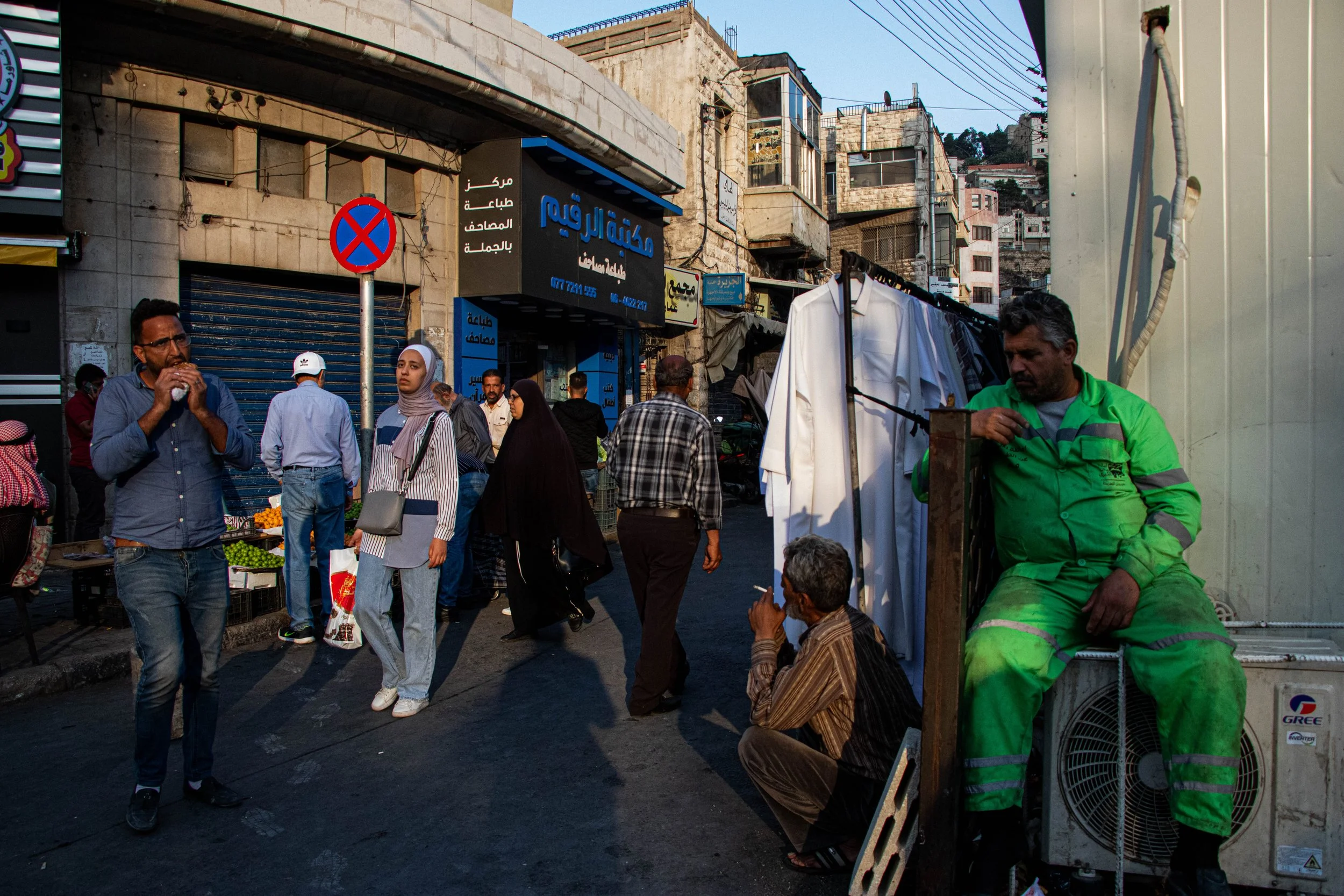
Amman, Jordan 2023
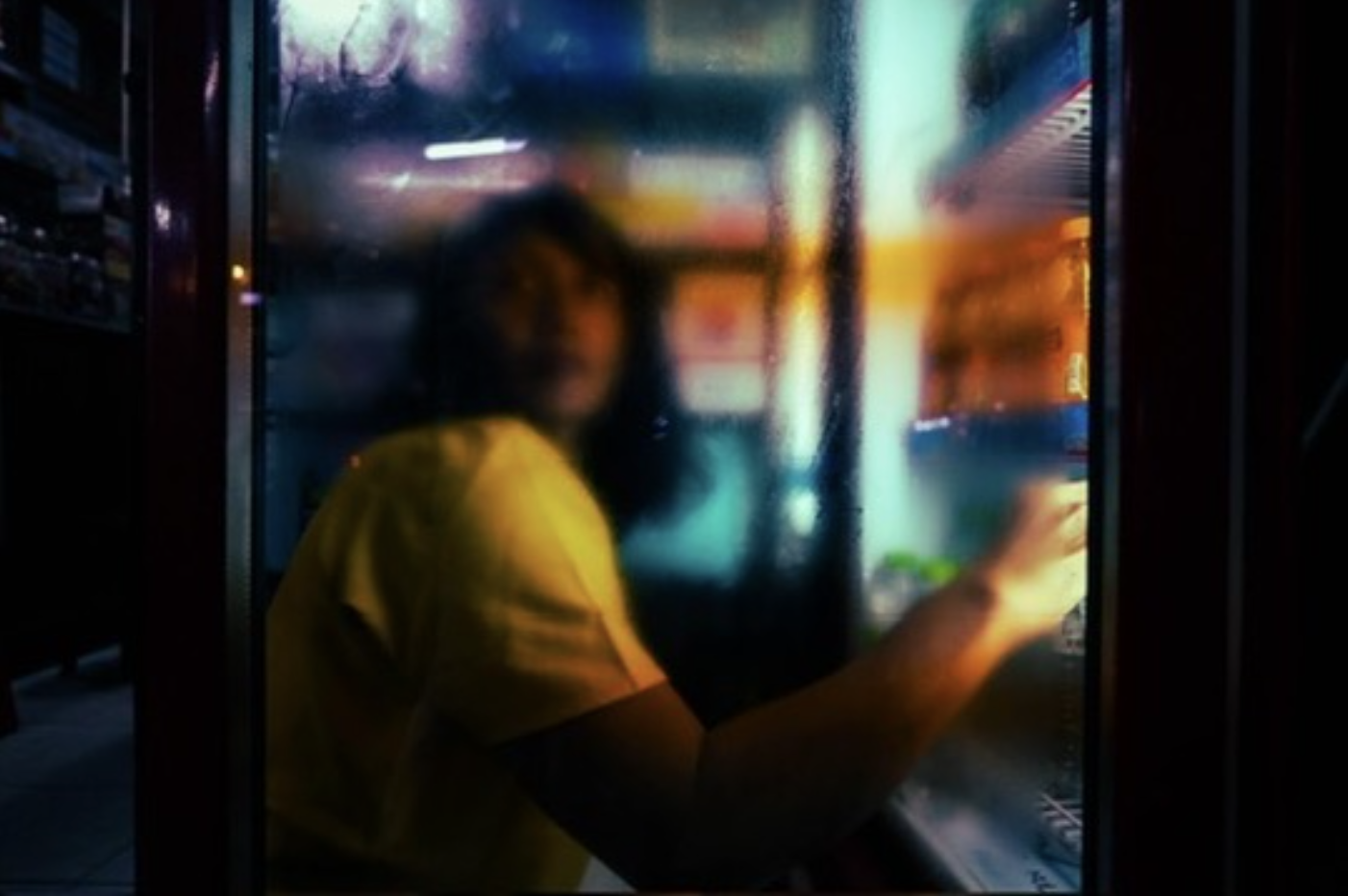
Yogyakarta, Indonesia 2024
In Jordan, 2023, Will’s wide lens pulls a crowded street into a panoramic document. A sanitation worker in neon green perches against the limestone architecture, unhurried, looking nowhere in particular. In Indonesia, 2024, a figure dissolves into color and reflection as the city bleeds through glass. His images offer themselves as experiences, asking for presence rather than interpretation.
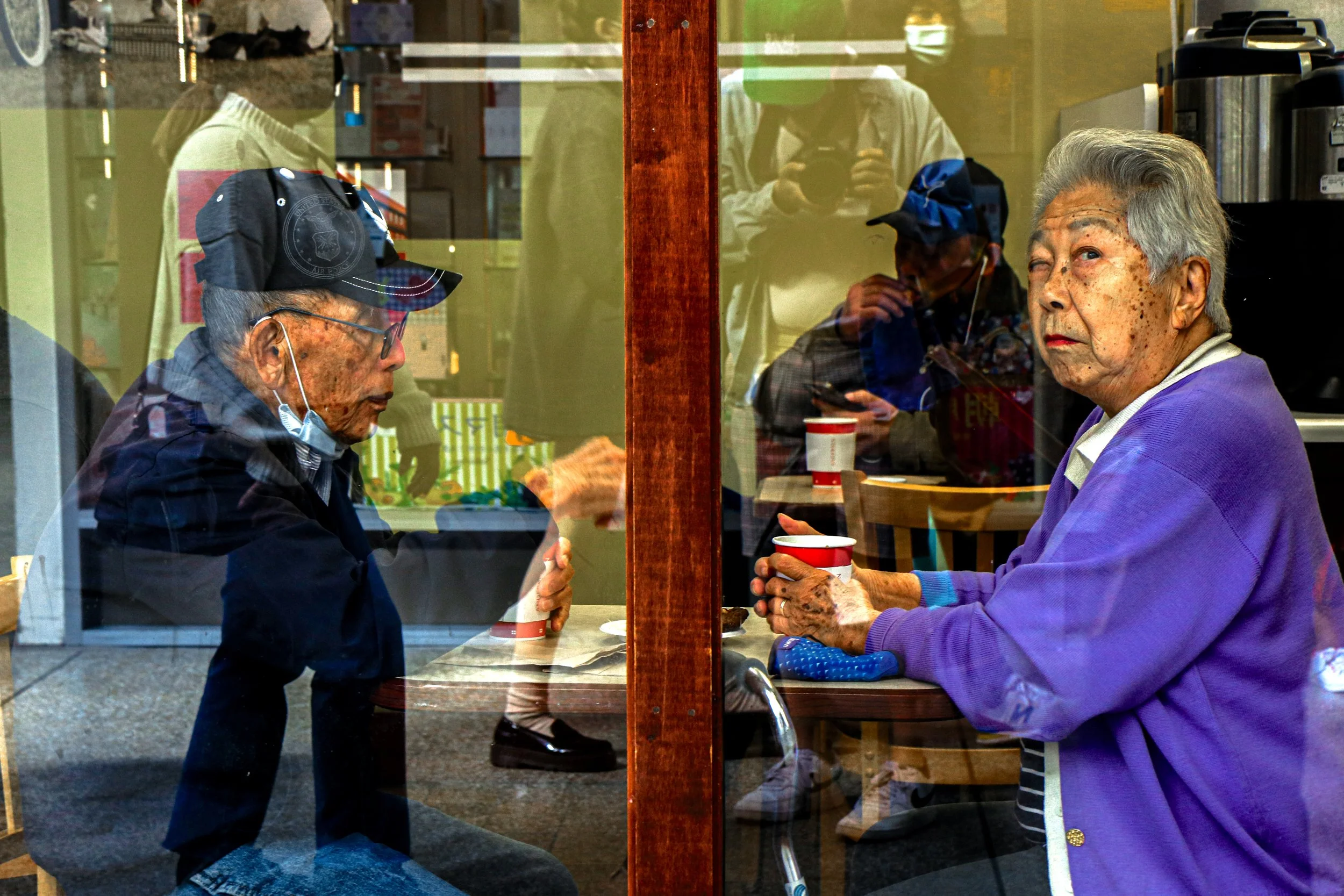
Wink!, 2022
San Francisco, 2022. One photograph, older than most of his portfolio, stands out to both of us from the rest. An elderly Asian couple, shot behind a window of a diner. The composition unfolds slowly the longer you look at it.
Will’s own reflection caught in the glass, implicating himself into the scene. The window frame balances the shot with almost architectural precision as symmetry naturally emerges. The old man on the left dissolves into reflection. On the right, an elderly woman in a purple cardigan sits at the table, looking at the camera with an expression that contains multitudes: wariness, curiosity, perhaps something conspiratorial. Bingo! The punctum.
“Anthropology is really deeply tied to my street photography, because they are the same outlets for the same brain, which is just wanting to understand people and talk to people. Anthropology is the way I study it and think about it and learn theories on how to approach it. But my photography, street photography specifically, is how I actually practice and live and see it. I think about it kind of like an ethnographical site.”
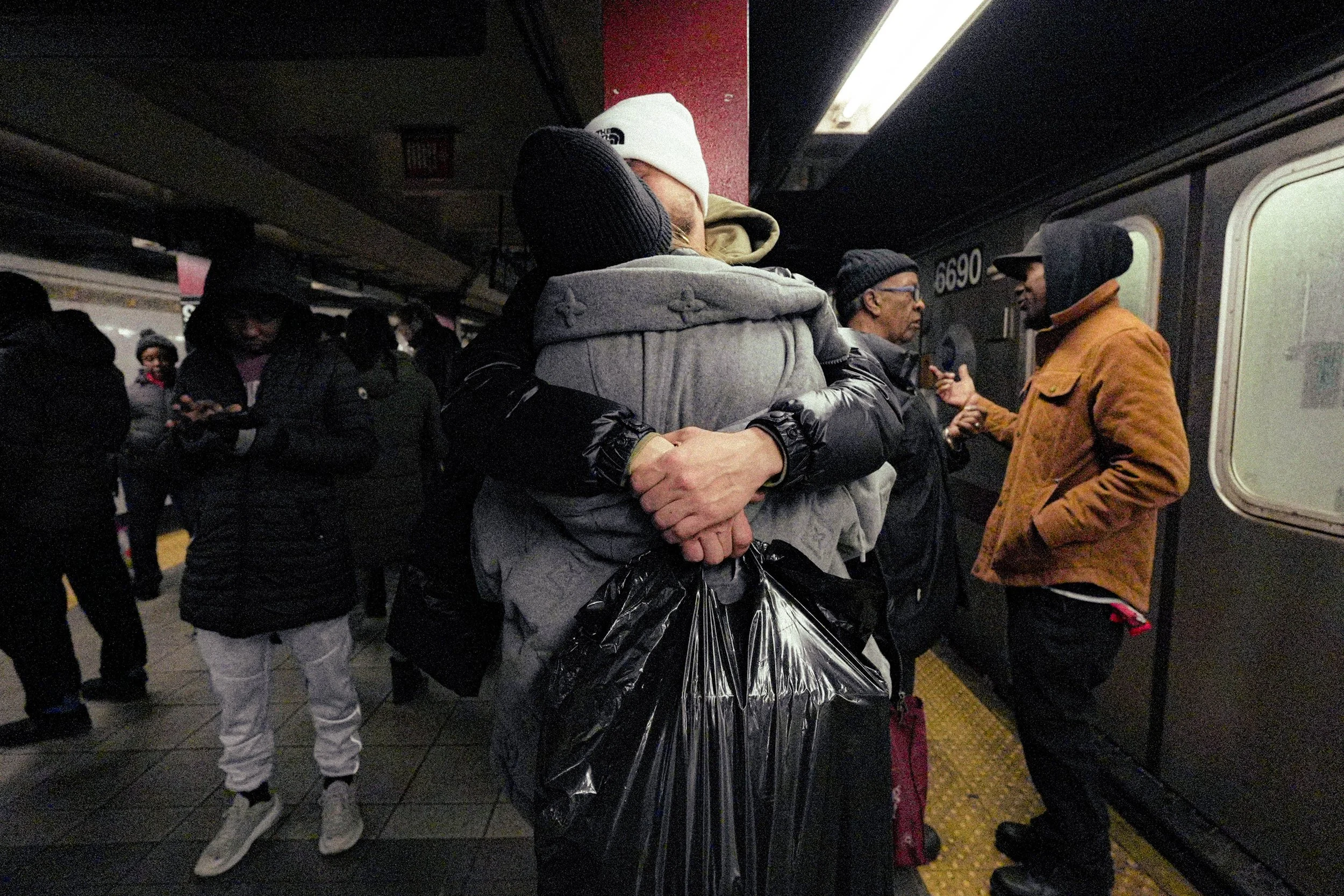
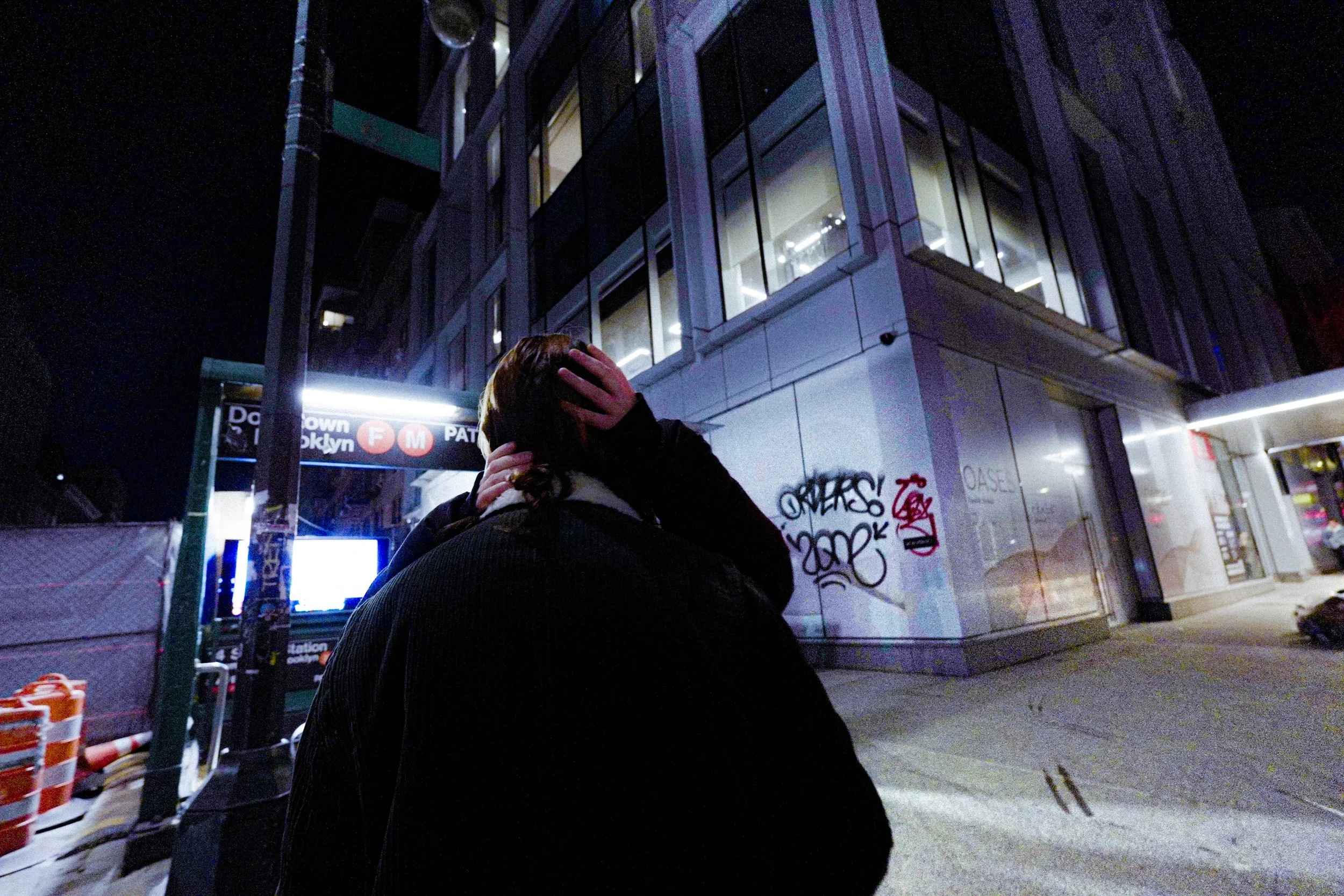
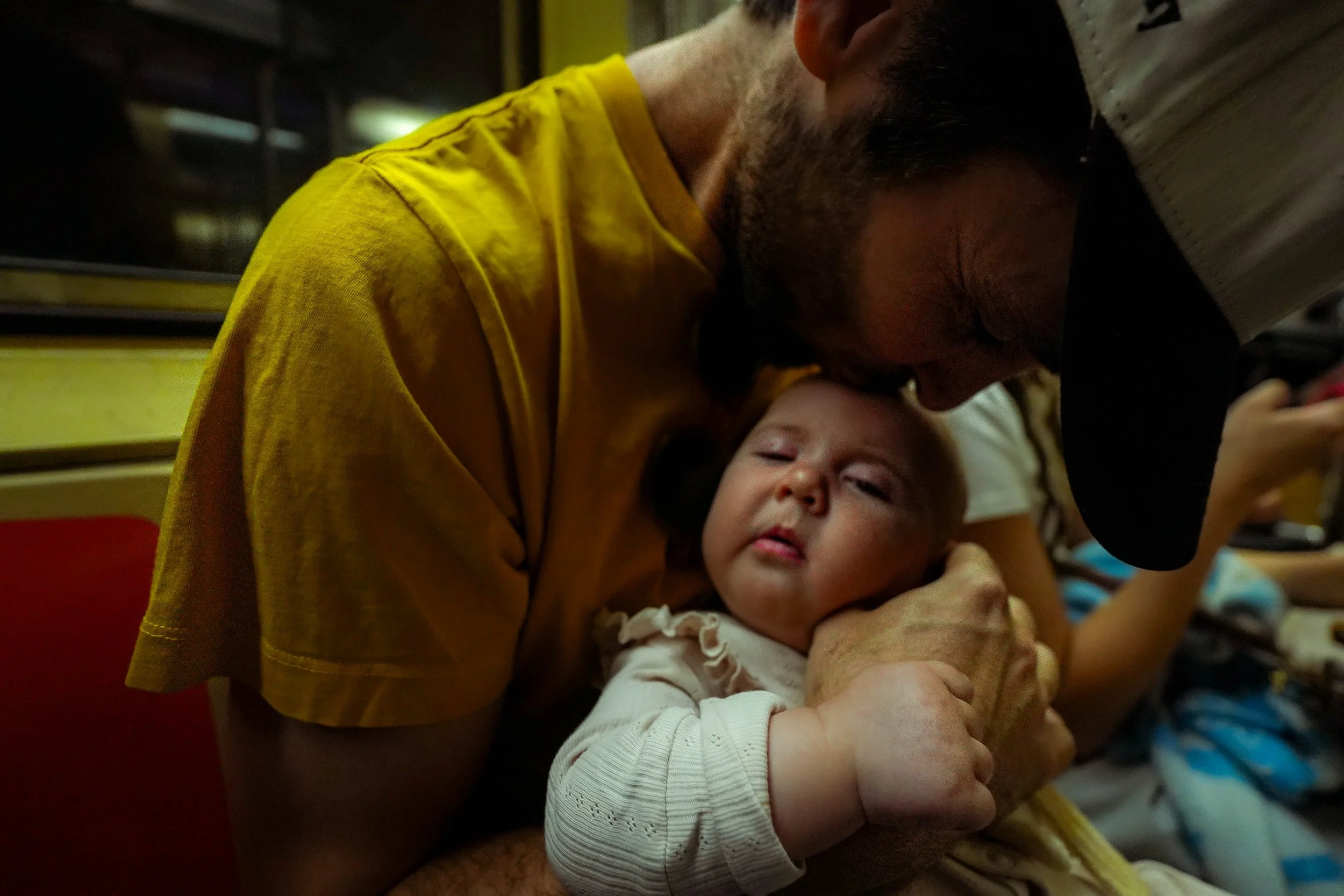
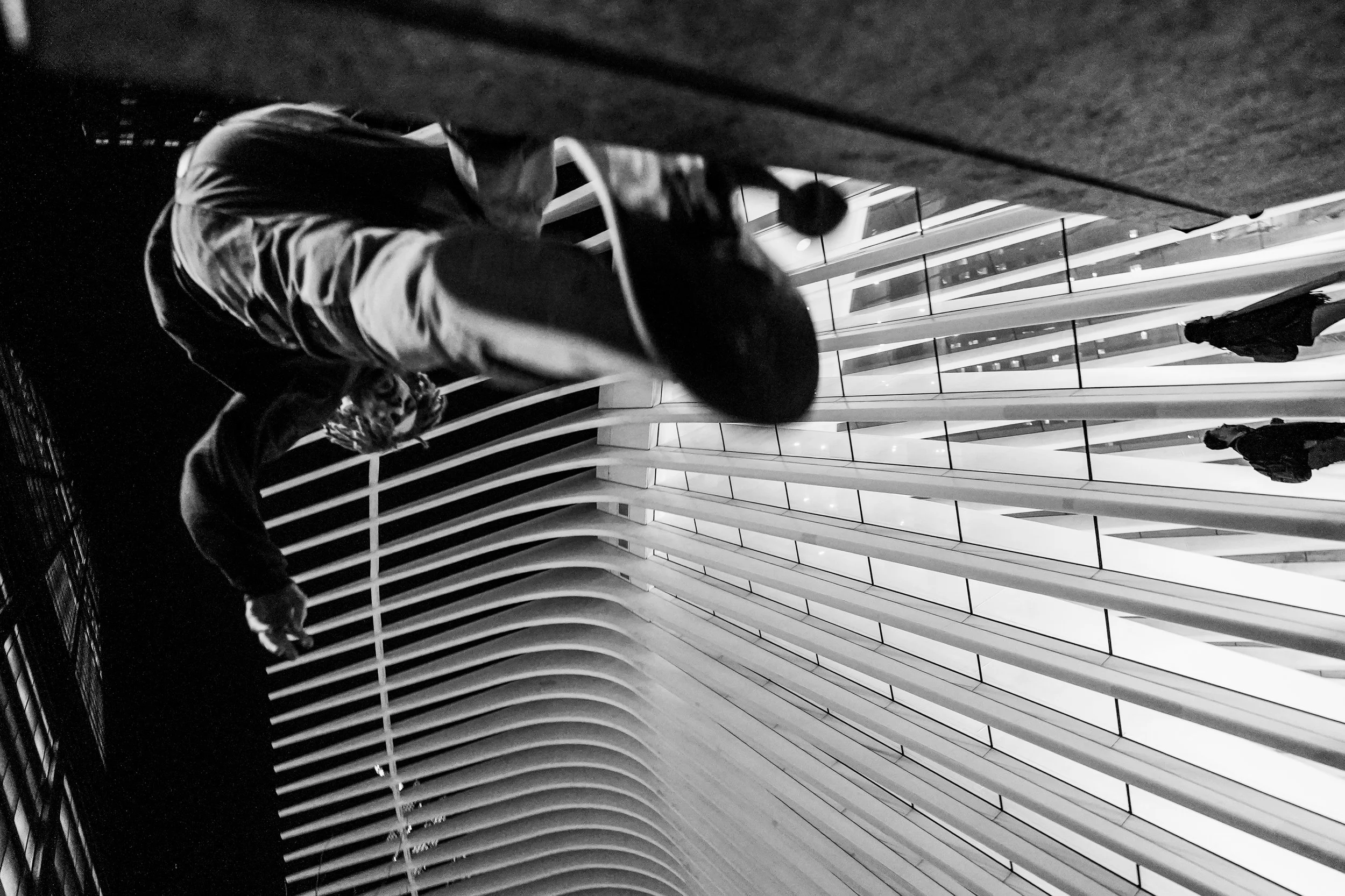
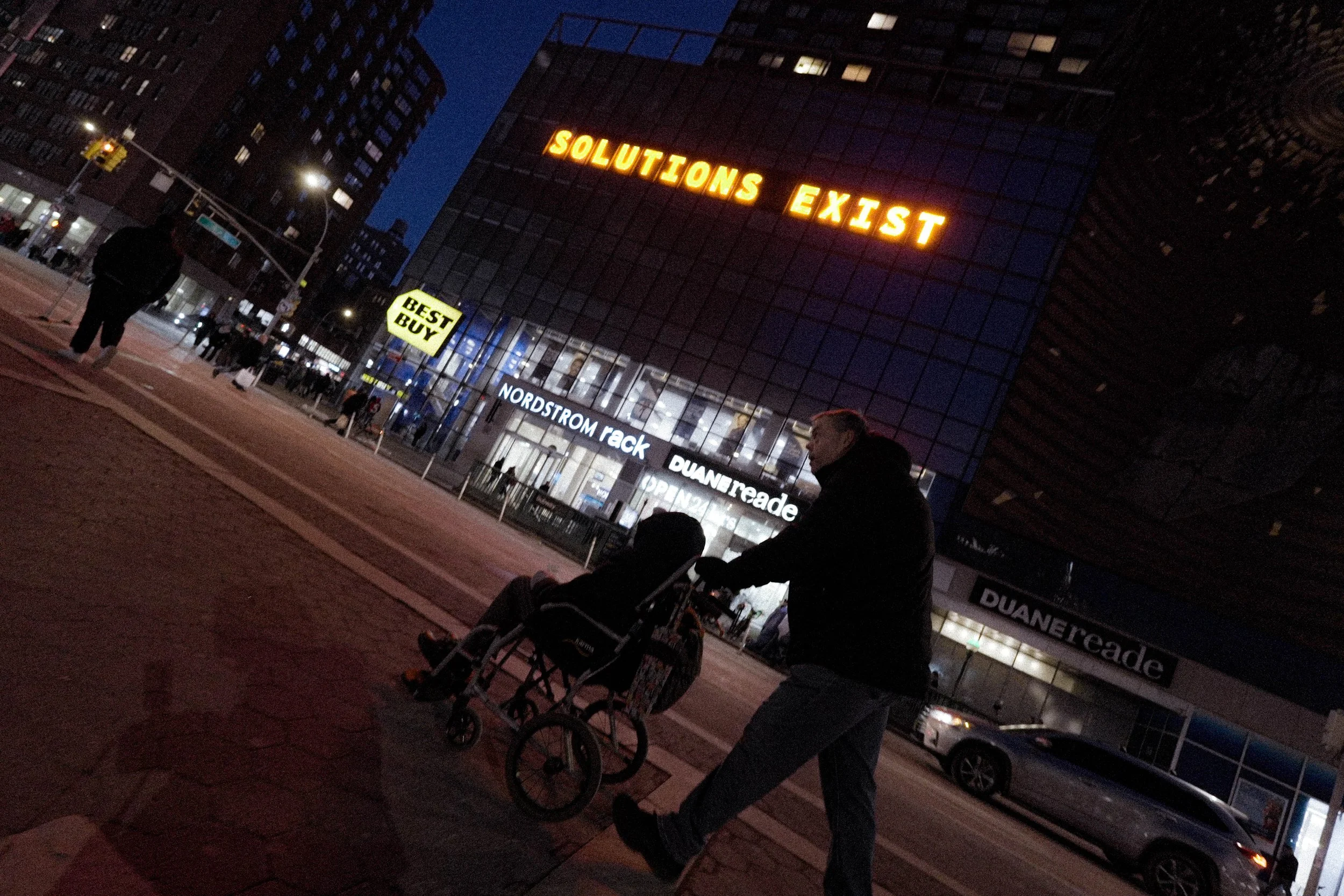
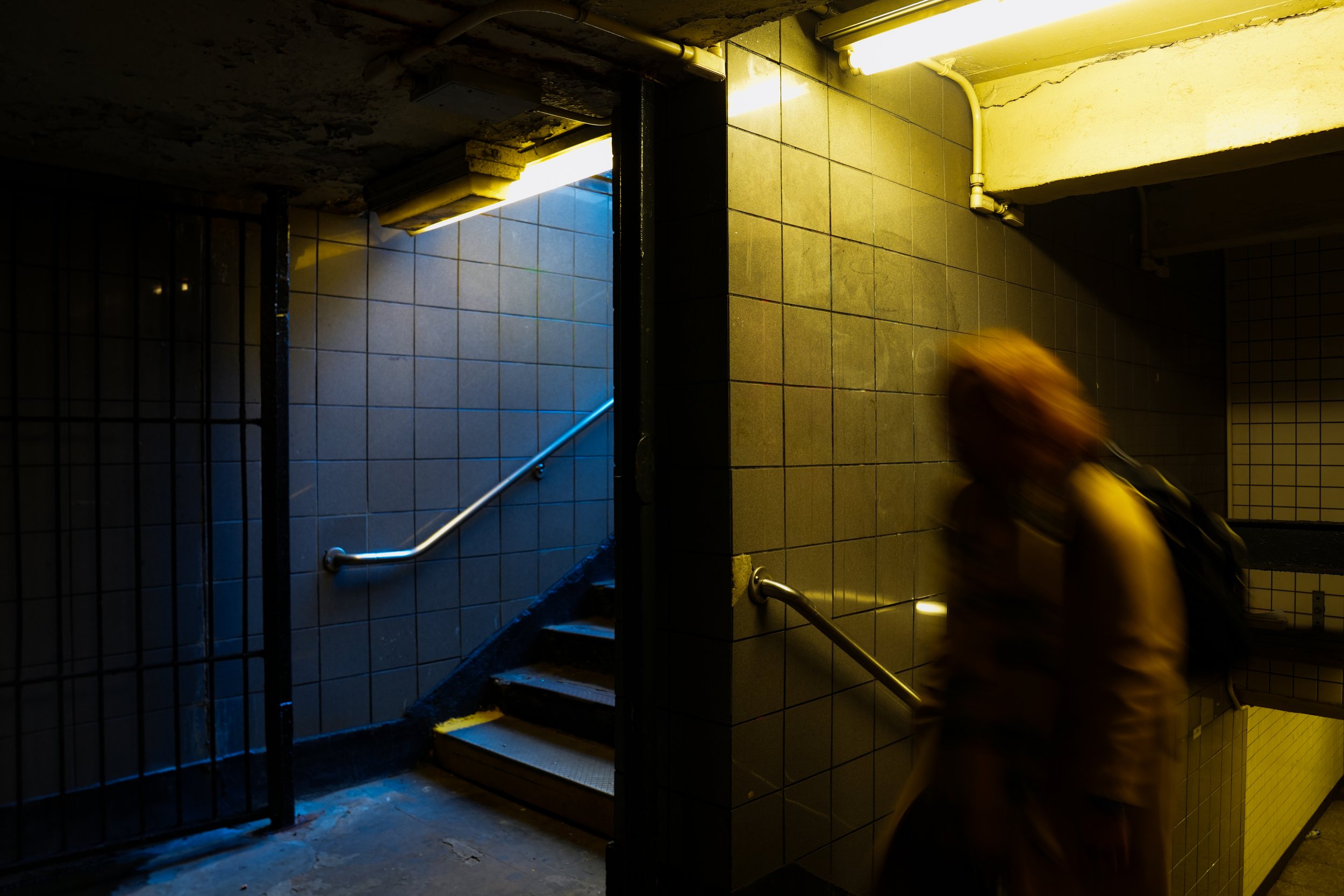
One of the worst questions you can ask a creative is what their plan is, but I couldn’t resist. Will’s answer was strikingly honest and, honestly, reassuring. “I have no idea where I will be,” he said. “I know that I will never stop thinking about art and working on it and making stuff. So I'm not scared. I've found my closest friends and good conversation by putting myself in places where I'm surrounded by the things I enjoy rather than putting myself in boring places. I learned from Buddhism to not think so much about it. Just live it and trust it and experience it. Notice your desire, but don't be too compelled by it.” Fear of not succeeding, to him, is simply a failure of imagination (That, he has plenty of.)
“My dream is to build an institution that allows the access of vessels for all of my interests, and also allows my friends to do the shit that they want to do too. I wanna build my own cultural capital.”
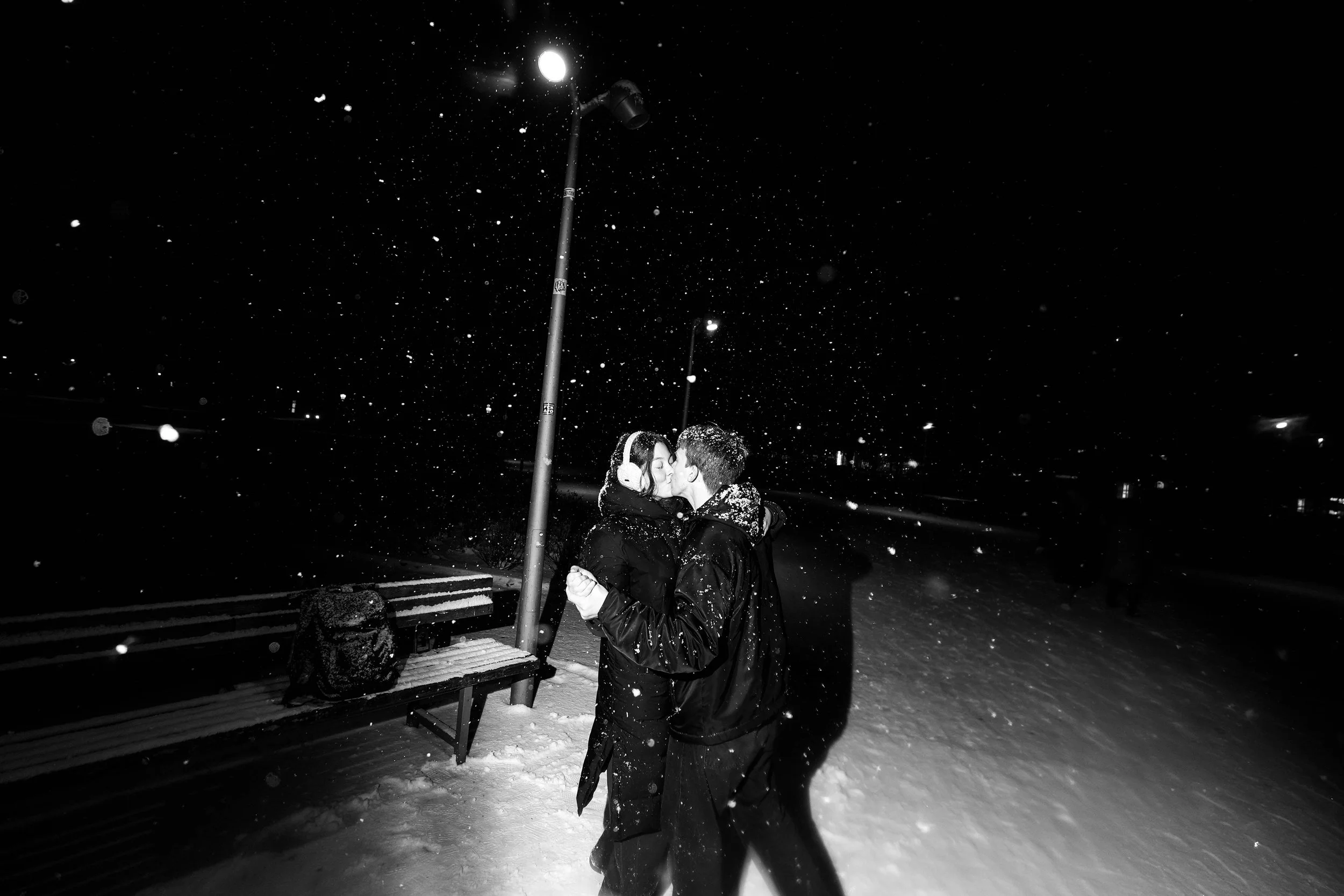
Berlin 2025
I think about the times I have run into Will on campus, between classes, in some half-inspired, creative delirium with his camera in hand. He’s not exactly hunting, but open. He moves through the world with a particular kind of openness that makes room for the elderly woman’s wink, a soap bubble catching light above a kid’s hand, a couple kissing in the snow. In the meantime, the rest of the frame falls quietly around them.
“I'm gonna be taking photos my entire life. And whether I get paid for that or not is not that important to me,” he remarked. I believed him.