
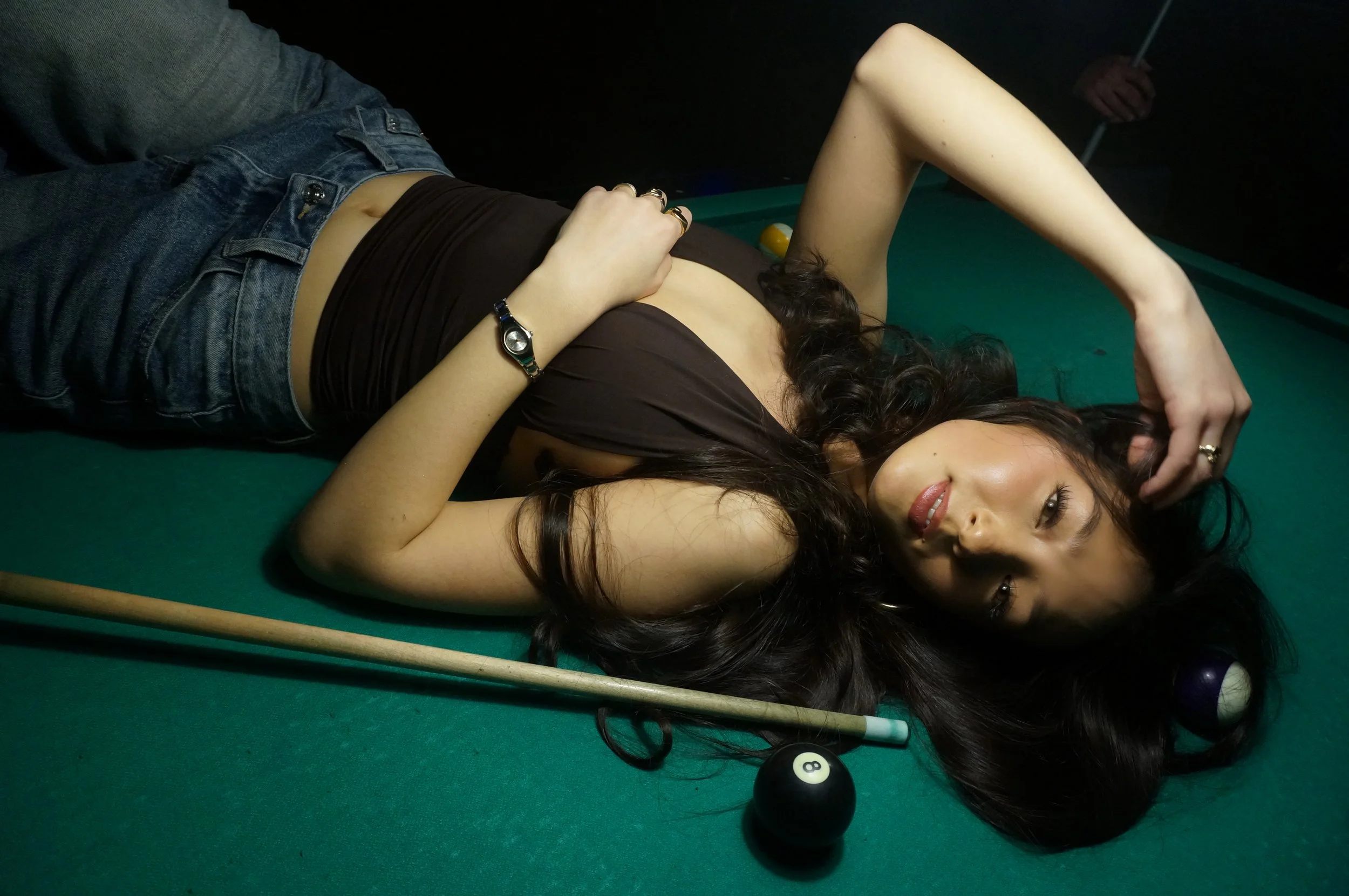

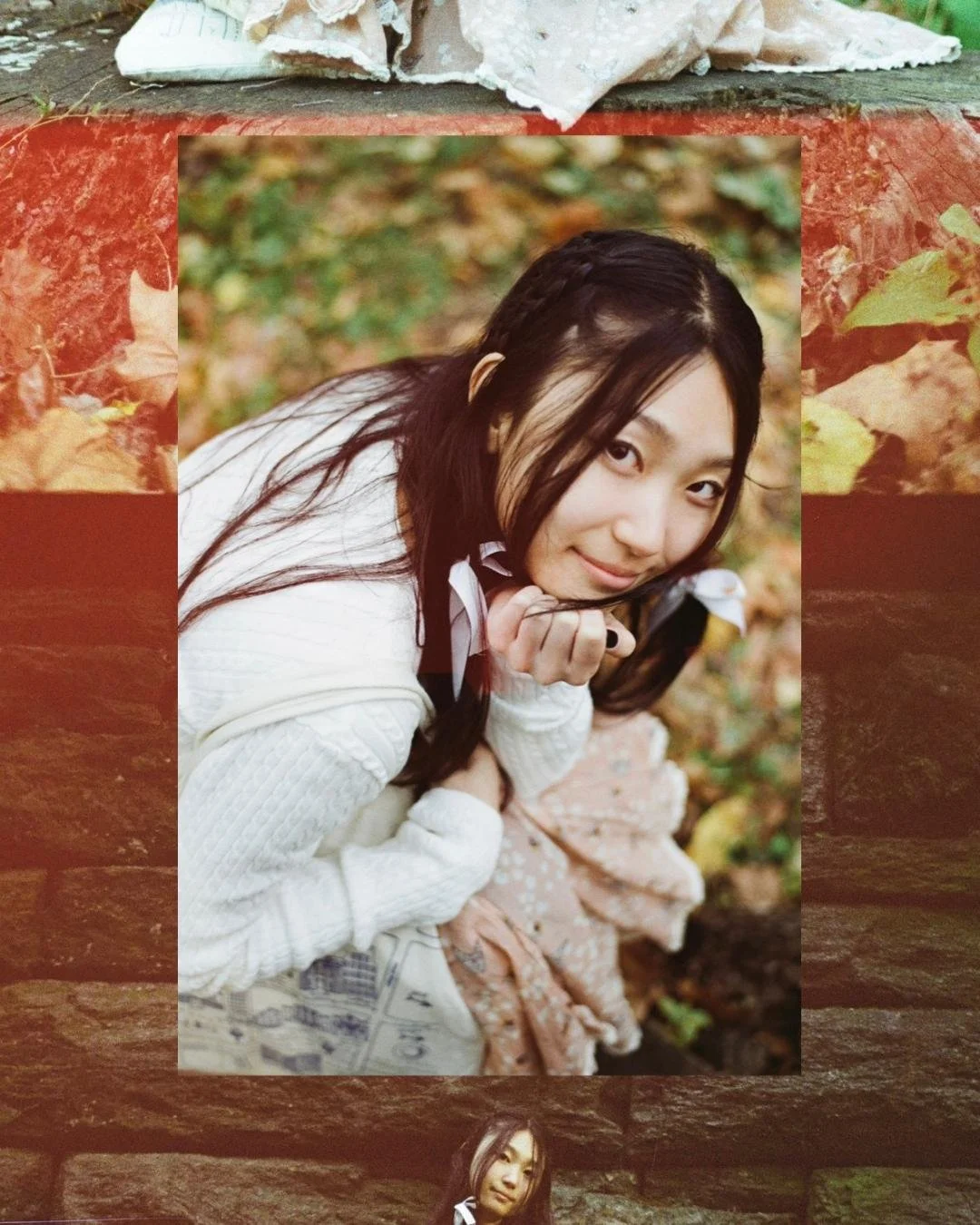
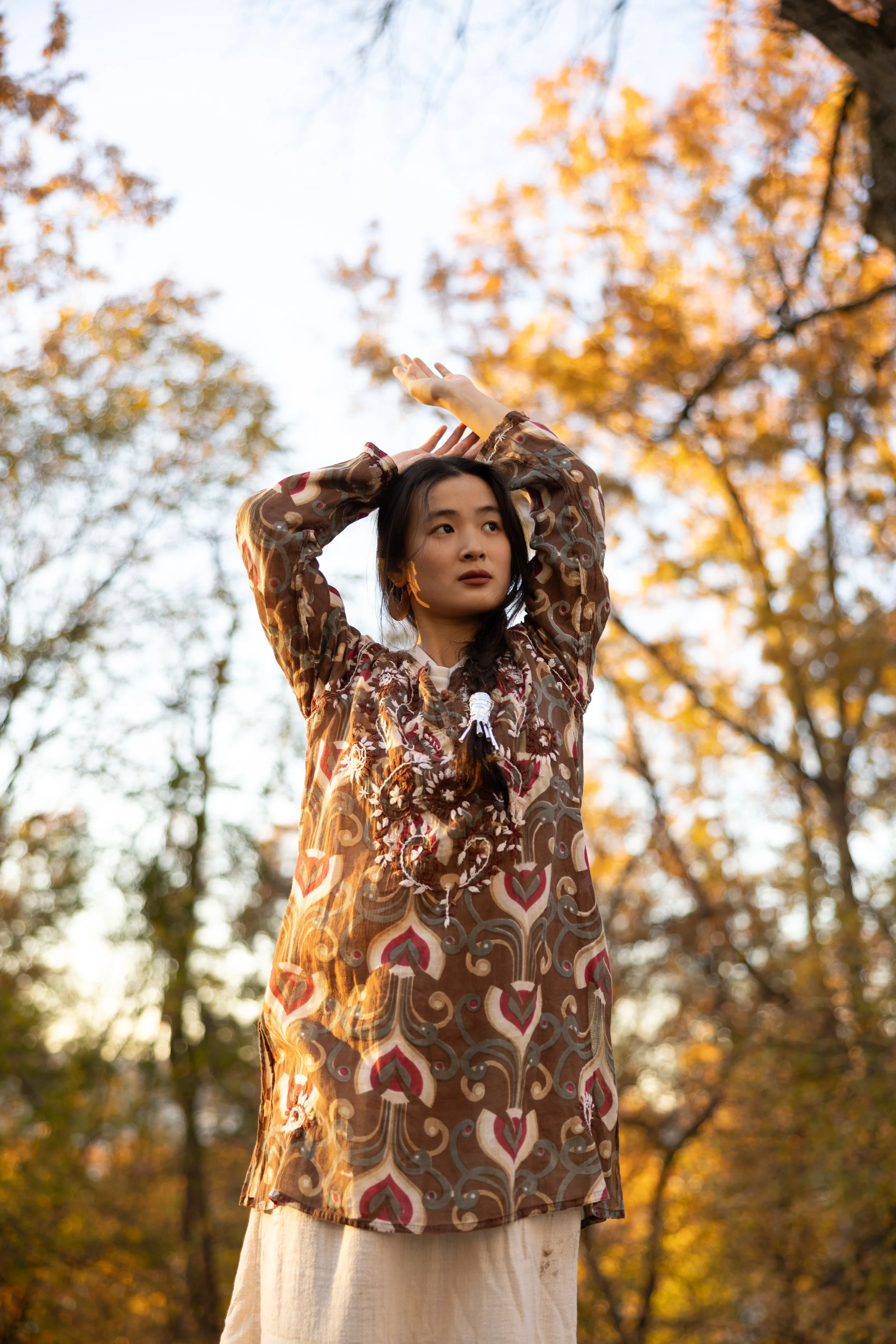
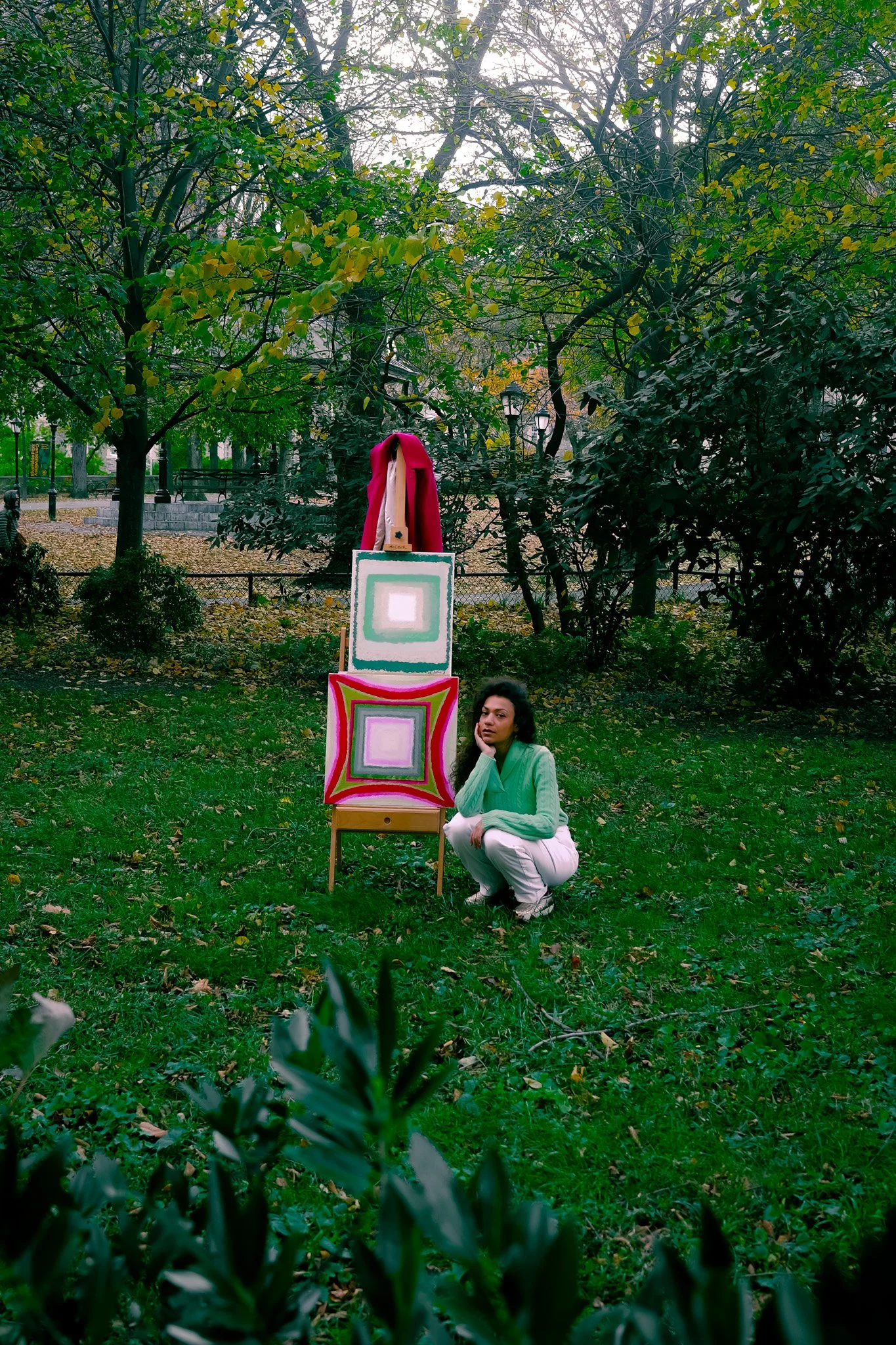




Feature by Sahai John
Photos by Colson Struss
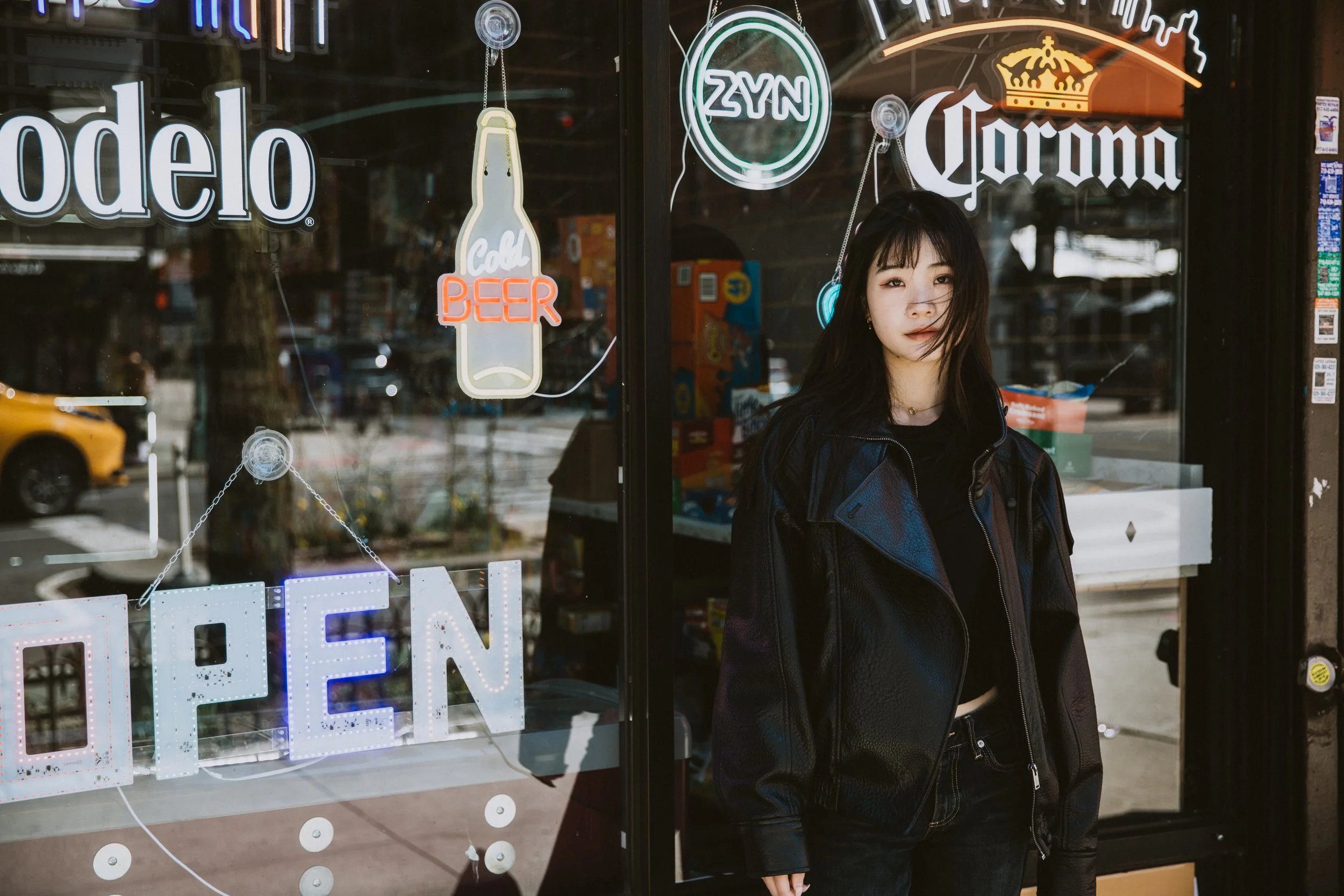
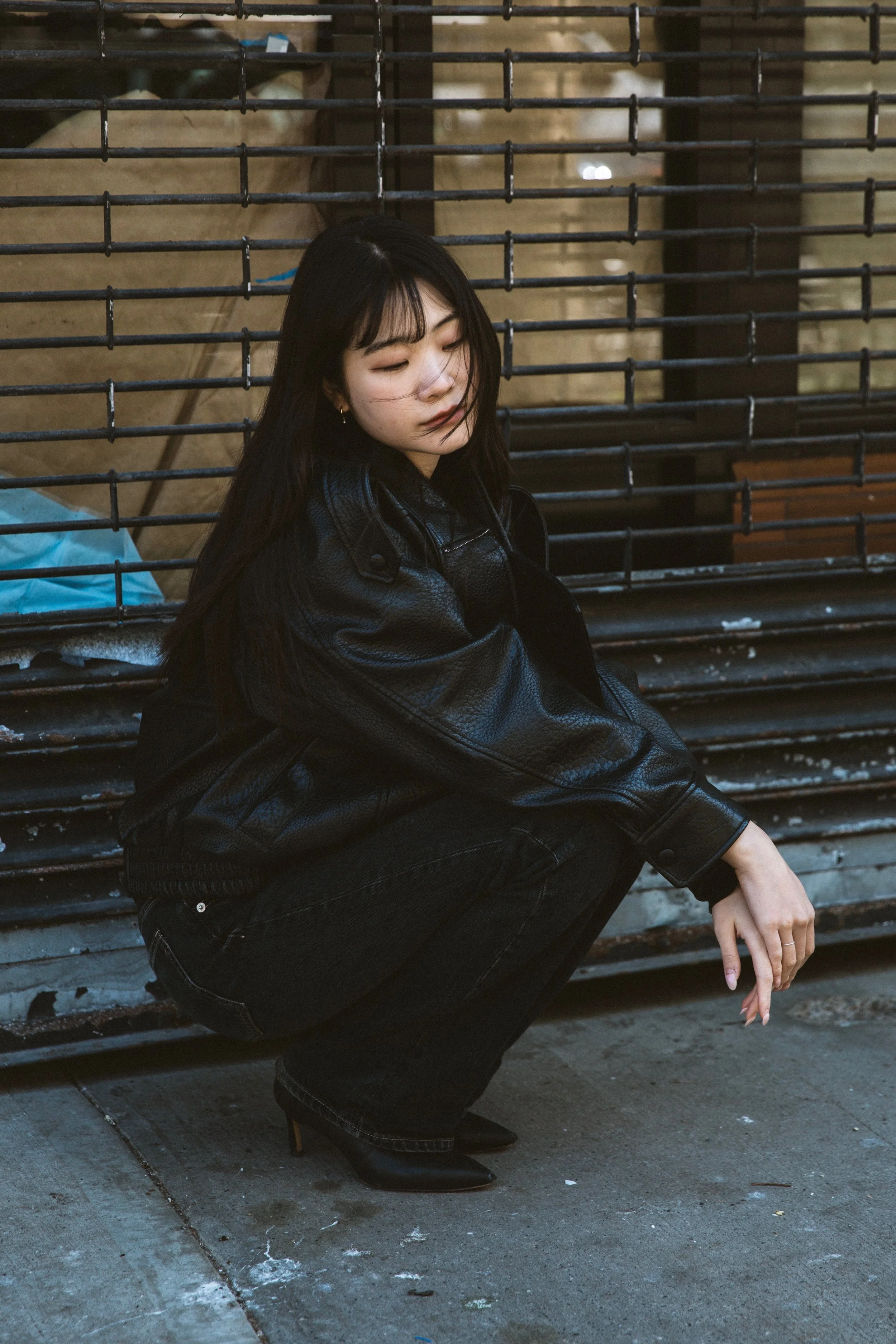


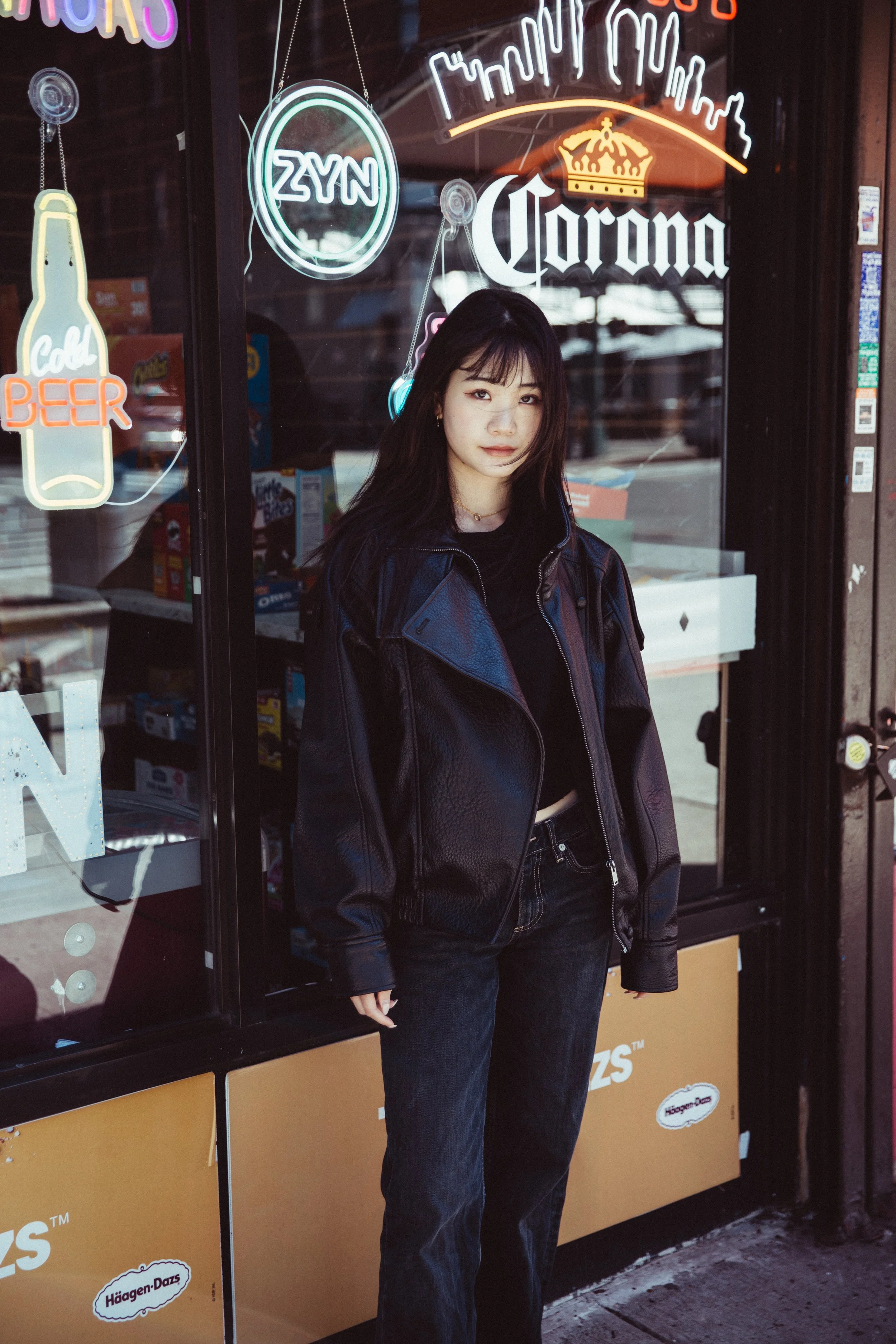

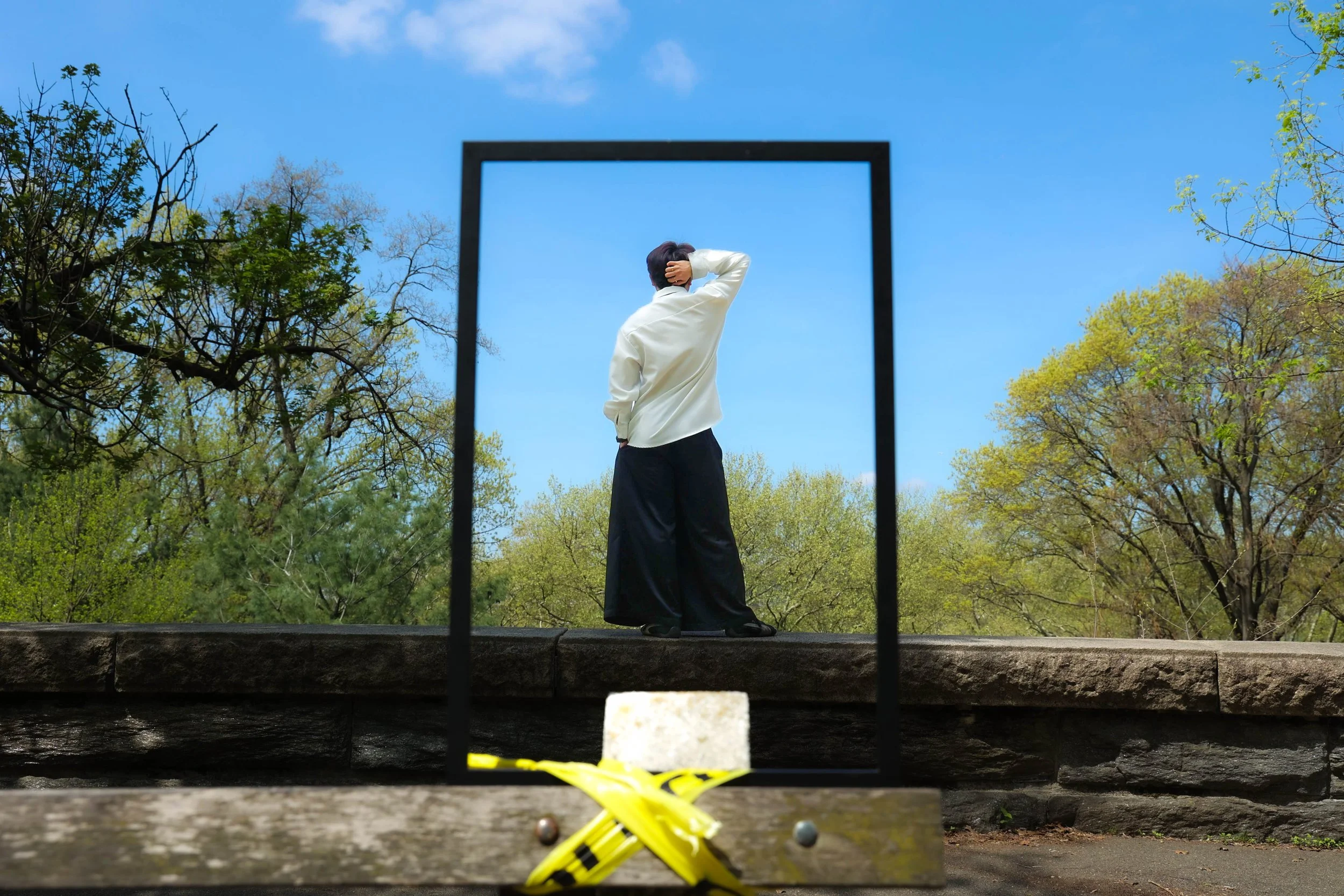
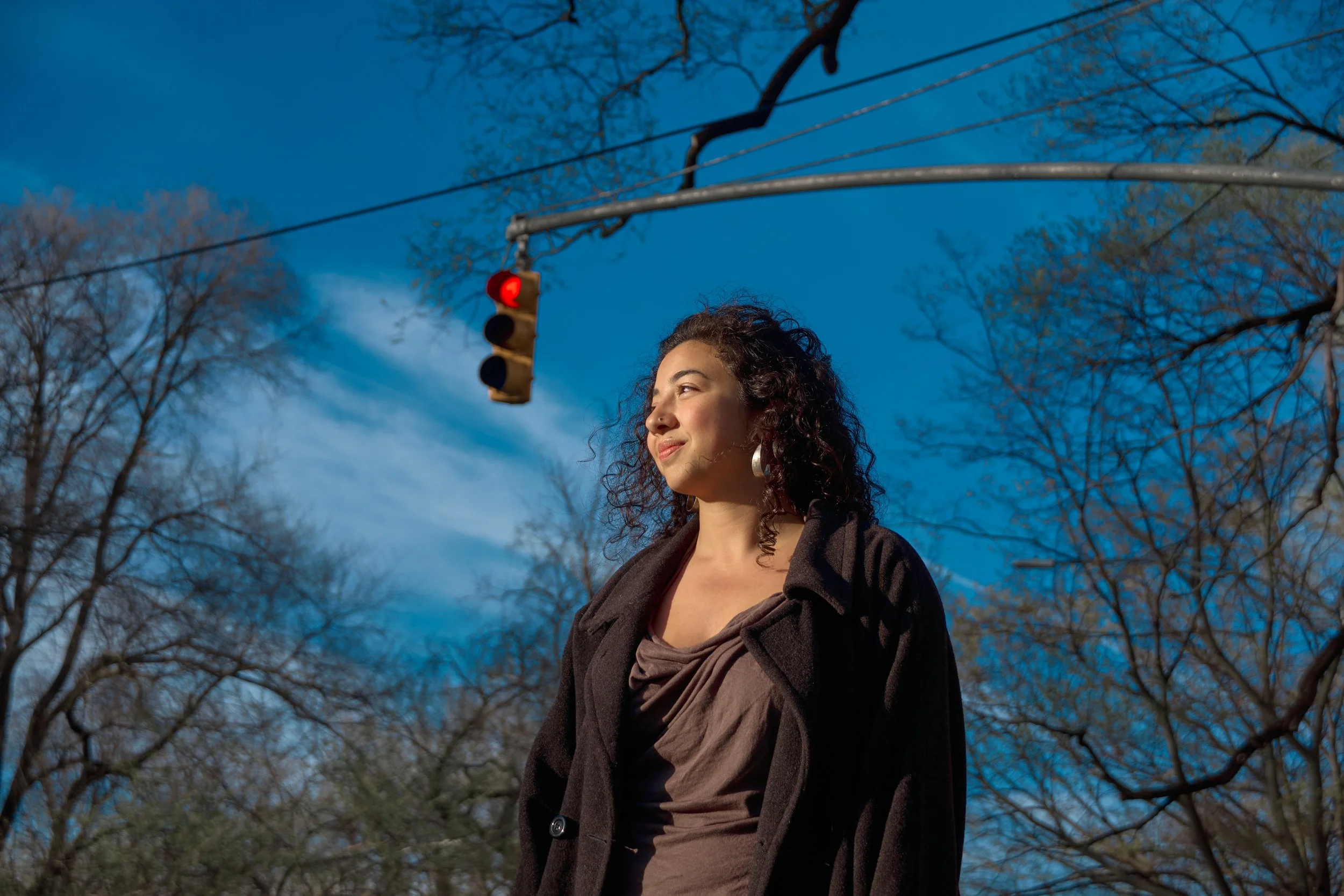
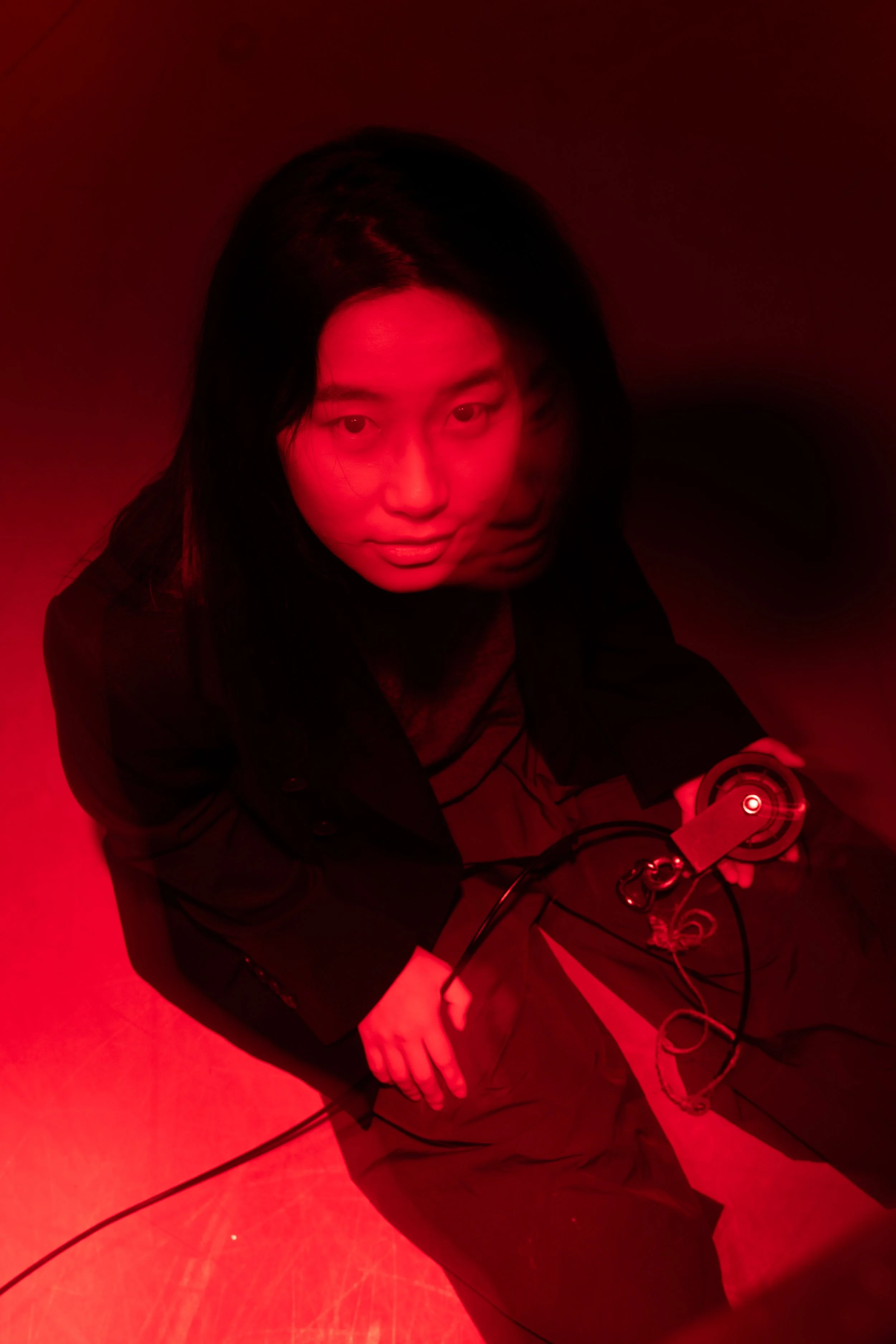
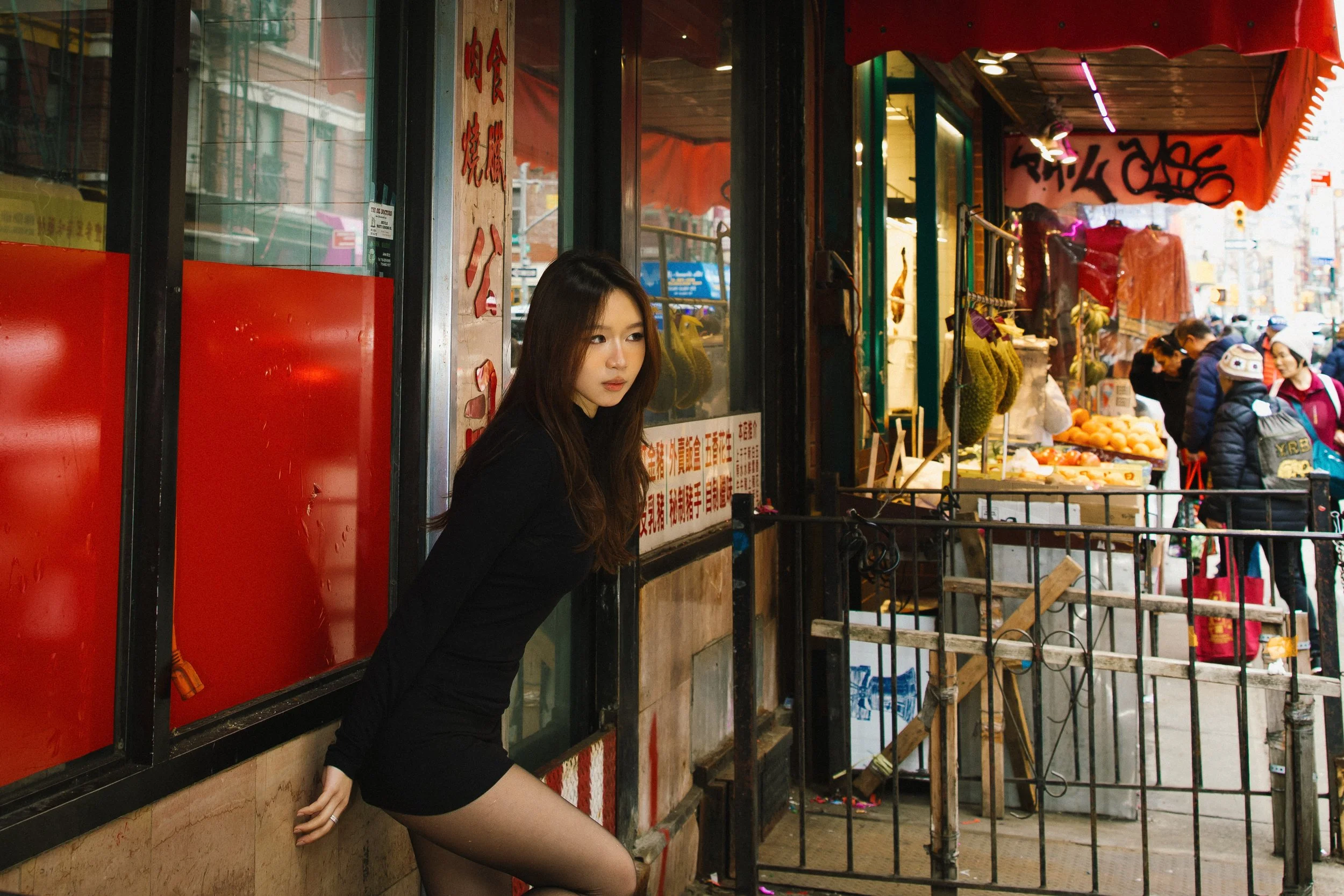
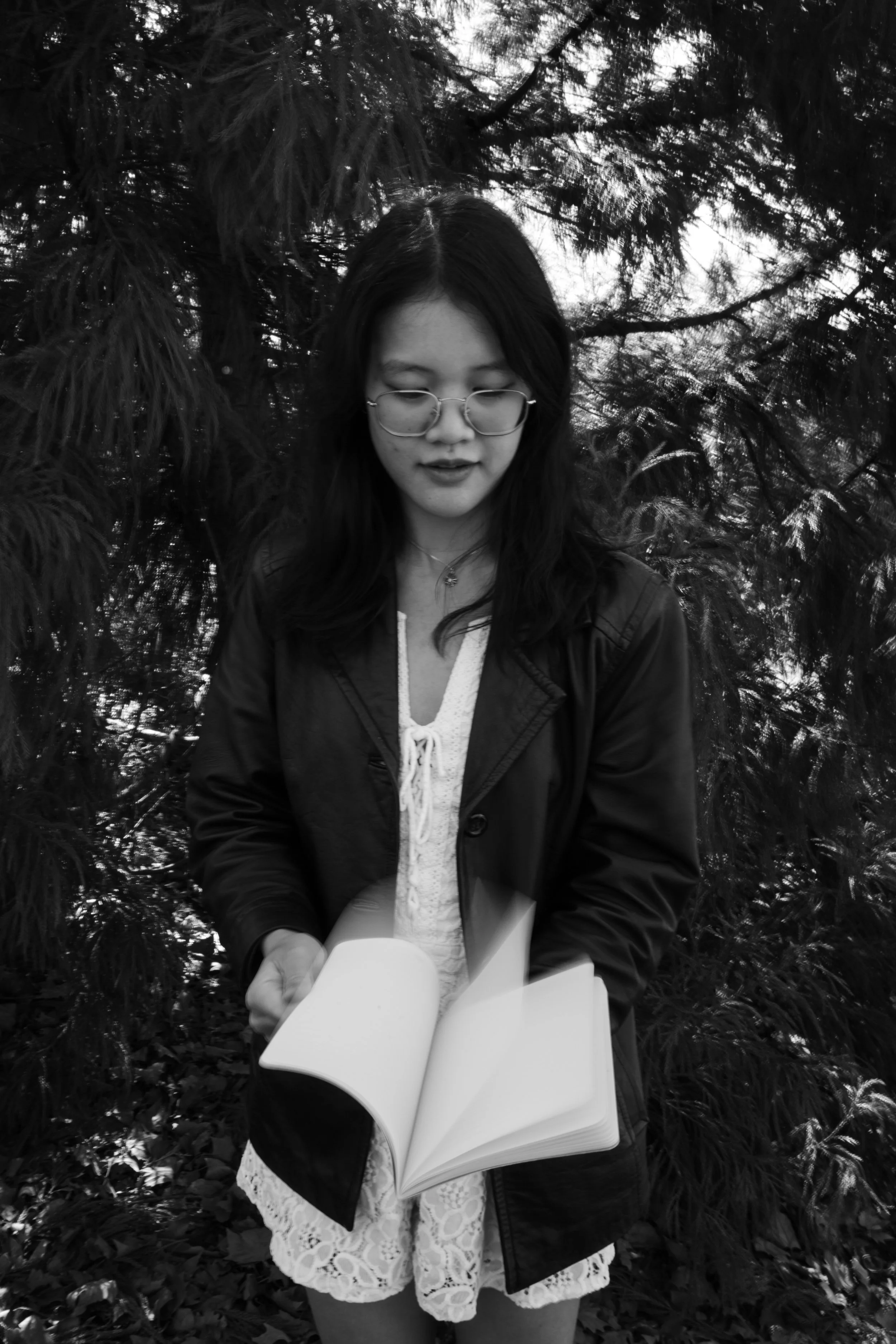
Jade Li (CC’26) is a senior majoring in Art History. In an attempt to hold on to her clouding memories, Jade’s work explores the nostalgia of senior year through recent works of darkroom photography. She has been doing graphic design for Bacchanal since her sophomore year. Jade’s designs take inspiration from Dada collages and play with clear, monochrome fonts and chaotic overlays.
I met Jade following a tumultuous week of Bacchanal planning. After the last-minute cancellation by Fakemink, Jade and the rest of the Bacchanal e-board scrambled the night before the big event to put together a successful Wakanal (featuring Waka Flocka Flame). As the graphic design chair, Jade designed all of the posters and merch for Bacchanal 2026 and came up with the cyber theme. Taking inspiration from the rise in EDM sleaze and Fakemink’s style, she wanted to tap into a growing cyber aesthetic. This was also combined with a deeper connection to student life, as she wanted to reflect on the sense of surveillance she’d been feeling around campus. On April 4th, Columbia students packed onto the lawns in front of Butler and Low Steps in knee-high boots, neon wigs, and lots of silver.
For Jade, Bacchanal became a space in her life where she could share her connection to and love of music. She joined in her sophomore year and, in her senior year, she became the graphic design chair. Making graphics for Bacchanal gave Jade a sense of purpose with her designs. Instead of floating out into the ether, her work was grounded. It was not just printed on t-shirts and posters, but used to build community.
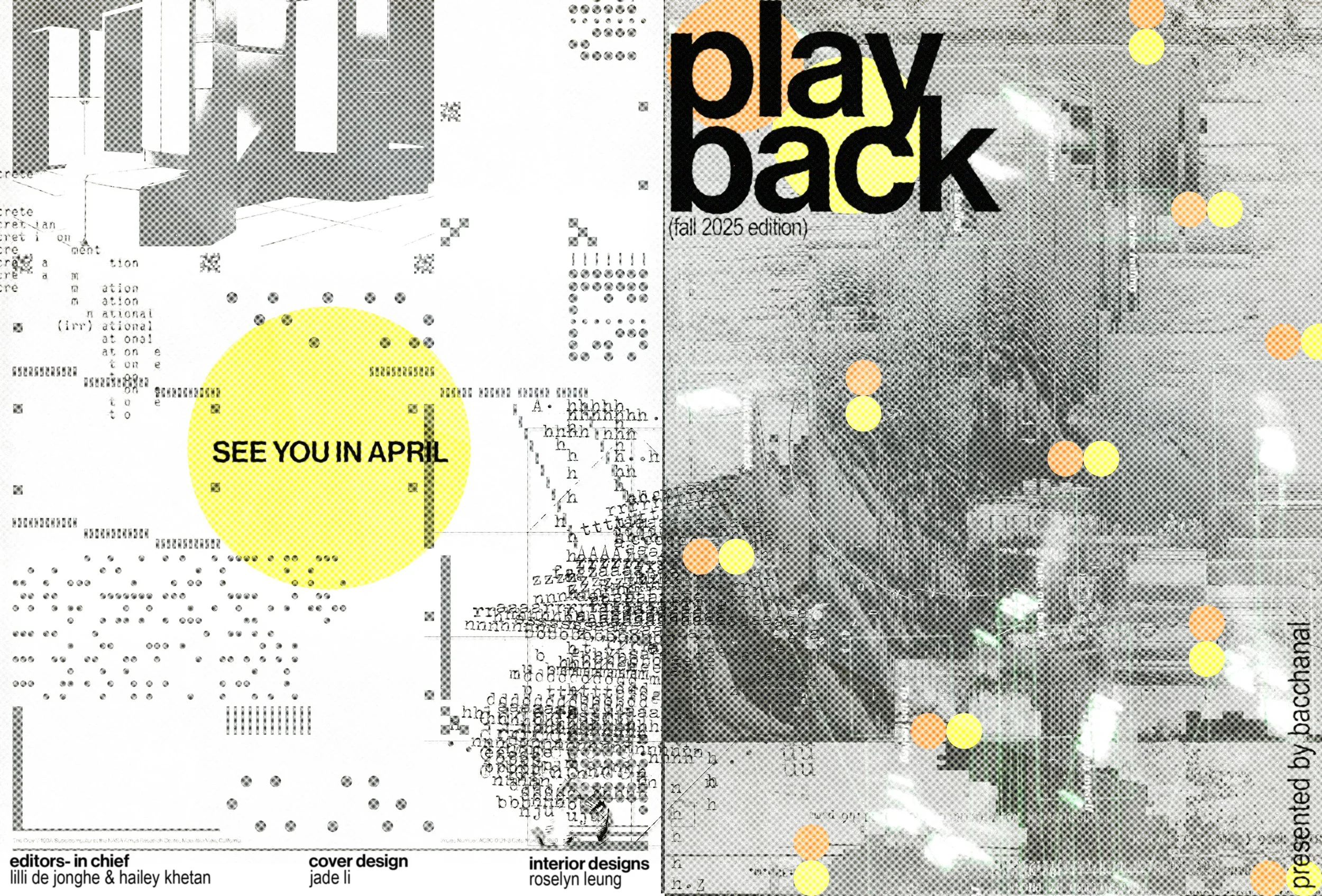
Playback Zine (2025)
Jade started officially making graphic designs in her sophomore year for the Coffeehaus Jazz nights at ADP. She enjoyed making collages and, after securing the Adobe suite login from a Pratt student she’d been dating at the time, she started to explore poster making. The Coffeehaus board liked the designs and asked her to start making posters for them. While her graphic design skills have grown exponentially since then, she expresses how this origin was an important part of the process.
Over the years, she’s gained more creative freedom within the Bacchanal graphics team. She was given the reins to decide on a theme for this year and has been the main communicator between the Bacchanal team and the larger Columbia community. With that, she’s found space to make her designs her own.
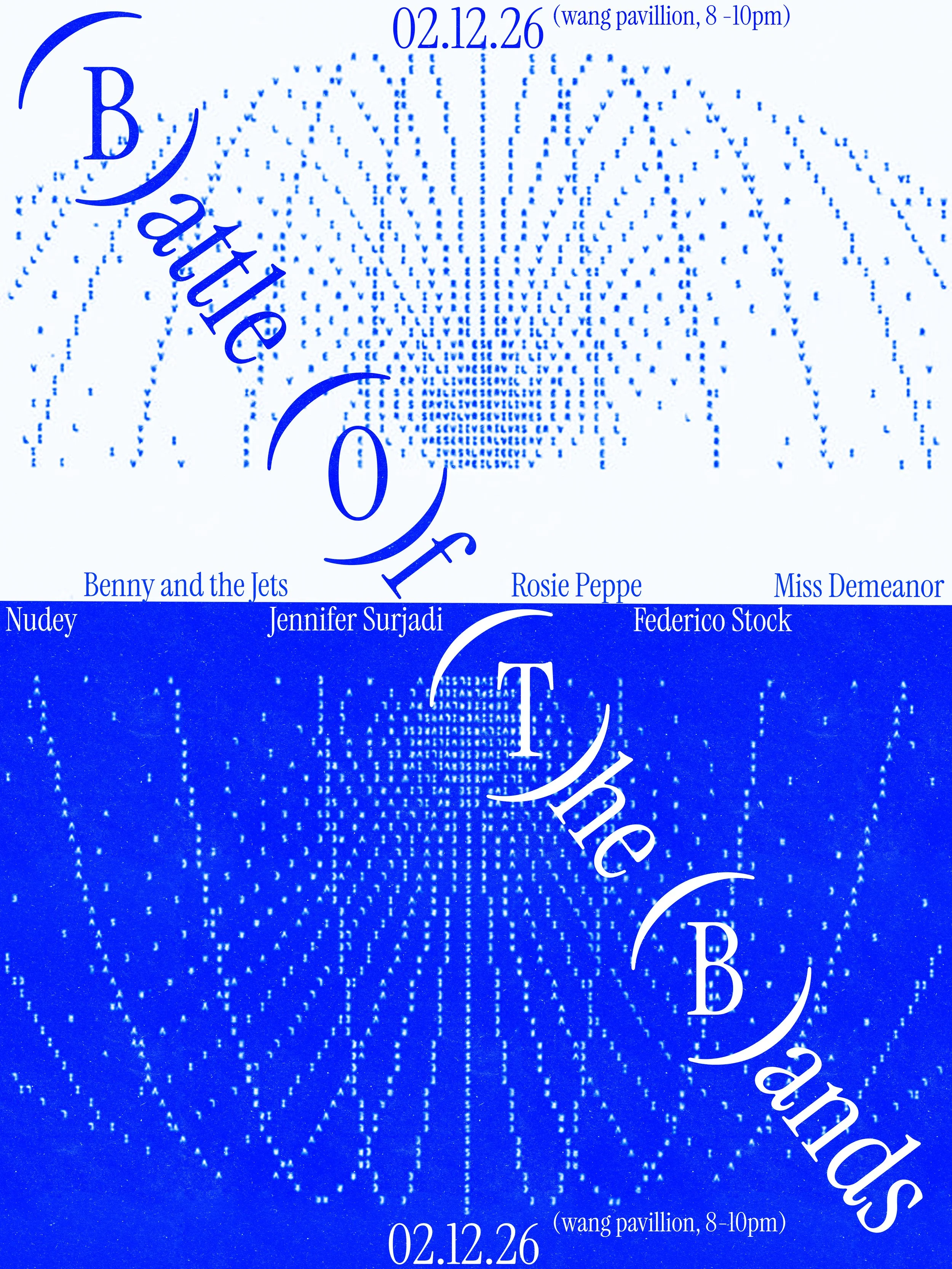
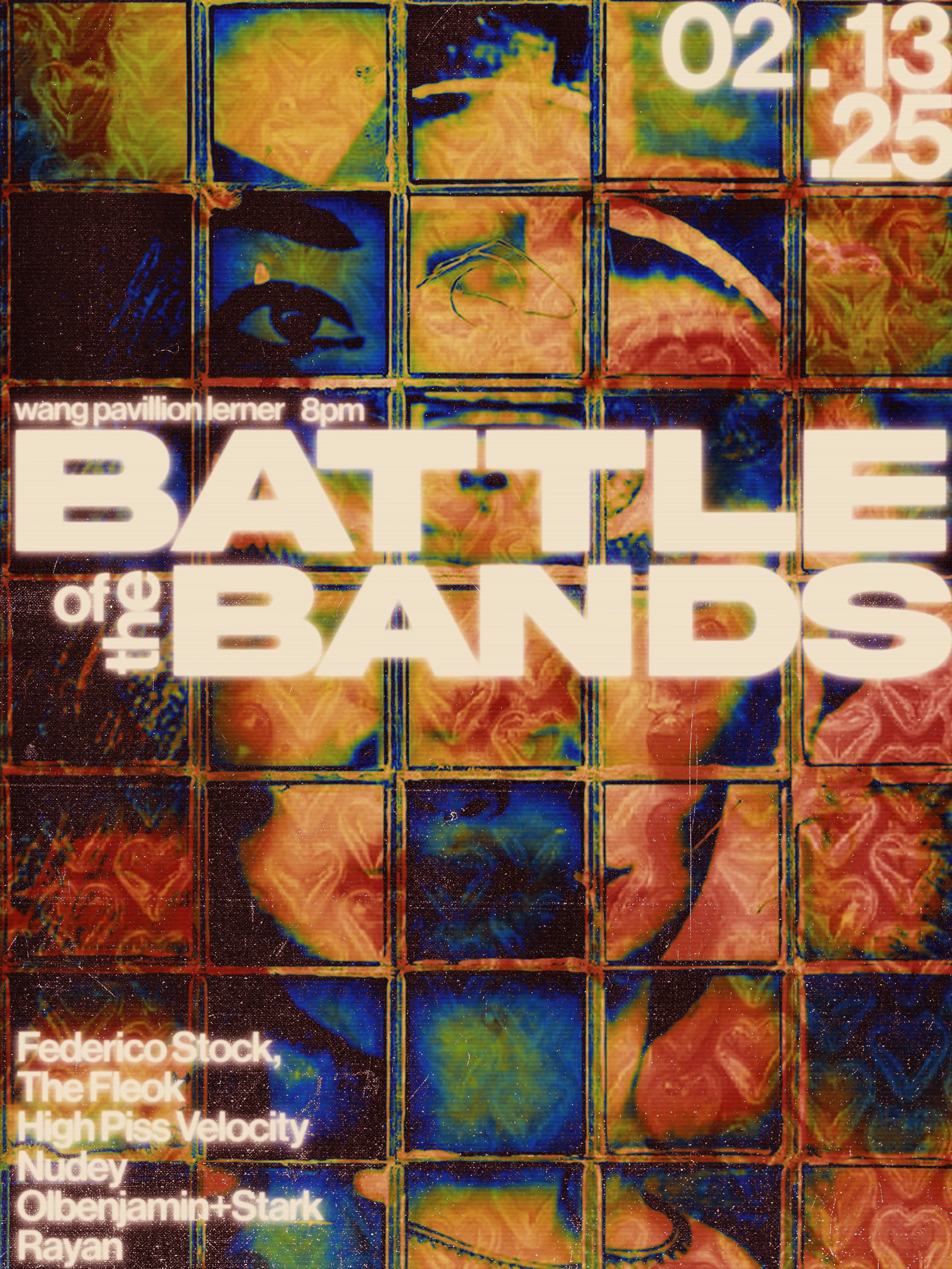
Jade’s designs blend playful, slightly chaotic and disorganized aesthetics with clear monochromatic fonts—inspired by David Carson’s anti-grid designs, the Bauhaus style colour palette, and anti-institutional collages of the Dada movement. This discrete layering of intricate designs makes for a fun scavenger hunt within Jade’s graphics. In a poster inspired by her Neo-dada class, there’s a hazy red outline of a person’s face beside an alphabet soup-like jumble of letters which spell out “Coffeehaus.” If you look very closely, you’ll find scores of John Cage’s music in the background.

Jade has impeccable taste. This is clear from the moment you enter her Watt dorm, where the wall by her bed is colored with rows of photography and art prints, a skill she picked up in boarding school. “This has been a tradition for me; having bare walls doesn’t feel like home. When my walls are decorated, I'm like, oh, this is my space.” Jade’s taste is clean and inspired by the artists and designs she studies as an art history major. Graphic design has given her a medium to channel these references into something tangible and accessible that people can view and interact with.
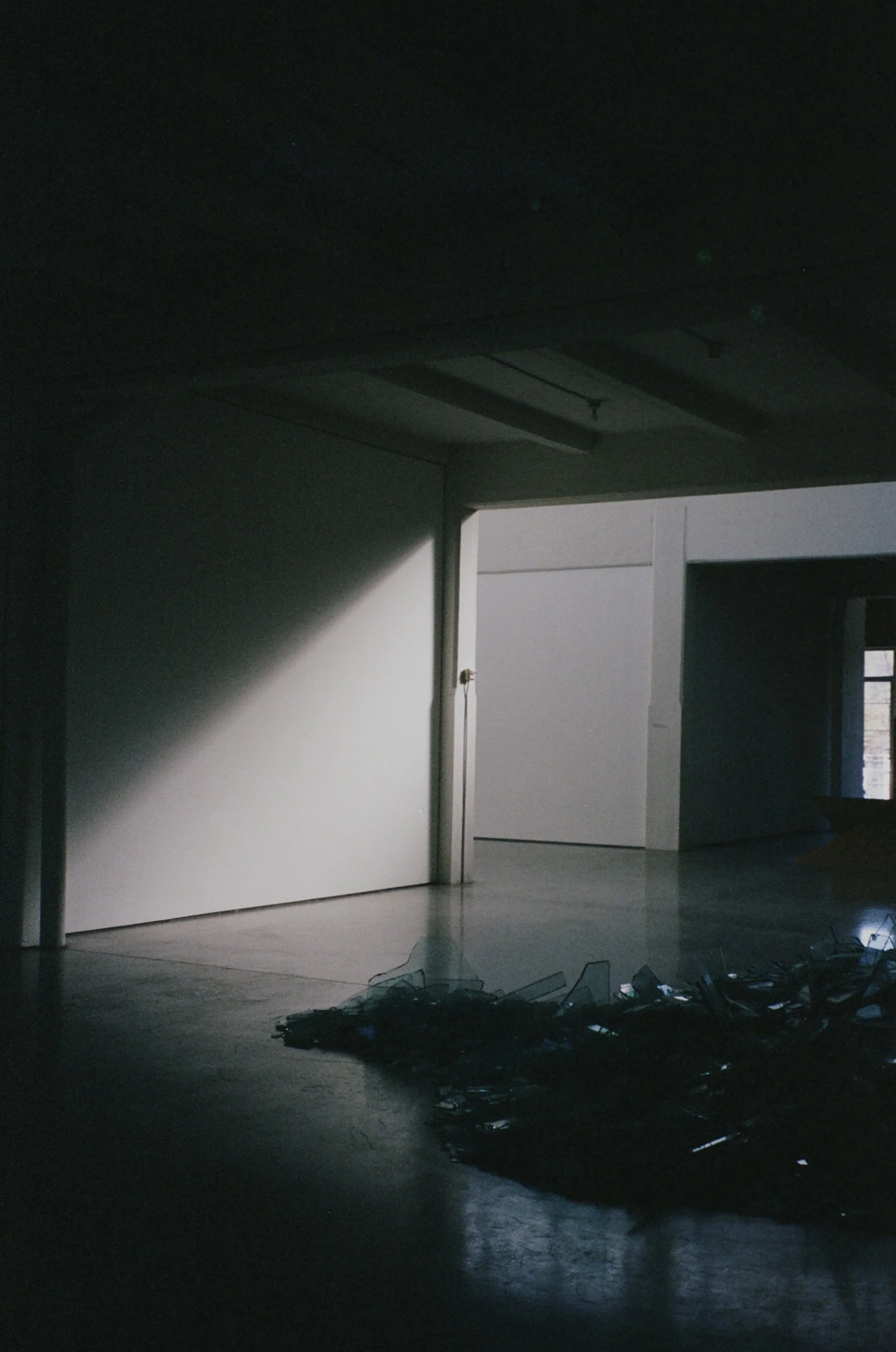
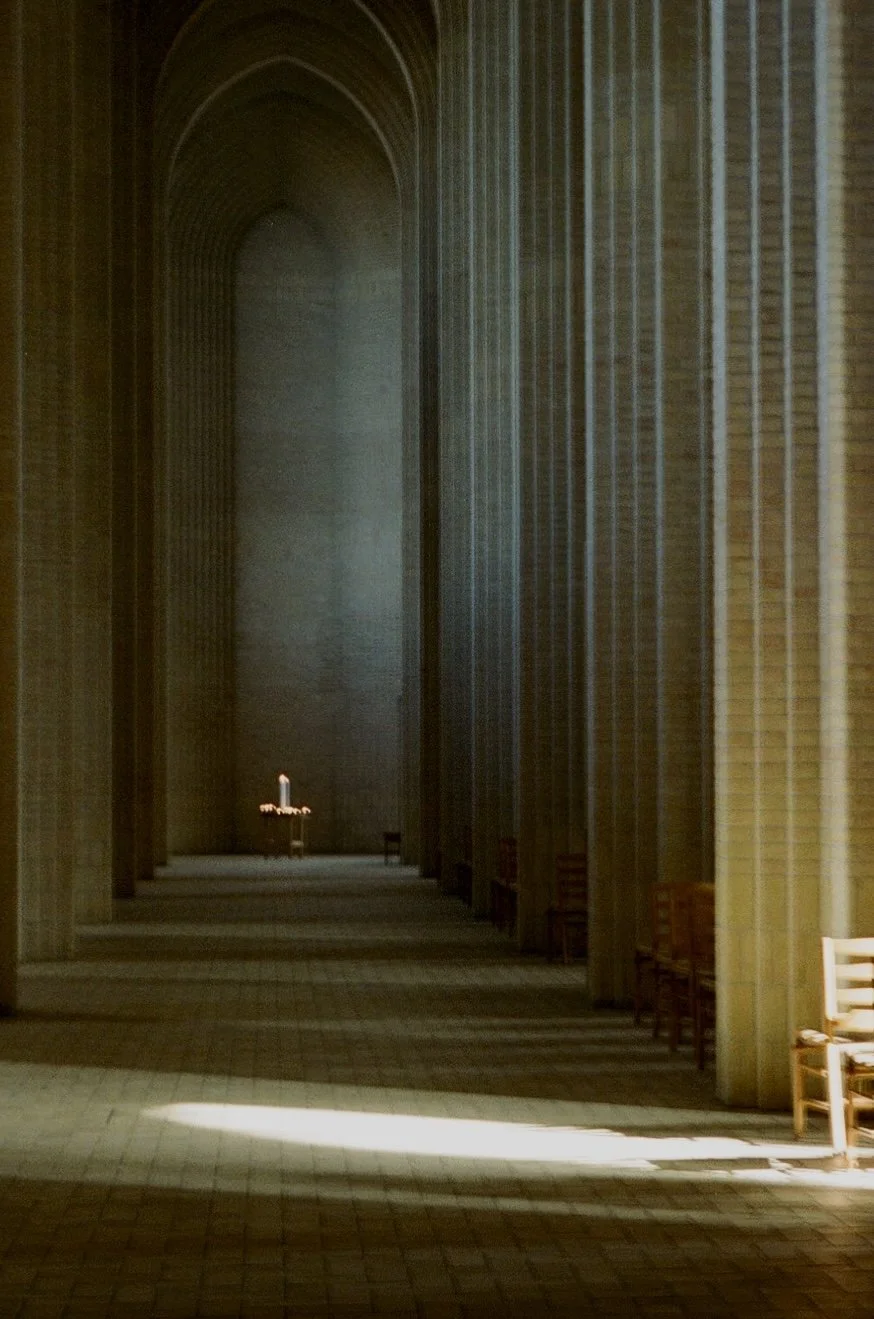
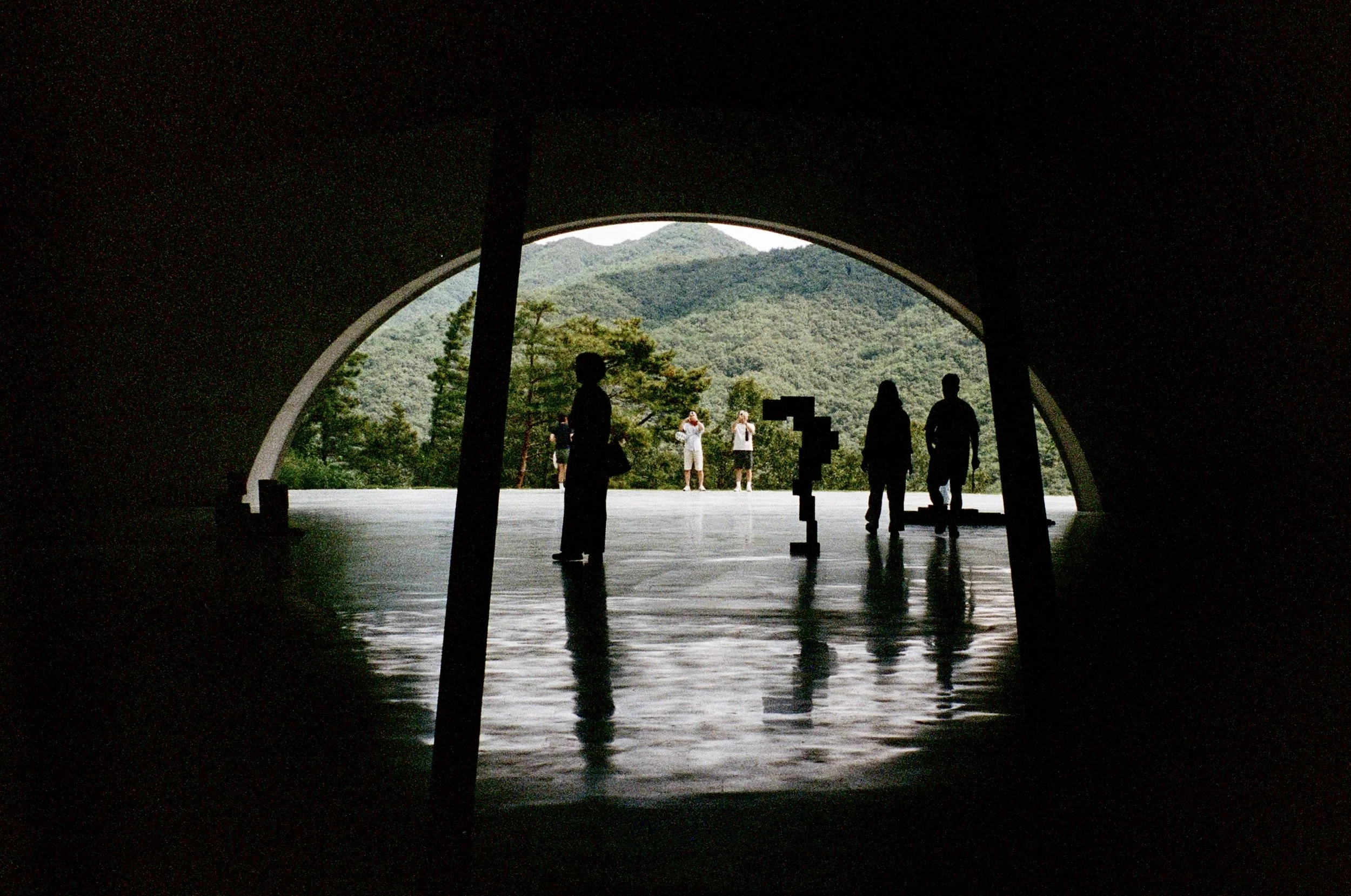
Before graphic design, Jade entered the world of art through photography. “My dad always had a camera on hand,” she explains. “I would steal it to take pictures.” At first, photography was just about capturing moments; her friends, family, the places she traveled to. Then, when Jade turned sixteen, she got her first point-and-shoot film camera and, with only a few photos she’d be able to expose, she started to practice intentionality. Jade’s compositional eye and taste for precision are marked in her photography. She takes her time to frame each shot, making sure to capture the exact moment a beam of light hits the edge of a wall or a shadow emerges.
Throughout her photography, Jade explores the interplay between shadow and light and how they transform space. “All my photography is very linear. I'm very meticulous about compositions, very clean lines, especially with shadows and light.” In a photo Jade took at the Dia Beacon museum, a diagonal line of light cuts across a blue, saturated picture of Robert Smithson’s Map of Broken Glass. Like a shard itself, it divides the room into a trapezoid of light framed by shadows.
Photography is about memory for Jade, like building an archive. Last semester, she took Intro to Darkroom and started taking more portraits of her friends. She told me she doesn’t like getting her picture taken, but she enjoys experimenting with photos that express who she is without portraying her physical form. Jade has been working on making a portrait of her senior year by sewing together pictures of “the good, bad, and very average” moments of her life into a quilt. She tells me she thinks about memory as remembering imperfectly. “You tend not to remember all the bad things, or all the mediocre things. All the good things really stand out. Making this project, I've been able to put together all these moments.”
Jade tells me that her photography is inspired by spaces and, for graphic design, she’s inspired by the art and literature she consumes. Jade’s space is an emblem of this creative process. Drying by her windowsill are her darkroom photos, the makings of her quilt. Her shelves and coffee table are stacked with art history books and novels.
A favorite of these art books is “The Medium is the Massage: An Inventory of Effects” by Marshall McLuhan. The book is designed by the graphic designer Quentin Fiore, whose black and white illustrations and collage-style images Jade admires. “I really like a good sans serif font,” she tells me, “black and white, monochrome, and really clear.”
Recently, Jade’s been reading a lot of critical theory by Gilles Deleuze for her thesis on Shigeko Kubota, a feminist artist largely obscured from art history. “Deleuze has this idea of becoming where human beings are not set for a fixed purpose. We're always in a state of evolving and becoming something different.” Jade has adopted this mindset this year. She says this mentality has been really useful in counteracting the senior year panic about everything changing so quickly. “It's really easy to get bogged down about things ending. Having the mindset that you're always growing and changing and that you’re just what you're meant to be and, because of that, you're becoming a better, different person is kind of a beautiful thing.”
This year's Bacchanal was truly a culmination of four years of Jade’s dedication to art and love for music. She tells me that what’s most rewarding about graphic design is that you get to build community and excitement. Getting to see so many Columbia students wearing the t-shirts and merch that she designed for Bacchanal really moved her and affirmed her desire to keep creating.
You can find more of Jade’s work on her instagram @ j4de4ever or her website, https://j4de4ever.framer.website/.